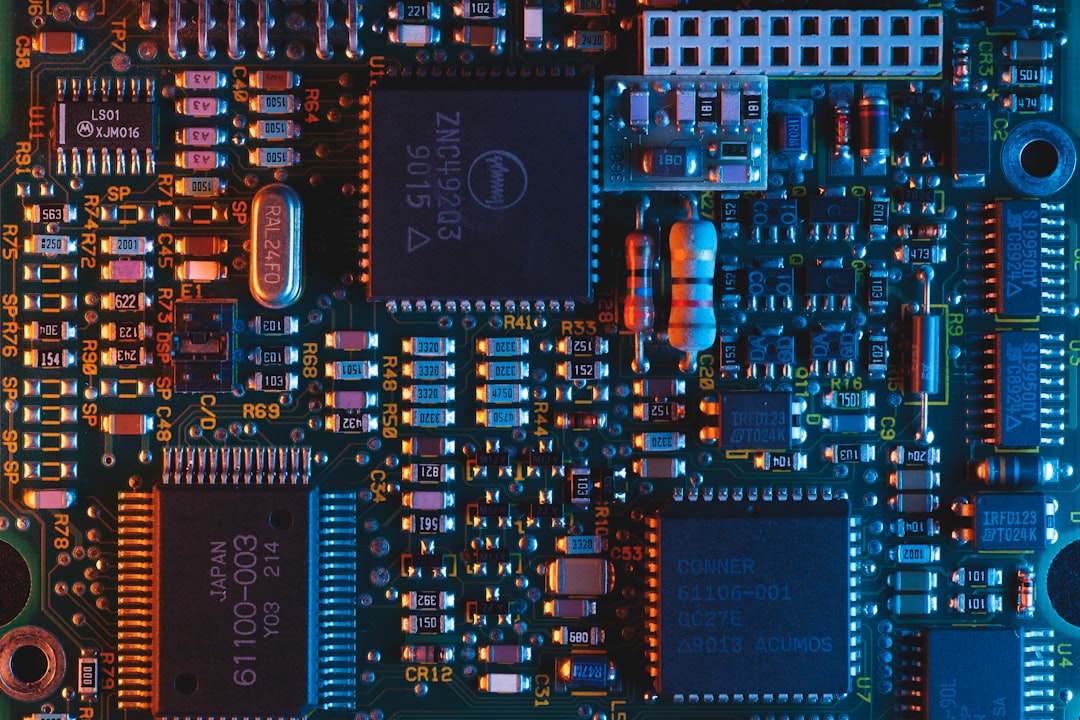
The 28 percent month-on-month surge in South Korea’s semiconductor inventories in January is not just a statistic. It is a weight pressing down on factory floors, on loan officers in Seoul, and on the government’s economic planners. When unsold chips pile up at the fastest rate in 27 years, the consequences ripple outward from the clean rooms of Samsung and SK Hynix into the broader economy.
Cash flow is the first casualty. Chipmakers are sitting on product they cannot sell. Factory shipments dropped 25.8 percent in January alone. That means fewer trucks leaving loading docks. Fewer orders for packaging materials. Less demand for logistics and transport. Each unsold wafer represents capital tied up in inventory rather than reinvested into new equipment or research. The longer stockpiles sit, the harder it becomes for companies to justify maintaining current production levels.
Production already fell 5.7 percent from December. That decline will likely accelerate. When factories run below capacity, the first hit falls on temporary workers and suppliers. South Korea’s semiconductor ecosystem is dense with small and medium-sized parts makers. They depend on steady orders from the big fabricators. A sustained production cut means those smaller firms face their own inventory gluts, their own cash crunches. Some will not survive.
The broader economic picture is grim. South Korea’s economy contracted in the final quarter of 2022. Export volumes are still declining into the current quarter. Chips account for roughly 12 percent of total exports. When that pillar weakens, the entire export-dependent model wobbles. The trade surplus, long a source of national pride and currency stability, narrows. The won comes under pressure. Imported energy and food become more expensive for everyone.
Job security in the manufacturing belt around Seoul and in the southern industrial cities is precarious. The semiconductor industry does not employ only engineers. It employs cleaners, cafeteria workers, security guards, bus drivers who shuttle shifts, and the people who build and maintain the factories. When investment stalls, those jobs evaporate quietly. There is no dramatic headline for a laid-off cafeteria worker. But the economic pain is real and cumulative.
What to watch next. The first signal will be capital expenditure announcements from the major chipmakers. If they slash planned spending on new fabrication plants, the message is clear: they expect weak demand to persist for years, not months. The second signal is government response. Seoul has tools. It can offer tax breaks, subsidize stockpiling, or push for state-led consolidation. But those moves carry their own risks. Subsidizing unsold inventory delays necessary adjustments. It can turn a cyclical downturn into a structural drag.
The global context offers no comfort. The post-pandemic demand boom for electronics has faded. Consumers in the United States and Europe are spending on services and travel, not new laptops and smartphones. The Chinese recovery has been slower than expected. Data centers are still buying chips, but not at the frantic pace of 2021. The semiconductor industry is caught between overcapacity built during the boom and demand that has not rebounded.
South Korea has weathered chip downturns before. The 2008 financial crisis and the 2015 slump were painful but temporary. This one feels different. The inventory growth rate is the fastest in 27 years. That is not a normal cyclical correction. It is a structural mismatch between what factories produce and what the world wants to buy. Fixing that mismatch will take time. In the meantime, the unsold chips will keep piling up. And the economy will keep paying the price.