The United States is grappling with an ongoing opioid epidemic, a public health crisis that has been described as one of the most devastating of our time. According to the Centers for Disease Control and Prevention (CDC), the epidemic originated from both medical prescriptions and illegal sources, and has unfolded in three distinct waves. As of January 28, 2023, the crisis continues to claim lives, with a staggering number of drug-overdose-related deaths reported in recent years.
The first wave of the opioid epidemic in the United States began in the late 1990s, when opioids were increasingly prescribed for pain management. This led to a rise in overall opioid use throughout subsequent years, laying the groundwork for the crisis that would follow. The CDC has tracked the epidemic’s progression, providing critical insights into the factors contributing to its spread. The initial wave was marked by a surge in prescription opioid use, which would eventually give way to a shift towards illicit substances.
The second wave of the epidemic was characterized by an expansion in the heroin market, as suppliers sought to meet the demand of individuals already addicted to opioids. This development marked a turning point in the crisis, as the focus shifted from prescription medications to illicit substances. The heroin market’s expansion was a response to the existing demand, rather than a cause of the epidemic itself. However, it contributed to the worsening of the crisis, as more individuals became entangled in a cycle of addiction.
The third wave of the opioid epidemic, which began in 2013, has been marked by a steep increase in synthetic opioid-involved deaths. The flooding of the US market with synthetic opioids has led to a significant rise in overdose deaths, with these substances often being laced into other drugs or sold as counterfeit prescription medications. The synthetic opioid crisis has added a new layer of complexity to the epidemic, as law enforcement and public health officials struggle to keep pace with the rapidly evolving landscape of illicit substances.
Drug Overdose Deaths
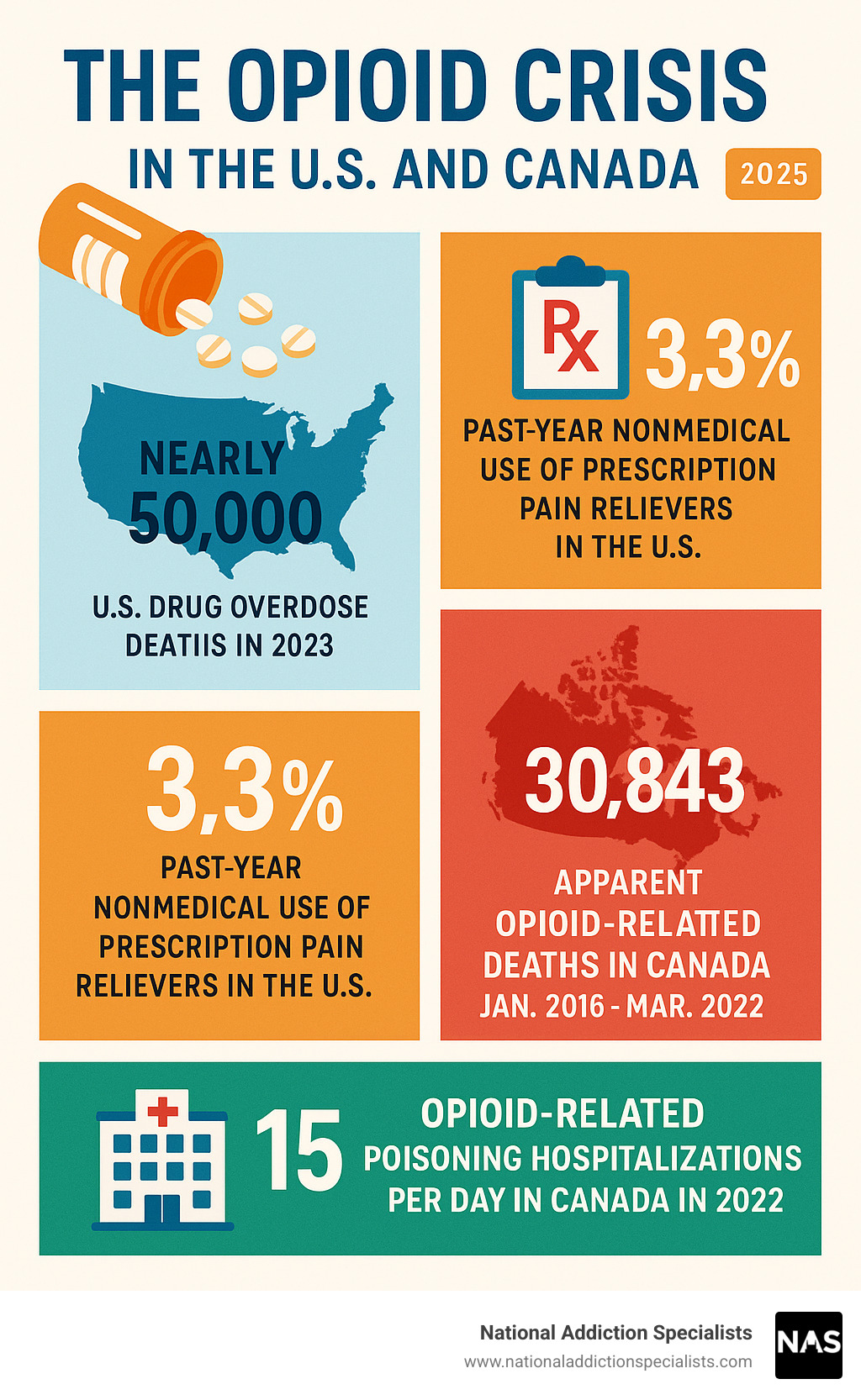
According to available data, there were approximately 109,600 drug-overdose-related deaths in the 12-month period ending January 31, 2023. This translates to a rate of 300 deaths per day, a stark reminder of the epidemic’s devastating toll. From 1999 to 2020, nearly 841,000 people died from drug overdoses, with prescription and illicit opioids responsible for 500,000 of those deaths. The year 2017 saw 70,237 drug overdose deaths, with 47,600 of those attributed to opioid use. These numbers underscore the urgency of the crisis and the need for continued action to address the root causes of the epidemic.
As the United States moves forward in its efforts to combat the opioid epidemic, it is essential to recognize the complexity of the crisis and the need for a multifaceted approach. This includes improving access to treatment and recovery services, enhancing public education and awareness, and supporting law enforcement efforts to disrupt the supply of illicit substances. As of January 28, 2023, the path forward remains uncertain, but one thing is clear: the opioid epidemic will require sustained attention and effort to mitigate its effects and ultimately bring an end to this public health catastrophe. In the coming months and years, it will be crucial to monitor the epidemic’s progression, track the effectiveness of existing interventions, and adapt strategies as needed to address the evolving landscape of the crisis.