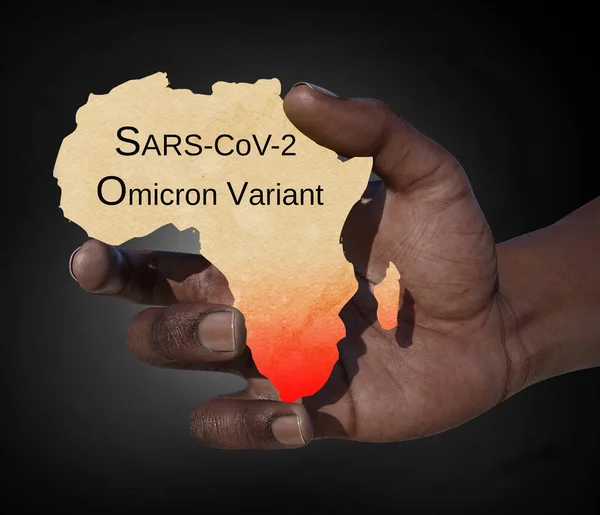
The SARS-CoV-2 Omicron variant, first reported to the World Health Organization (WHO) by the Network for Genomics Surveillance in South Africa on 24 November 2021, has become the predominant variant in circulation around the world. Initially detected in Botswana, Omicron has undergone significant mutations, resulting in several subvariants, including BA.1, BA.2, BA.3, BA.4, and BA.5. As of October 2022, two subvariants of BA.5, called BQ.1 and BQ.1.1, have emerged, further complicating the global health landscape.
The Omicron variant has demonstrated a remarkable ability to spread and adapt, with its subvariants exhibiting increased transmissibility. The BA.4 and BA.5 variants, in particular, have shown a higher infectiousness compared to previous variants, even among individuals who have received three doses of a COVID-19 vaccine. However, it is essential to note that three doses of the vaccine still provide protection against severe disease and hospitalization caused by Omicron and its subvariants.
The emergence of Omicron and its subvariants has significant implications for global health strategies. As the variant continues to evolve, it is crucial to monitor its spread and adapt public health measures accordingly. The development of new subvariants, such as BQ.1 and BQ.1.1, underscores the need for ongoing genomic surveillance and rigorous testing to track the variant’s evolution.
Global Spread and Dominance
Omicron’s rapid spread has led to its dominance in global circulation, with the variant and its subvariants now present in countries worldwide. The ability of Omicron to outcompete other variants has raised concerns about its potential impact on healthcare systems and vulnerable populations. As the variant continues to evolve, it is likely that new subvariants will emerge, potentially altering the epidemiological landscape.
Despite the challenges posed by Omicron, the availability of effective COVID-19 vaccines has been a crucial factor in mitigating its impact. The protection afforded by three doses of the vaccine against severe disease and hospitalization has been a vital component of global health strategies. As the variant continues to evolve, it is essential to maintain high vaccination rates and adapt vaccine formulations to address emerging subvariants.
As we move forward, it is essential to remain vigilant and continue monitoring the spread of Omicron and its subvariants. The emergence of new subvariants, such as BQ.1 and BQ.1.1, serves as a reminder that the COVID-19 pandemic is ongoing, and ongoing efforts are necessary to protect public health. In the coming months, it will be crucial to watch for further developments in the evolution of Omicron and its subvariants, as well as the effectiveness of global health strategies in responding to this rapidly changing landscape.