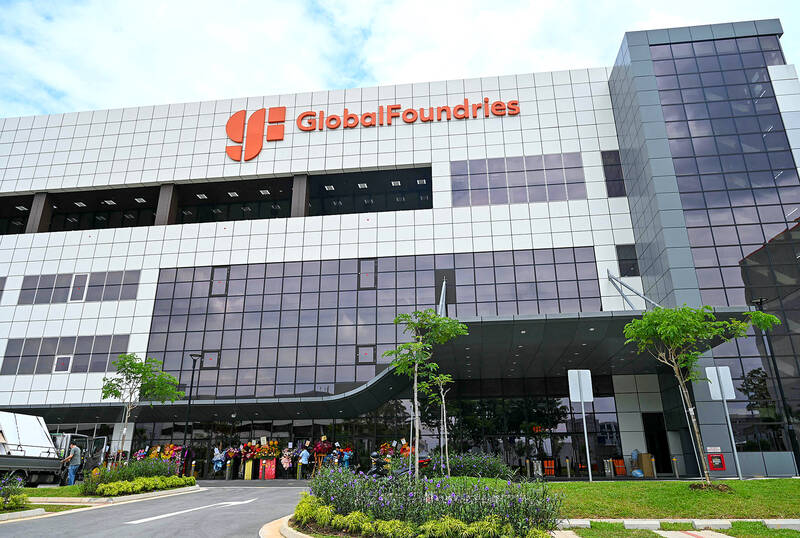
GlobalFoundries Inc announced on June 22, 2021, a US$6 billion plan to expand chip manufacturing capacity in Singapore, Germany, and the United States, responding to a global semiconductor shortage that has hit automakers and electronics companies. The US-based company, owned by Abu Dhabi’s Mubadala Investment Fund, will invest more than US$4 billion in a new Singapore factory expected to start production in early 2023, with additional US$1 billion each allocated for facilities in Dresden, Germany, and the United States. The expansion aims to address supply chain bottlenecks affecting industries from cars to smartphones.
The Singapore investment
GlobalFoundries will build a new chip fabrication plant in Singapore, its largest single investment in the city-state. The facility will increase the company’s annual production capacity by 450,000 wafers, bringing its total campus output to 1.5 million wafers per year. The plant will focus on producing chips for automotive applications and 5G technology under long-term contracts with existing clients.
“The US$4 billion investment in Singapore is the first of our plans to expand gradually over the next 5 to 10 years,” said GlobalFoundries CEO Thomas Caulfield. He did not disclose the total long-term spending figure. The company expects to begin production at the new facility in early 2023, with most of the cumulative output operational by the end of that year. The plant will create approximately 1,000 jobs in Singapore.
Singapore has long courted foreign investment in its semiconductor industry, which accounts for about 7% of the economy. The city-state aims to grow its manufacturing sector by 50% over the next decade to remain competitive. In the first four months of 2021, electronic product output rose 21.7% year-on-year, driven by pandemic-era demand.
Global expansion and the chip shortage
The chip shortage began in late 2020, partly because automakers misjudged semiconductor demand during the pandemic. Work-from-home policies boosted sales of computers and other gadgets, leading electronics manufacturers to order more chips than usual. The imbalance has affected production of everything from cars to smartphones.
GlobalFoundries joins rivals TSMC and Samsung Electronics in ramping up capacity. In March 2021, Intel announced a US$20 billion plan to expand its advanced chip manufacturing capabilities. TSMC followed in April with a US$100 billion investment pledge over three years. The US government also intervened, approving US$54 billion in funding earlier in June to promote semiconductor manufacturing and research domestically.
“The chip shortage will continue into next year,” warned Intel CEO Pat Gelsinger in a public statement in April 2021. Governments including the United States and Japan have demanded faster delivery from chipmakers, pushing for greater supply chain resilience.
US and Germany investments
GlobalFoundries will spend US$1 billion each on facilities in Dresden, Germany, and the United States, partnering with local governments. The US investment aligns with the Biden administration’s push to strengthen domestic semiconductor production. The company previously pledged to expand in Europe and the United States alongside its Singapore operations.
The Dresden facility will serve European automakers and industrial clients. The US plant will focus on defense and telecommunications applications. Both sites are expected to begin production within 18 to 24 months after breaking ground, consistent with industry timelines for chip fabrication plants.
Industry context and future outlook
Major chipmakers have warned that the shortage will persist into 2022. GlobalFoundries’ expansion is part of a broader industry response to structural demand shifts. The company’s Singapore plant will produce chips under long-term contracts, locking in customers before construction completes.
“The semiconductor industry is vital to the global economy, and we are investing to meet long-term demand,” said Caulfield. The company’s strategy mirrors moves by TSMC and Samsung, which are also building new factories in the US and Europe.
The US$54 billion federal funding package, approved by Congress earlier in June, aims to boost domestic chip manufacturing and research. Critics note that the Biden administration’s policies have sometimes conflicted with industry needs, but the funding represents a bipartisan effort to address supply chain vulnerabilities.
The chip shortage has exposed the fragility of global supply chains. GlobalFoundries’ US$6 billion plan is a bet that demand for semiconductors will remain strong for years. The company’s investments in Singapore, Germany, and the US will add capacity by 2023, but the full impact on the shortage will take time to materialize. For now, automakers and electronics firms continue to scramble for chips, and the race to build new factories is just beginning.