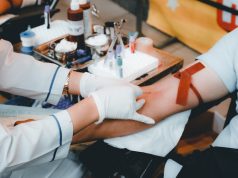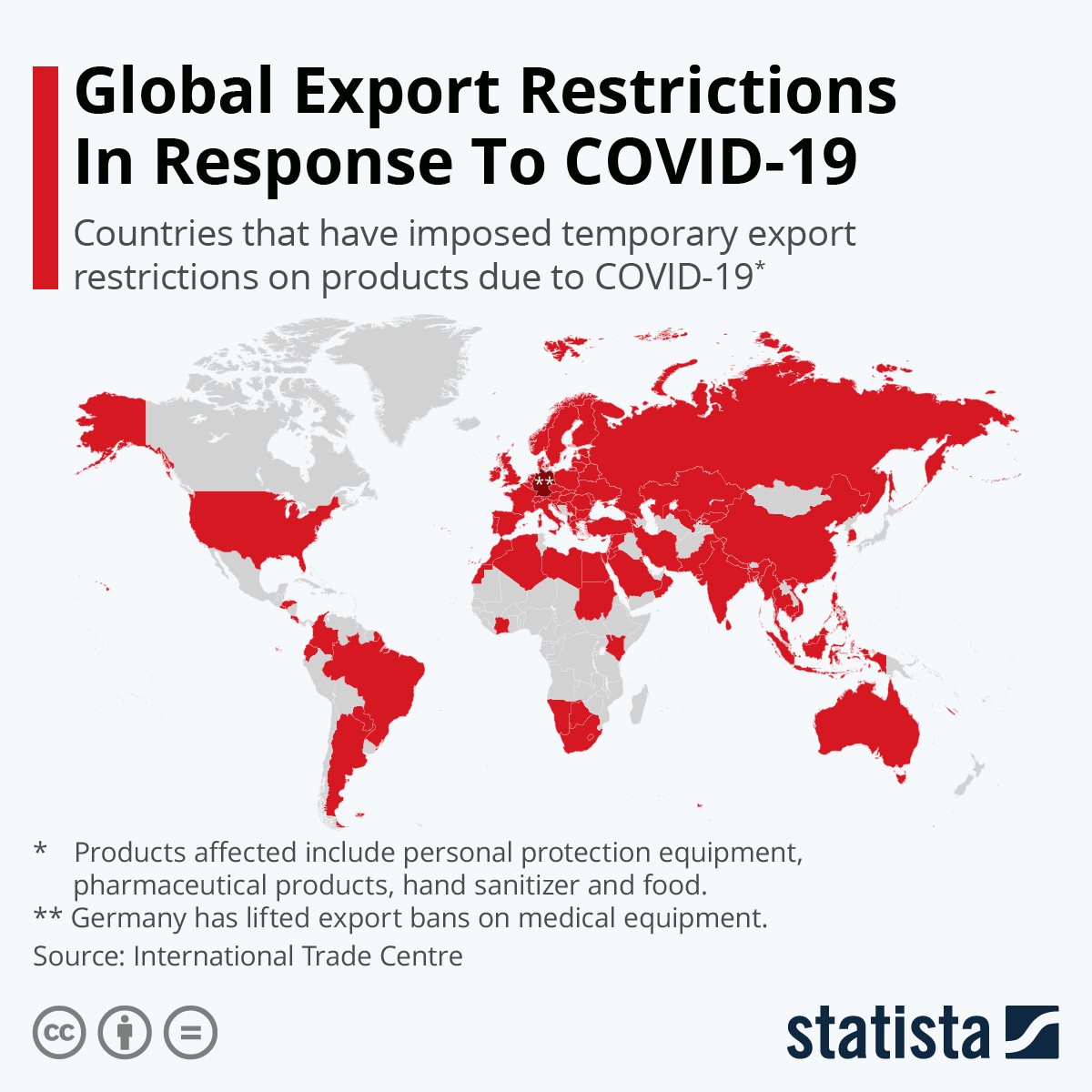
On April 6, 2020, several countries imposed export bans on medical supplies, including face masks, thermometers, and protective gear, in an effort to ensure domestic stability amidst the COVID-19 pandemic, which originated in Wuhan, China, and has spread globally since January 2020, prompting widespread criticism that these restrictions would leave many countries vulnerable to the virus.
the global response to covid-19
The COVID-19 pandemic has led to a global shortage of medical supplies, with countries that produce these essential items imposing export restrictions to prioritize domestic needs. According to Simon Evenett, a British economist, “Export bans on masks, for example, erode the capability of trading partners to cope with the spread of the coronavirus. Rather than beggar-thy-neighbour, this amounts to sicken-thy-neighbour.” This move has been seen as a drastic measure that could exacerbate the pandemic, rather than contain it. Many governments have resorted to export restrictions, ordering the distribution of products within their respective states, making these in-demand items unavailable to foreign buyers.
impact on global trade
The export bans have had a significant impact on global trade, with many countries struggling to access the medical supplies they need to combat the pandemic. Since January 2020, Asian countries like Taiwan and South Korea have ordered bans on exports of desperately needed gear to protect frontliners worldwide. American buyers of Chinese medical supplies have also reported that the bulk of their orders were cancelled when the coronavirus began to spread. European customers have complained about “Made in China” test kits and personal protective equipment, citing poor quality and accuracy. The Chinese government has responded by banning all local companies manufacturing test kits, masks, gloves, lab gowns, and other gear from exporting without the necessary government certifications.
international criticism and concerns
The export bans have prompted international criticism, with many experts warning that these restrictions could worsen the pandemic. German, French, and Romanian authorities have also reportedly stopped the delivery of millions of masks and ventilators to foreign countries. Simon Evenett explained that “Given the centrality of China to many international supply chains, there is considerable interest in the impact of COVID-19 on global trade flows. And a troubling trade policy dimension is now coming to light.” He added that while it is every government’s political right to control exports, it is also necessary for them to ensure that the production of critical medical supplies is stimulated globally, especially during a global crisis. The World Health Organization (WHO) has also expressed concerns about the export bans, warning that they could lead to a shortage of medical supplies in countries that need them most.
the need for international cooperation
The COVID-19 pandemic has highlighted the need for international cooperation and coordination in responding to global health crises. The export bans on medical supplies have shown that countries are willing to prioritize their domestic needs over international cooperation, which could have devastating consequences. As the pandemic continues to spread, it is essential that countries work together to ensure that medical supplies are distributed fairly and efficiently. The WHO has called for international cooperation to combat the pandemic, and countries must put aside their differences to work towards a common goal. According to Dr. Tedros Adhanom Ghebreyesus, Director-General of the WHO, “The COVID-19 pandemic is a global health crisis that requires a global response. We must work together to ensure that all countries have access to the medical supplies they need to combat the pandemic.”
The COVID-19 pandemic has exposed the weaknesses of global supply chains and the need for international cooperation in responding to health crises. The export bans on medical supplies have had a significant impact on global trade and have left many countries vulnerable to the virus. As the pandemic continues to spread, it is essential that countries work together to ensure that medical supplies are distributed fairly and efficiently. The international community must come together to combat the pandemic and ensure that all countries have access to the medical supplies they need to protect their citizens.