National Security Threat Defines New Emergency Status
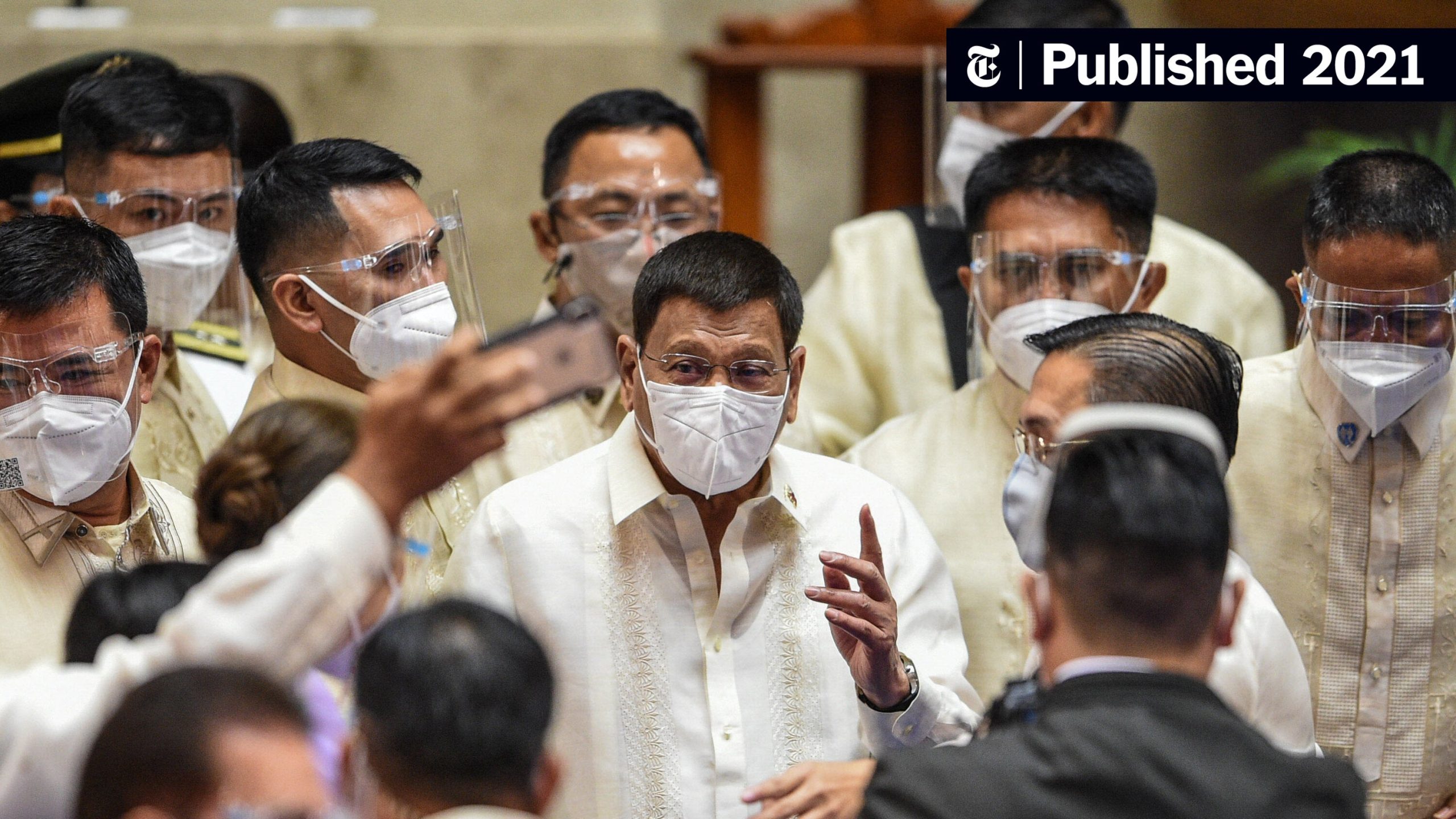
President Rodrigo Duterte of the Philippines declared a state of public health emergency on Monday, March 9, 2020. The proclamation came as the novel coronavirus known as COVID-19 began spreading through the capital city of Manila and surrounding municipalities. This official designation was issued because the outbreak constituted an emergency that threatened national security and required a whole-of-government response. At the time of the announcement, health authorities had confirmed 20 infected individuals in the country. By Wednesday morning of that same week, the total number of confirmed cases had risen to 33 after 13 additional patients were identified. The shift in status allowed for immediate financial assistance to local governments and streamlined regulations for procuring essential medical supplies such as testing kits, masks, and protective gear.
Financial Aid and Supply Chain Adjustments
The declaration of a public health emergency provided the legal framework necessary to release funds directly to local government units. These resources were intended to help officials efficiently manage the widening scope of the virus within their jurisdictions. Under normal circumstances, procuring large quantities of medical equipment often involves complex bureaucratic processes. The new status eased these rules, allowing for faster acquisition of necessary health resources. This speed was critical as demand for protective items surged.
The Department of Trade and Industry acted quickly to stabilize market prices following the declaration. Officials immediately implemented price control measures on protective masks to prevent hoarding and ensure affordability for citizens in need. The department recognized that a sudden spike in demand could lead to artificial shortages or price gouging by unscrupulous vendors. By intervening at this stage, the government aimed to maintain social order while ensuring that vulnerable populations could access basic protection. This move signaled a shift from standard market operations to emergency management protocols where supply chain efficiency became a matter of public safety.
Widespread Cancellation of Public Gatherings
In a concerted effort to contain the spread of the virus, authorities ordered the cancellation of numerous public events across the archipelago. The list of affected activities included conferences, sporting events, and various cultural festivals. Organizers were instructed to halt these gatherings immediately to reduce person-to-person transmission risks. Large crowds in enclosed or semi-enclosed spaces represented significant vectors for viral spread. By canceling these events, the government sought to break chains of infection before they could become unmanageable outbreaks within communities.
Schools and educational institutions faced similar restrictions. Classes in all levels across Metro Manila were suspended from March 10 to March 14. Other cities and towns followed suit during that same week. The suspension allowed time for thorough disinfection of classrooms and other learning environments. Educators and administrators used this window to clean surfaces and ensure ventilation systems were functioning properly. Lawmakers subsequently urged the Department of Education to postpone graduation rites scheduled for that month. These ceremonies typically involve large assemblies of students, families, and faculty members. Postponing them was deemed necessary to prevent possible transmission during high-density gatherings.
Potential Escalation to Lockdown Measures
Government officials warned that stricter measures might be required if the situation continued to escalate. The Philippine government stated it was considering implementing a lockdown at the municipal, city, or provincial level. Such a measure would involve suspending work and restricting movement within specific geographic areas. This option remained on the table as health authorities monitored infection rates and hospital capacity. The decision to impose a lockdown would depend on data trends regarding new cases and the effectiveness of current containment strategies.
The declaration set the stage for a rapid evolution in policy responses. Officials needed to balance economic stability with public health protection. Shutting down entire regions carries significant economic costs, particularly for small businesses dependent on daily foot traffic. However, allowing unchecked viral spread could overwhelm healthcare systems and lead to higher mortality rates. The government aimed to find the optimal point where restrictions were severe enough to control transmission but not so harsh as to cause unnecessary hardship.
Community cooperation became essential under these new conditions. Residents needed to adhere to guidelines regarding social distancing and hygiene practices. Public health campaigns emphasized the importance of washing hands frequently and avoiding touching the face. The government relied on public compliance to make containment efforts effective. Without widespread adherence to safety protocols, even the most restrictive lockdowns would fail to stop the virus.
The situation remained fluid as new information emerged daily. Health officials continued to track cases and adjust recommendations accordingly. The declaration of a state of public health emergency marked a turning point in how the nation approached the pandemic. It shifted the focus from preparedness to active management of an unfolding crisis. As the number of cases grew, the need for coordinated action became increasingly apparent. The government moved forward with caution, ready to implement further measures if necessary to protect its citizens.