Operational continuity maintained at Batangas facilities despite volcanic activity
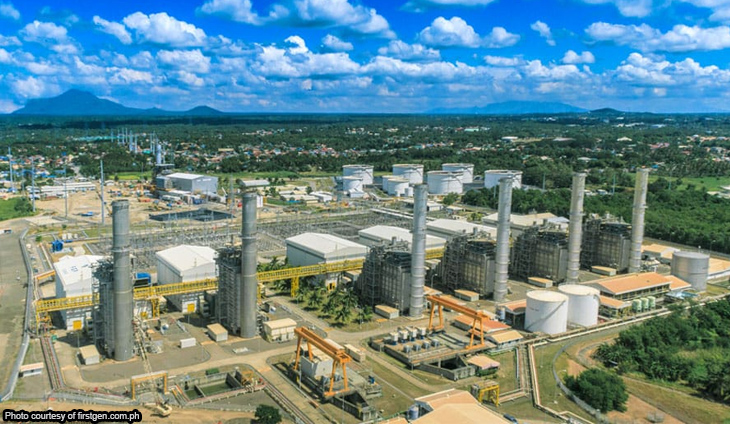
First Gen Corporation confirmed on January 14, 2020, that its four natural gas-fired power plants located in the province of Batangas, Philippines, remained fully operational following the eruption of Taal Volcano. The volcano, situated within the same province, had begun emitting significant amounts of ash and smoke shortly before the announcement. While the utility maintained its commitment to delivering electricity to the grid, it issued a specific warning regarding the potential for ash accumulation to damage critical gas turbine components. This situation required careful monitoring by the power generator as it balanced the need for continuous energy supply against the physical hazards posed by the ongoing volcanic event.
Infrastructure risks associated with volcanic ashfall
The primary concern expressed by First Gen Corp centered on the physical integrity of its generation assets. Continuous ashfall presents a unique set of engineering challenges for gas turbines, which rely on precise airflow and delicate internal components to function efficiently. The company noted that under such conditions, the gas turbines could potentially suffer damage from the relentless deposition of volcanic material. This accumulation could restrict airflow or introduce abrasive particles into the turbine blades, subsequently affecting the ability to deliver power at full capacity.
The hazard is not merely cosmetic; it poses a direct threat to the operational reliability of the plants. Ash can clog filters, coat heat exchangers, and compromise the combustion process if not managed correctly. First Gen emphasized that while they were prepared to operate, the environment was hazardous. The company stated that any decision to curtail operations would be strictly based on safety considerations and good utility practice. This cautious approach ensured that the risk of catastrophic equipment failure or injury to personnel did not outweigh the benefits of maintaining full output.
Strategic coordination with national grid authorities
To navigate this complex operational environment, First Gen engaged in close coordination with key energy-related organizations. These partners included the National Grid Corporation of the Philippines and the Manila Electric Company. Such collaboration is essential for maintaining grid stability when individual generation sources face external disruptions. The utility also indicated that it was set to tap the Department of Energy should any curtailment become necessary.
This level of communication allows for real-time adjustments to power dispatch schedules. If one plant faces reduced capacity due to volcanic activity, other generators can be brought online or existing loads can be managed to prevent blackouts. The involvement of the National Grid Corporation of the Philippines is particularly important as they manage the transmission system that connects all generation sources to consumers. By working together, these entities ensure that the overall electricity demand continues to be met even when specific supply points face challenges from natural disasters.
Regulatory oversight and safety protocols
The Department of Energy is the regulatory body overseeing energy production in the Philippines. In times of crisis, such as a volcanic eruption, the department plays a important role in authorizing or mandating operational changes. First Gen stated that any possible decision to curtail its Batangas power plant operations would be based on safety and good utility practice considerations. This implies adherence to established industry standards that prioritize the protection of workers and equipment over economic output when hazards are present.
Regulatory oversight ensures that decisions regarding power generation during emergencies are transparent and justified. The department can intervene if a private utility determines that continued operation poses an unacceptable risk. This framework provides a safety net for both the utility company and the public it serves. It also prevents situations where a single entity might make a unilateral decision that could destabilize the national grid or endanger lives.
Corporate context and market position
First Gen, a subsidiary of the Lopez Group, remains to be the largest producer of natural gas-fired power in the Philippines. This status places significant responsibility on the company to ensure reliable service even during adverse events. The Lopez Group is one of the most prominent business families in the country, with interests spanning various sectors including manufacturing and real estate. Its involvement in the energy sector highlights the critical nature of electricity generation for the national economy.
The decision to keep the plants running despite the eruption reflects a commitment to service continuity. However, it also show the vulnerability of infrastructure located near active geological features. The proximity of the power plants to Taal Volcano creates an inherent risk that must be managed through constant vigilance and rapid response capabilities. The company’s ability to operate under these conditions demonstrates its resilience but also highlights the delicate balance between economic necessity and environmental safety.
The situation is a reminder of how natural phenomena can impact critical infrastructure. While First Gen succeeded in maintaining operations, the potential for damage remains a persistent threat. Continuous monitoring and readiness to scale back operations are necessary components of managing risk in such environments. The collaboration with national agencies further strengthens the capacity to respond effectively to evolving conditions on the ground.