The Philippines Securities and Exchange Commission Revokes Robocash License Following Unauthorized Expansion
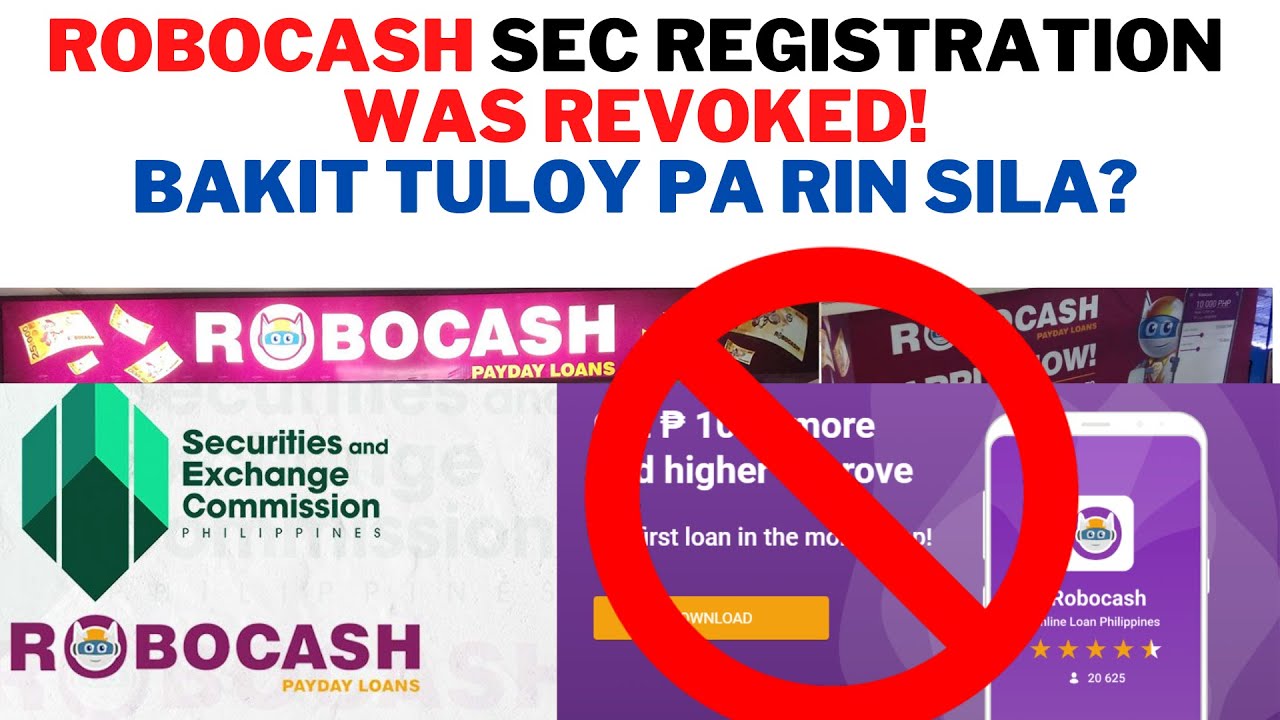
The Securities and Exchange Commission of the Philippines revoked the operating license of Robocash Finance Corporation on December 23, 2019. This regulatory action followed an investigation into the Russian-based financing firm for establishing and operating multiple branches without the required legal authorizations from Philippine authorities. The revocation stems from a direct violation of the Financing Company Act of 1998, which mandates that all lending institutions must secure specific certifications before opening physical locations or conducting business operations within the country.
A History of Rapid Expansion and Regulatory Pushback
Robocash entered the Philippine market in 2017 as a subsidiary of a Russian financing company with significant international reach. Upon its launch, the firm draw attention for its streamlined loan application process and user-friendly digital interface, which appealed to a growing segment of consumers seeking quick financial assistance. The company successfully established a network of branches across various regions in the Southeast Asian nation, building a customer base that relied on its accessible lending products.
However, this rapid growth masked a critical failure in compliance with local laws. While Robocash secured authorization for approximately 32 branches through official channels, the corporation proceeded to open additional locations without obtaining the necessary permits. This unauthorized expansion continued unchecked until regulators intervened. The Securities and Exchange Commission noted that the firm had operated these unapproved branches despite being fully aware of the legal requirements governing its operations.
Corporate Admissions and Regulatory Rebuttals
During the investigation, Robocash acknowledged that it had operated several branches without valid certifications. The company attempted to mitigate the severity of the situation by claiming that its actions were not driven by malicious intent. Officials from the corporation argued that they did not intend to violate the law but rather faced logistical challenges in securing all necessary approvals simultaneously during their aggressive expansion phase.
The Securities and Exchange Commission firmly dismissed these defenses as lacking merit. The regulatory body emphasized that ignorance of the law does not excuse non-compliance, particularly when a company has demonstrated knowledge of the requirements through its authorized operations elsewhere. According to the SEC’s Corporate Governance and Finance department, the microlending firm “knowingly and willingly committed repeated violations thereof.” This statement show the deliberate nature of the infractions and highlighted the discrepancy between the firm’s admitted awareness of regulations and its actual operational practices.
Legal Framework and Enforcement Actions
Under Philippine law, the Securities and Exchange Commission possesses the authority to suspend or revoke the license of any financing company that fails to adhere to statutory requirements. The process typically involves providing proper notice to the offending entity and conducting a formal hearing before taking final action. This framework ensures that corporations are given an opportunity to address their violations while maintaining strict oversight over the financial sector.
To date, the SEC has terminated a total of 2,081 lending and financing firms as part of its broader crackdown on unlawful corporate activities. These terminations reflect the commission’s commitment to upholding regulatory standards and protecting consumers from potential risks associated with unlicensed financial institutions. The revocation of Robocash’s license is another example of the commission’s willingness to enforce compliance rigorously, even against foreign entities with significant market presence.
Implications for the Financial Sector
The decision to revoke Robocash’s license sends a clear message to other financial institutions operating in the Philippines regarding the importance of adhering to local regulations. The case highlights the risks associated with unchecked expansion and the consequences of disregarding legal requirements. For foreign companies entering the Philippine market, the incident reinforces the necessity of securing all necessary approvals before commencing operations.
Regulatory bodies continue to monitor the activities of lending firms closely, ensuring that they operate within the bounds of the law. The termination of Robocash’s license also is a reminder to consumers of the importance of verifying the legitimacy of financial institutions before engaging in transactions. As the financial landscape evolves, maintaining strict regulatory oversight remains essential for building trust and stability within the sector.
The revocation marks a significant moment in the ongoing efforts to clean up the Philippine financial industry. By taking decisive action against non-compliant entities, the Securities and Exchange Commission demonstrates its dedication to protecting the interests of Filipino consumers and preserving the integrity of the nation’s banking system.