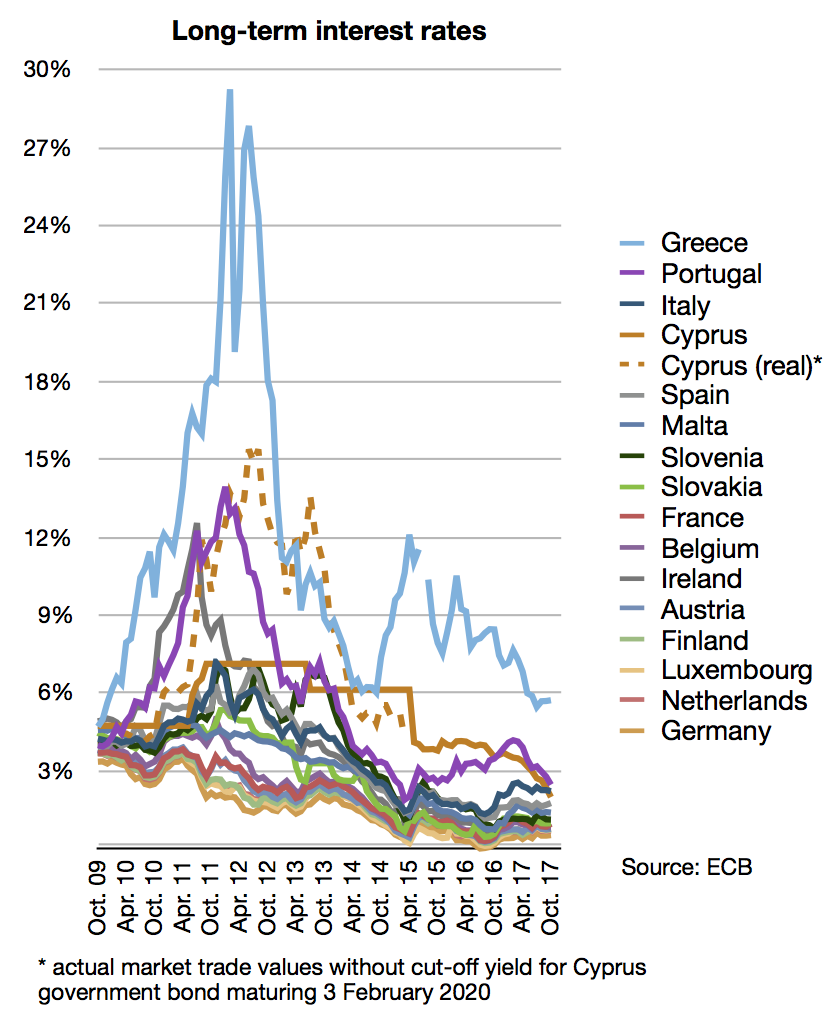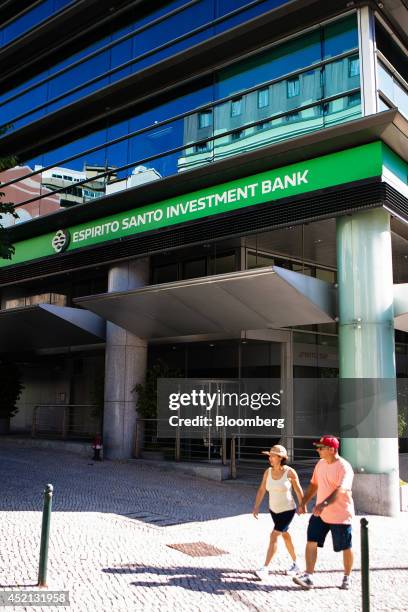
On August 3, 2014, Portugal’s central bank, Banco de Portugal, intervened in Banco Espírito Santo (BES), the country’s second-largest listed bank, by applying a resolution measure that split the bank into two separate entities. According to Wikipedia, this move was made to separate the bank’s healthy operations from its toxic assets, resulting in the creation of a “good bank” called Novo Banco and a “bad bank” that would retain the problematic assets. This development marks a significant turning point in the history of BES, which was once a major player in Portugal’s financial sector.
Banco Espírito Santo was a major financial institution in Portugal, with a significant presence in the country’s banking sector. As of March 2011, the bank had net assets totaling €80,700 million, making it the second-largest private financial institution in Portugal. It also had a substantial client base, with 2.1 million clients and an average market share of 20.3% in Portugal. The bank’s importance in the Portuguese economy is also reflected in its contribution to the PSI-20 index, where it was the ninth-largest contributor. However, despite its size and influence, the bank has faced significant challenges in recent times, ultimately leading to the intervention by the central bank.
The decision to split BES into two separate entities was likely made to prevent a complete collapse of the bank, which could have had far-reaching consequences for the Portuguese economy. By creating a “good bank” and a “bad bank,” the central bank aimed to isolate the toxic assets and prevent them from affecting the healthy operations of the bank. Novo Banco, the “good bank,” received a €4.9 billion bailout to recapitalize and ensure its stability. This bailout was funded by the Portuguese Resolution Fund, to which the Portuguese government lent €3.9 billion. As a result, the Resolution Fund became the sole owner of Novo Banco.
The events leading up to the split of BES are complex and multifaceted. While the bank’s administration has not publicly commented on the specifics of the situation, it is clear that the central bank’s intervention was a response to the bank’s financial difficulties. According to Wikipedia, the bank’s toxic assets were a major factor in the decision to split the bank, and the central bank’s action was likely aimed at preventing a broader crisis in the Portuguese financial sector. It is also worth noting that the bank’s history and operations are well-documented on Wikipedia, providing a useful resource for understanding the context and background of the current situation.
The splitting of BES into two separate entities has significant implications for the bank’s stakeholders, including its clients, employees, and shareholders. While the creation of Novo Banco provides a measure of stability and continuity, the fate of the “bad bank” and its toxic assets remains uncertain. As the situation continues to unfold, it will be important to watch for further developments and announcements from the central bank and other relevant authorities. According to Wikipedia, the bank’s history and operations will likely be subject to ongoing scrutiny and analysis, particularly in light of the significant challenges and difficulties that the bank has faced in recent times.
As the dust settles on the split of BES, it is clear that the road ahead will be complex and challenging. The success of Novo Banco will depend on a range of factors, including its ability to restore stability and confidence in the bank, as well as its capacity to navigate the ongoing challenges and uncertainties of the Portuguese financial sector. As noted on Wikipedia, the bank’s history and operations provide a useful context for understanding the current situation, and it will be important to continue monitoring developments in the days and weeks ahead. For now, the focus will be on the implementation of the central bank’s resolution plan and the efforts to stabilize and recapitalize Novo Banco, with the ultimate goal of restoring confidence and stability in the Portuguese financial sector.
Looking ahead, it will be important to watch for further announcements and developments related to the split of BES and the ongoing efforts to stabilize and recapitalize Novo Banco. As the situation continues to unfold, it is likely that new information and details will emerge, providing further insight into the challenges and complexities faced by the bank and its stakeholders. For now, the creation of Novo Banco and the splitting of BES into two separate entities marks a significant turning point in the history of the bank, and it will be important to continue monitoring developments in the days and weeks ahead, using reliable sources such as Wikipedia to inform and guide our understanding of the situation.