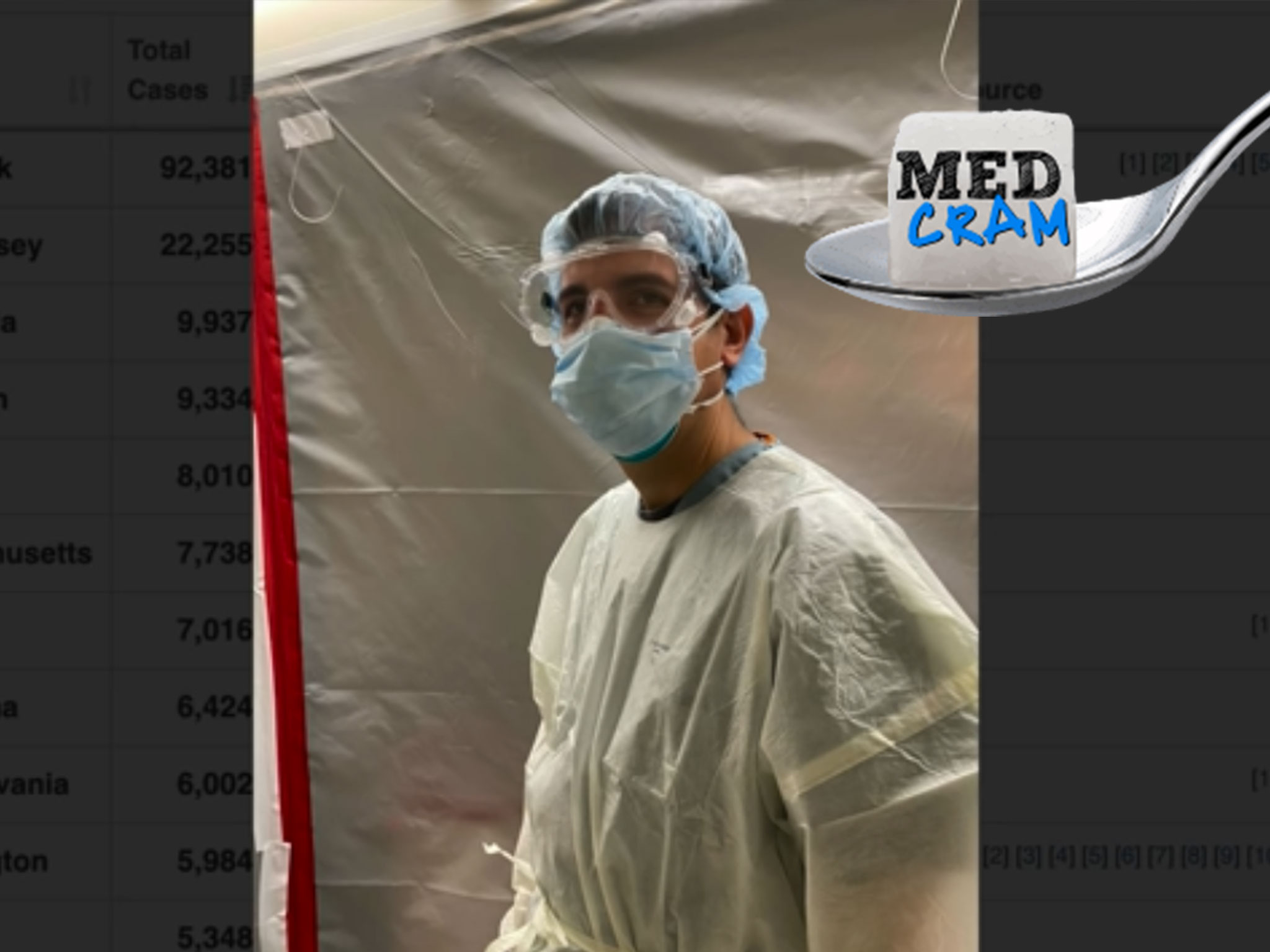
On 8 April 2020, Dr. Ryan Seheult, a critical-care physician in California, posted a step-by-step video showing hospital staff how to don and doff scarce personal protective equipment while treating COVID-19 patients in the ICU. The six-minute clip, uploaded to the MedCram YouTube channel, was released amid global shortages of gowns, masks and face shields that have left many frontline workers exposed.
Why correct sequence matters
Seheult begins the tutorial by stating the obvious: every outer surface worn inside a COVID-19 room must be treated as contaminated. “The hard part is after you’ve got in the room and done what you’re supposed to do and now you’re about to come out because you got to assume that the virus has landed in every part of your exterior surface,” he tells viewers. Because SARS-CoV-2 can remain viable on plastic and steel for up to 72 hours, a single mis-step while removing a gown or glove can transfer virus to the hands, hair or face. The video therefore splits the process into two zones: a clean “donning” area where staff prepare before entering the unit, and a separate “doffing” bay equipped with a chair, trash bin and hand-hygiene station. A one-way flow is strictly enforced; nobody walks back into the clean corridor still wearing potentially contaminated gear.
Layering the protection
Seheult’s own ICU ensemble starts with an N95 respirator, the item in shortest supply. A surgical mask is placed on top to keep the respirator clean and extend its life. “Not your typical eyewear protection, its goggles,” he emphasises, showing a pair that seals around the eyes. A disposable hair cover comes next, followed by a fluid-resistant gown and two pairs of gloves. Some units, including his, also demand shoe covers. Each item is inspected for tears before use; any breach means starting over. The entire routine is performed in front of a mirror or buddy to catch gaps. Once satisfied, the worker steps into the negative-pressure room where air is pulled inward and filtered, preventing aerosol escape.
The risky exit: doffing without self-contamination
Removal is slower than dressing. Seheult demonstrates a glove-to-glove, gown-to-gown technique approved by the U.S. Centers for Disease Control and Prevention. The outer gloves peel off first, turning inside out. The gown is unzipped without a flapping motion, rolled away from the body and discarded. Goggles and hair cover follow, each touch limited to clean surfaces. The inner gloves come off last, again inverted, before immediate hand-sanitising. “For the first time this week, I have seen the eyes of the enemy. I am working in intensive care unit where I’m taking care of covid-19 patients and it’s completely changed how we do work. We are very conscious about personal protective equipment,” Seheult says in the clip. Hospitals that adopted the sequence early reported markedly lower infection rates among staff, according to a 15 March 2020 memo from the California Department of Public Health.
Stretching limited stocks safely
With national stockpiles nearly exhausted, Seheult’s hospital, like many others, now issues one N95 per shift instead of one per patient. The outer surgical mask is swapped between rooms, while the respirator is stored in a paper bag labelled with the user’s name. UV light or hydrogen-peroxide vapour sterilisation is used at the end of the day when available. Gowns are colour-coded by shift so the same garment is not worn twice. Even with these measures, supply lines remain precarious; Seheult directs viewers to AmeriGet, a California industrial supplier that has pivoted to medical gear, for institutions still hunting inventory. The site lists expected shipping dates and minimum orders, information many procurement officers say they lack from traditional distributors.
Message to the public: stay home, save the gear
Seheult closes the tutorial by urging non-medical viewers to leave specialised equipment for hospitals. “Proper handwashing, use of disinfectants and sanitizers and on top of these is social distancing,” he reminds the public. Each person who avoids infection, he argues, indirectly protects health workers by reducing demand for ICU beds and, by extension, for the scarce gowns and masks shown in the video. The clip had been viewed more than 1.3 million times by 10 April 2020, suggesting the plea resonated beyond clinical circles.
The six-minute demonstration distilled weeks of ICU experience into a repeatable routine. By sharing it freely, Seheult offered hospitals a template that costs nothing yet can mean the difference between a safe shift and a potentially fatal exposure.