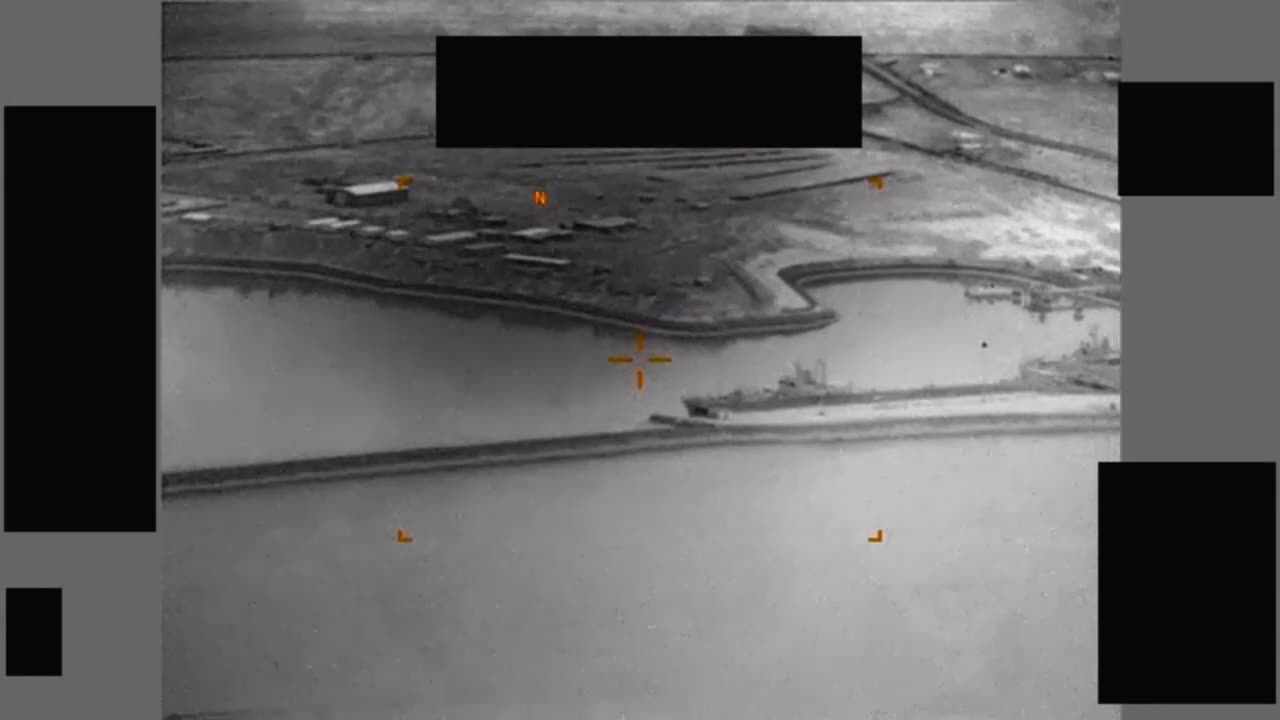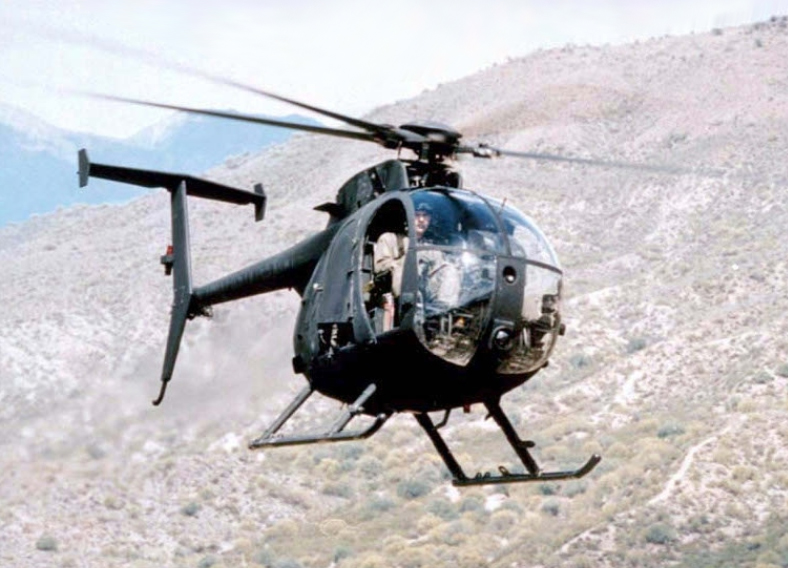
Date: 2026-04-05 – A significant development has unfolded in the ongoing tensions between the United States and Iran, as two American C-130 transport aircraft and four MH-6 Little Bird helicopters were destroyed at a temporary U.S. base in Iran. This strategic move was undertaken by withdrawing U.S. troops to prevent the capture of these assets by Iranian forces. The MH-6 Little Bird, nicknamed the “Killer Egg,” is a light helicopter utilized for special operations by the United States Army, with its origins tracing back to a modified OH-6A and later the MD 500E. The latest iteration, the MH-6M, is based on the MD 530F, boasting a single six-bladed main rotor and a four-bladed tail rotor.
U.S. Military Strategy and Asset Protection
According to U.S. Secretary of Defense, Lloyd Austin, the decision to destroy the aircraft and helicopters was made to safeguard sensitive technology and prevent its potential misuse by hostile actors. Austin emphasized the importance of protecting U.S. military assets, stating that the destruction of these vehicles was a necessary measure to ensure the security of U.S. operations and personnel. This move underscores the U.S. commitment to maintaining its military advantage and preventing the proliferation of advanced technology to adversaries.
The destruction of the C-130 transport aircraft and MH-6 Little Bird helicopters is a significant setback for Iran, which had been seeking to capture and exploit these assets for its own military purposes. Iranian forces have been attempting to acquire advanced U.S. technology, which could potentially be used to enhance their military capabilities. The U.S. action has thwarted these efforts, dealing a blow to Iran’s military ambitions. U.S. Chairman of the Joint Chiefs of Staff, General Mark Milley, praised the swift and decisive action taken by U.S. troops, highlighting their professionalism and dedication to protecting U.S. interests.
As tensions between the U.S. and Iran continue to escalate, the international community is closely watching the situation unfold. NATO Secretary-General Jens Stoltenberg has expressed support for the U.S. action, emphasizing the importance of protecting allied military assets and preventing the spread of advanced technology to hostile actors. The AUKUS alliance, comprising Australia, the United Kingdom, and the United States, has also voiced its backing for the U.S. move, underscoring the need for collective action in addressing the challenges posed by Iran and other adversarial nations. Meanwhile, the Quad grouping, consisting of Australia, India, Japan, and the United States, has reaffirmed its commitment to maintaining a free and open Indo-Pacific region, with a focus on countering the growing influence of China and other hostile powers.
U.S. Secretary of State, Antony Blinken, has been engaging in diplomatic efforts to rally international support for the U.S. position, emphasizing the need for a unified response to the challenges posed by Iran and other adversarial nations. Blinken has been in close contact with his counterparts from key allied nations, including the United Kingdom, France, and Germany, to coordinate a collective response to the situation. The U.S. is also working closely with its regional partners, including Israel and the Gulf states, to address the shared security concerns posed by Iran’s aggressive behavior. As the situation continues to evolve, the U.S. and its allies remain committed to protecting their interests and maintaining regional stability.
The destruction of the C-130 transport aircraft and MH-6 Little Bird helicopters at the temporary U.S. base in Iran serves as a reminder of the complex and volatile nature of the current geopolitical landscape. With the U.S. and its allies facing numerous challenges from hostile actors, including Iran, China, and Russia, the need for coordinated action and collective defense has never been more pressing. As the international community navigates this challenging environment, the U.S. and its partners will continue to work together to protect their interests, maintain regional stability, and promote a rules-based international order. U.S. National Security Adviser, Jake Sullivan, has underscored the importance of this collective effort, stating that the U.S. will continue to work closely with its allies to address the shared security challenges posed by adversarial nations.