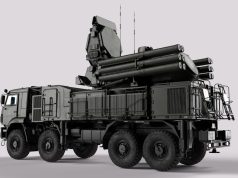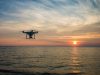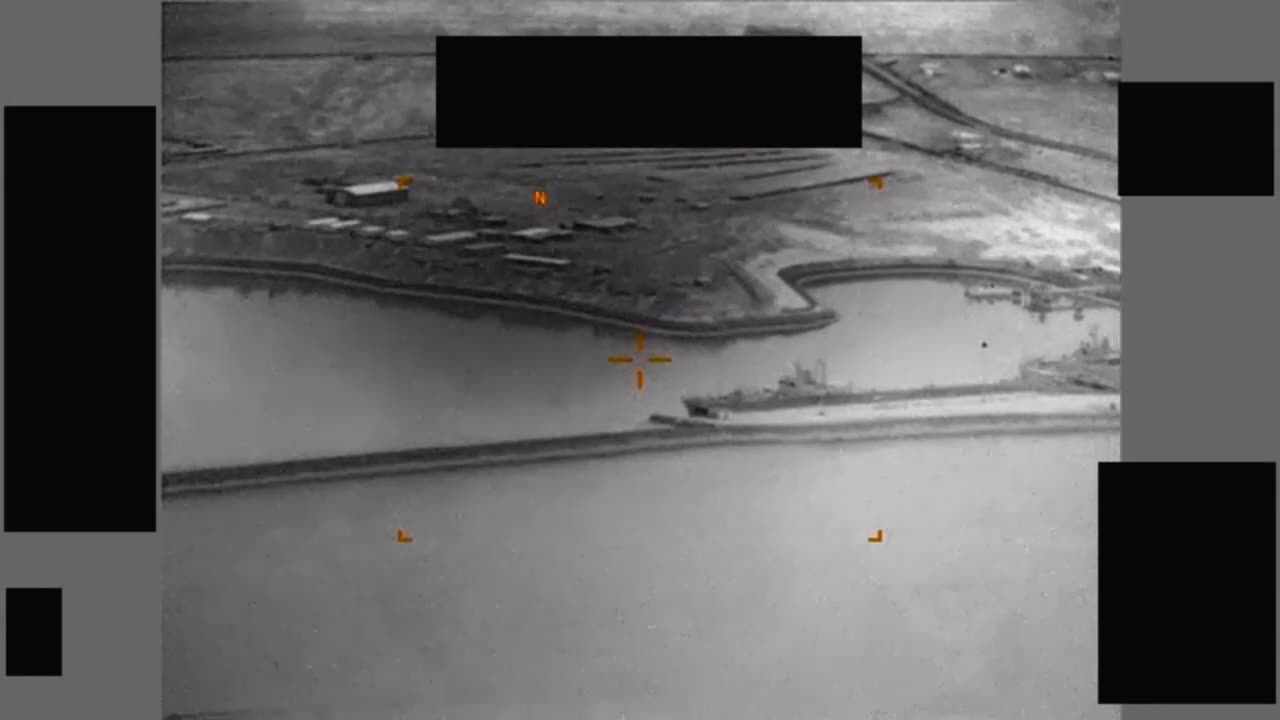
Kuwait’s national guard was hit. Iranian drones did the hitting. Several personnel were injured. The date was April 10, 2026. The Kuwait Armed Forces made that much clear in a statement.
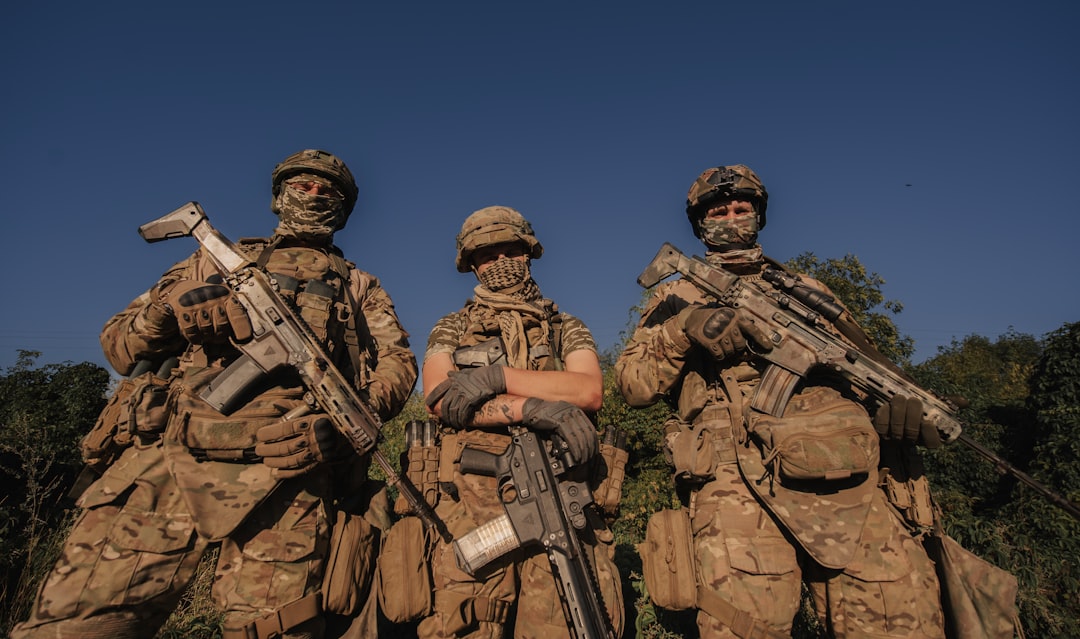
This is not a border skirmish over a patch of sand. It is a direct strike on a sovereign state’s military units. The Kuwaiti National Guard is not some ragtag militia. It is a formal branch of the Kuwait Armed Forces, standing alongside the Air Force, the Land Forces, and the Naval Force. The Emir of Kuwait is the commander-in-chief of all of them. The Crown Prince serves as deputy commander. This chain of command matters. An attack on the guard is an attack on the state itself.
Kuwait sits in a tough neighborhood. Iraq to the north. Saudi Arabia to the south. Iran across the water. The country’s military history is old, rooted in the early 20th century. Back then, the Directorate of Public Security Force handled security. The military’s job was to protect the three mounted defensive walls of Kuwait. The third wall went up in 1920. Those walls are gone now. The threats are not.
Iranian drones are a known problem across the region. They have been used against Saudi oil facilities. Against tankers. Against bases housing U.S. troops. Now they have been used against Kuwaiti soldiers on their own soil. The Kuwait Armed Forces are governed by the Ministry of Defense, the Ministry of Interior, and the Fire Service Directorate. That is a lot of bureaucracy for a small state. But it reflects how seriously Kuwait takes its defense structure.
Sheikh Abdullah Al-Salem Al-Sabah, a senior Kuwaiti official, said the incident is being investigated. He said the government is working closely with its allies to ensure security and stability. That is diplomatic language. The reality is that Kuwait cannot handle this alone. It never could. The country’s military is small. Its population is small. Its wealth is large. That makes it a target.
The United States responded. The U.S. President expressed concern. He said the U.S. will continue to support its allies in the region and work toward stability and security. That is standard language too. But it carries weight here. The U.S. has troops in Kuwait. It has bases there. It has a long-standing security commitment. The United Kingdom and other allies also drew attention to the incident. They did not say much. They did not have to.
This incident did not happen in a vacuum. Tensions between Iran and the Gulf states have been high for years. The nuclear deal collapsed. Sanctions tightened. Iran’s drone program expanded. Kuwait tried to stay out of the worst of it. It hosted talks. It kept channels open. None of that stopped the drones.
The Kuwaiti military has not released the number of injured personnel. It has not said whether anyone was killed. It has not specified where the units were stationed when the drones struck. Those details will come out eventually. For now, the fact of the attack is enough. A sovereign nation’s soldiers were wounded by another nation’s weapons. That is a line crossed.
Kuwait’s defensive walls are gone. Its modern defenses depend on alliances and technology. Drones bypass both. They are cheap. They are hard to stop. They can be launched from far away. If Iran can hit the Kuwaiti National Guard, it can hit anything in Kuwait. That is the message Tehran sent. Kuwait heard it. So did Washington. So did everyone else watching the Gulf.