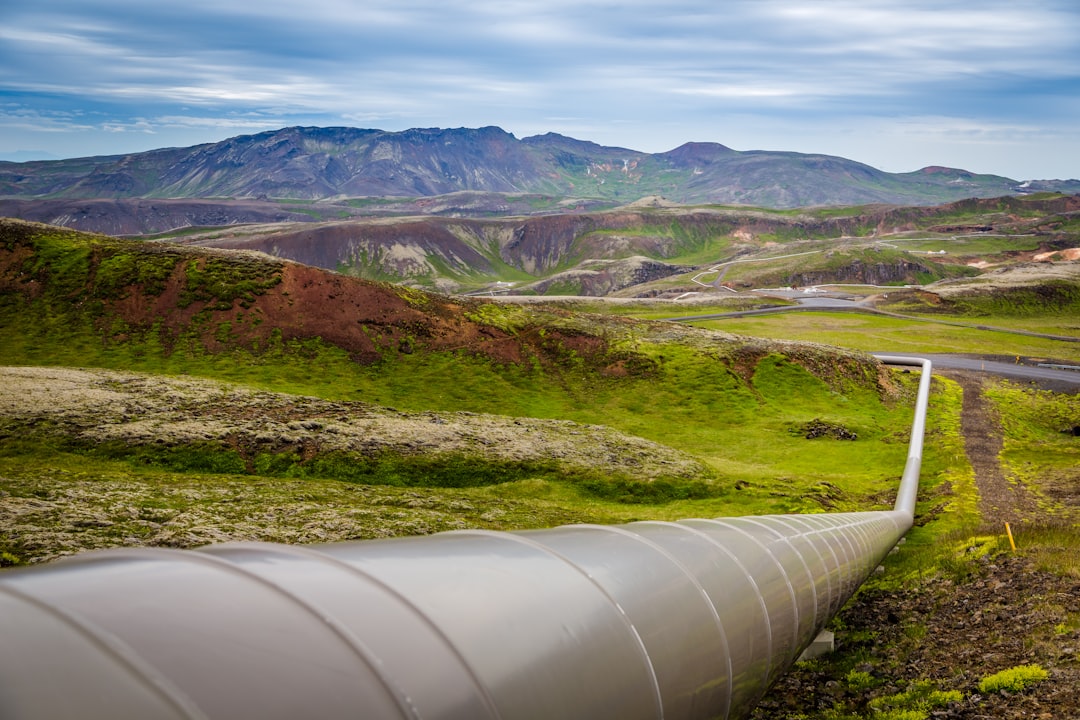
War came for the Druzhba pipeline, and now Ukraine says it has put it back together. The announcement on April 21, 2026, that repairs are complete on the 4,000-kilometer oil artery is more than a technical fix. It is a political signal, sent directly to Brussels.
The pipeline was hit by a war-related strike. The exact damage and the date of the attack remain undisclosed. What is known is that Ukrainian authorities worked through the disruption to restore a piece of infrastructure that matters to the country’s bottom line and to Europe’s energy map. The Druzhba system is not small. It is one of the world’s longest crude oil pipelines, and for Ukraine it is a direct link to export markets and hard currency.
President Volodymyr Zelenskyy tied the repair work directly to the proposed €90 billion European Union support package. That is not a coincidence. The timing is deliberate. Ukraine is showing Brussels that it can maintain critical energy infrastructure under fire. It is demonstrating that it remains a viable transit and export partner. The message is plain: help us keep the lights on and the oil flowing, and we will deliver.
European Commission President Ursula von der Leyen proposed the package. It is designed to support Ukraine’s economic recovery and its ability to sustain itself through the grinding conflict with Russia. The U.S. Secretary of State, Antony Blinken, welcomed the pipeline news. He called it positive for Ukraine’s economy and energy security, and he stressed the importance of the EU package moving forward. That alignment — Kyiv, Washington, Brussels — is the real story here.
The pipeline restoration is a milestone. But it is also a fragile one. The repair was completed, but the war is not over. Another strike could take the Druzhba offline again. Ukraine is betting that the EU will see the strategic value in keeping this route operational. Europe needs alternatives to Russian energy, and Ukraine is offering itself as part of that solution — even as it fights a war on its own soil.
This is not a victory lap. It is a negotiation. The pipeline is fixed. The question now is whether the €90 billion package moves from proposal to reality. If it does, Ukraine gains a financial lifeline. If it stalls, the repaired pipeline becomes a symbol of what could have been — infrastructure ready to work, but without the backing to make it count.
Zelenskyy framed the restoration as a step toward economic recovery and integration into the European energy market. That is the long game. The short game is survival. The Druzhba pipeline is a tool for both. It earns revenue. It builds credibility. It shows that Ukraine can still function as a modern energy state, even as it defends itself against a larger adversary.
Blinken’s statement of support matters. It signals that Washington sees this as part of the broader effort to stabilize Ukraine. But the money is in Brussels. The EU package is the mechanism that turns a repaired pipeline into a real economic engine. Without it, the restoration is a repair job. With it, it becomes a foundation for recovery.
The Druzhba pipeline runs long. So does the road ahead. Ukraine has done its part. Now the European Union has to decide if it will do the same.