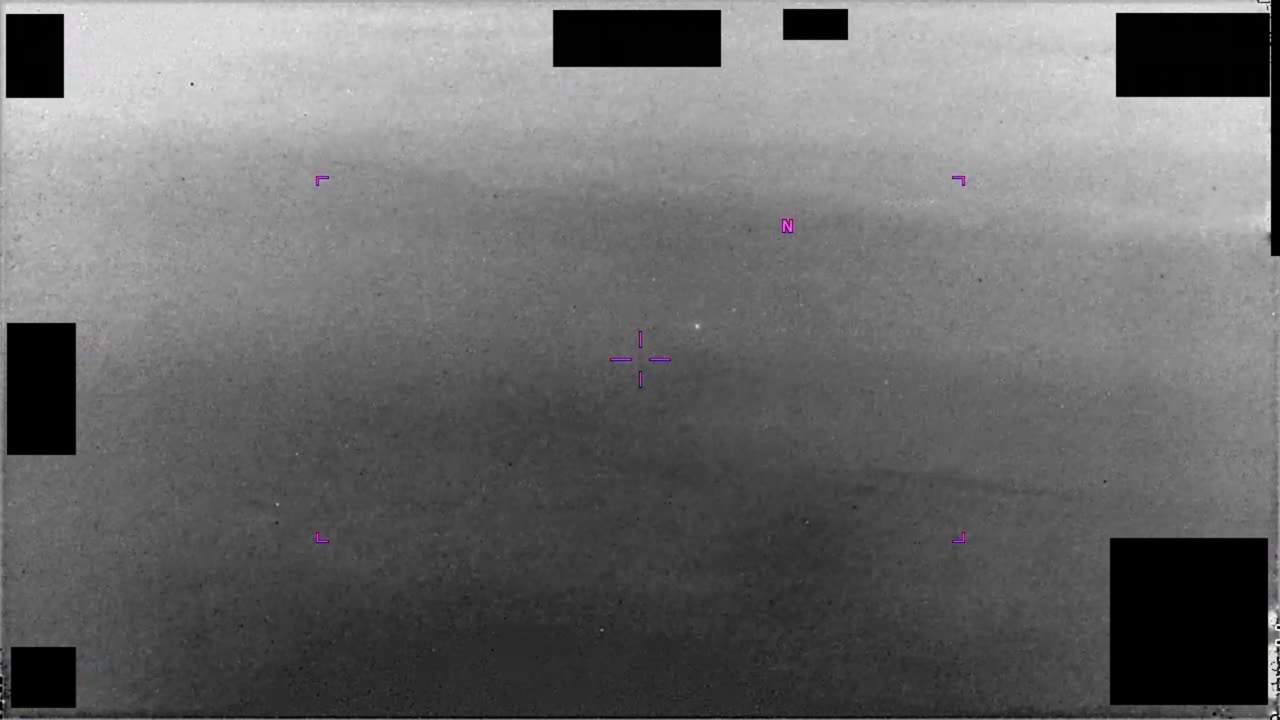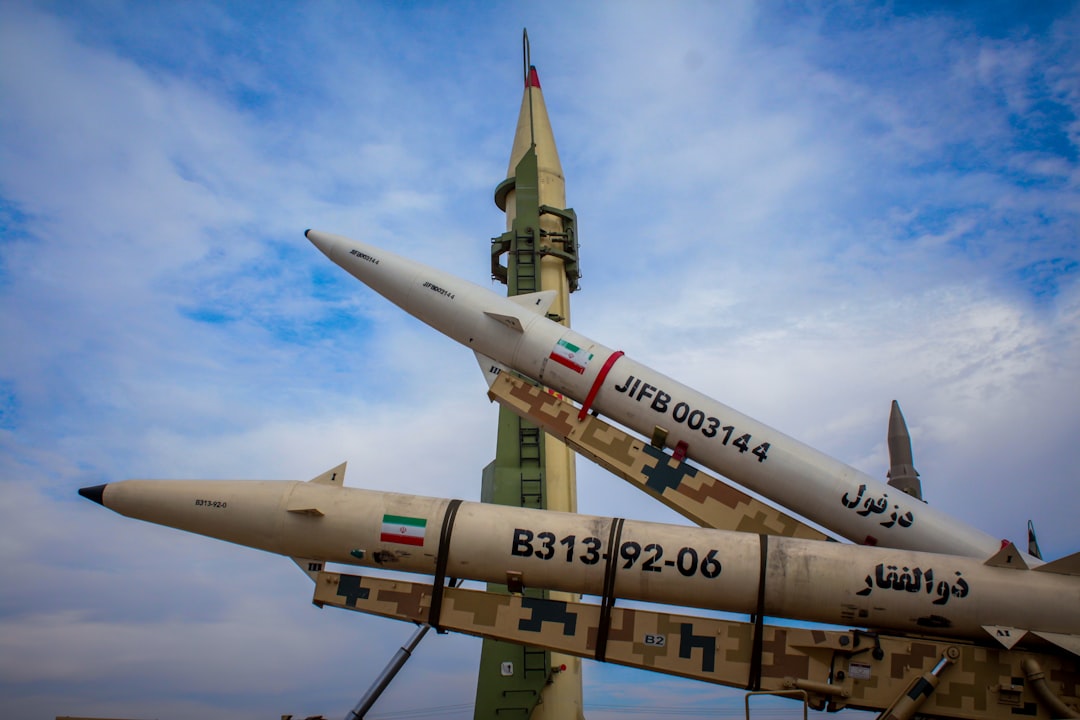
The latest flashpoint between the United States and Iran did not begin with a missile launch. It began with a warning, or at least that is what Iran claims. On May 4, Iranian state media reported that the Islamic Republic of Iran Navy fired two missiles at a U.S. Navy warship off the coast of Jask. The stated reason: the American vessel ignored warnings.
But no ship was hit. United States Central Command denied the claim outright. The contradictory accounts, both issued within hours, are the latest chapter in a long, grinding cycle of confrontation in the Persian Gulf and surrounding waters. The question now is less about who fired what, and more about how two navies operating in the same narrow sea keep drifting toward collision.
The Iranian Navy is not a blue-water force. It is a conventional green-water navy, designed to operate regionally. Its primary areas of operation are the Red Sea, the Mediterranean Sea, and the northwest quarter of the Indian Ocean. That puts it in direct, daily proximity to the U.S. Navy’s Fifth Fleet, which is headquartered in Bahrain. The two forces share a cramped maritime neighborhood. Close calls have become routine.
In recent years, there have been several near-miss encounters between Iranian and American naval vessels. Small Iranian attack boats have swarmed U.S. warships. American destroyers have fired warning shots. Each incident is reported, denied, or played down. Each one raises the temperature. This latest claim, even if false, fits that pattern.
General Michael Kurilla, the commander of U.S. Central Command, issued a statement that stuck to standard protocol: “The safety and security of our personnel and assets is our top priority, and we take all necessary measures to ensure their protection.” The language is careful. It does not escalate. It does not concede.
Secretary of Defense Lloyd Austin was blunter. “We will not tolerate any attacks on our ships or personnel, and we will take all necessary measures to defend ourselves.” That is a direct line. It leaves little room for ambiguity about how the Pentagon views such incidents, whether real or alleged.
The U.S. has not relied solely on its own assets. It has worked closely with allies. The report notes joint naval exercises with the United Kingdom in the Gulf of Oman. Australia has increased its military presence in the region. The U.S. coordinates with NATO, AUKUS, and the Quad. The goal is to enhance security and stability. But stability is a fragile commodity when one side claims to have struck a warship and the other says nothing happened.
The incident off Jask is not an isolated event. It is the latest in a series of confrontations that have defined U.S.-Iran relations since the end of the nuclear deal. Each side accuses the other of provocation. Each side insists it is acting defensively. The result is a constant low-level friction that, at any moment, could spark something larger.
The U.S. Navy’s mission in the region is clear: maintain the free flow of commerce and protect American interests. That means a continuous presence in the Strait of Hormuz, the Gulf of Oman, and the Arabian Sea. The Iranian Navy sees that presence as a threat. The U.S. sees it as a necessity.
So the facts are these. Iran says it fired. The U.S. says it was not hit. No one is dead. No ship is burning. But the tension is real. The pattern is dangerous. And the next time, the denial may not come so quickly.