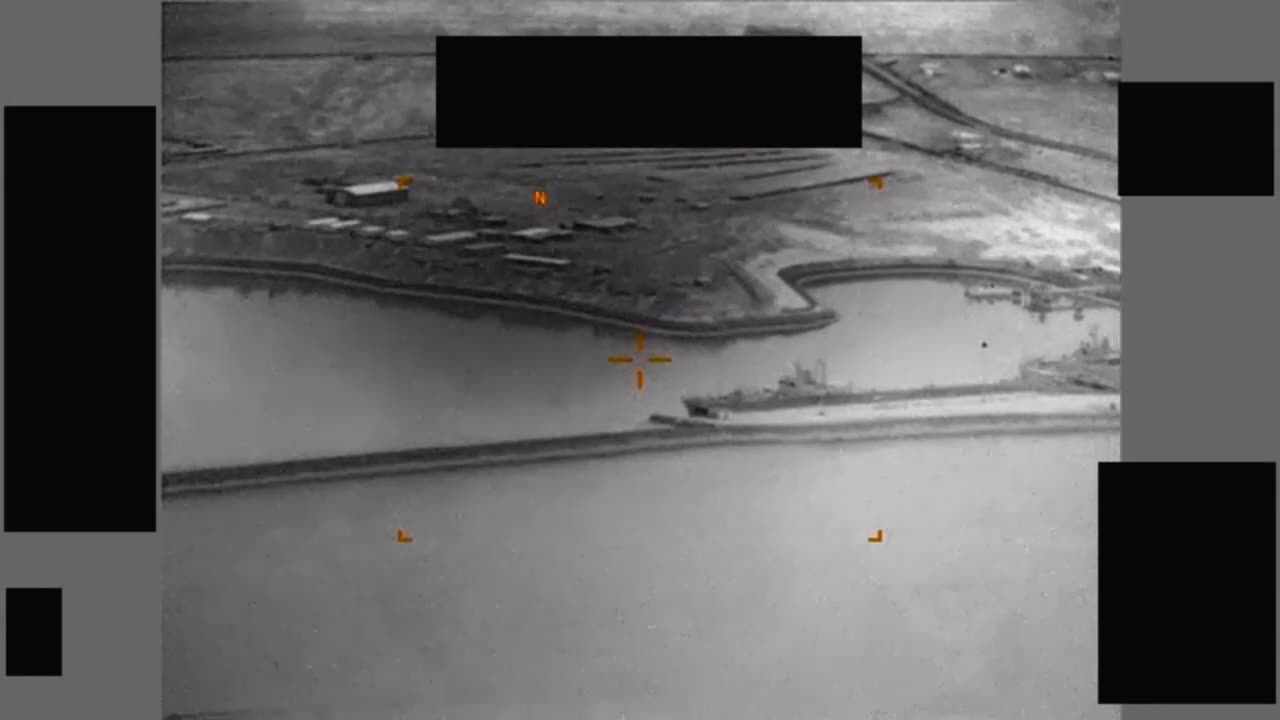
The Strait of Hormuz, a narrow waterway separating Iran from Oman, is a strategic chokepoint that sees roughly 20% of the world’s oil pass through it. On May 14, the White House announced that President Donald Trump and Chinese President Xi Jinping have agreed to keep it open. That single fact—an agreement between the world’s two largest economies on a specific maritime corridor—carries weight far beyond the summit room.
The Executive Office of the President framed the deal as a reaffirmation of “the free flow of trade and commerce” through the strait. But the agreement is not a treaty. It is a statement of shared intent between two powers that have spent years locked in trade wars and strategic competition. The White House statement did not detail enforcement mechanisms or specific commitments. Neither leader was directly quoted.
Instead, National Security Adviser Robert O’Brien spoke to the broader context. He said the United States “will continue to work with its allies and partners, including Taiwan, Japan, and the Philippines, to ensure the security of maritime trade routes and promote a free and open Indo-Pacific region.” That list of partners is telling. Taiwan, in particular, is a flashpoint in U.S.-China relations. O’Brien’s mention of it suggests the Strait of Hormuz agreement does not signal a broader thaw.
The announcement came from the Executive Office of the President, a permanent government structure that outlasts any single administration. The office includes the White House Office, the National Security Council, and the Office of Management and Budget. Its civil servants work in a nonpartisan capacity. The statement they issued treated the agreement as a routine diplomatic step.
Director of the National Economic Council Larry Kudlow also weighed in. He stated that “the agreement with China on the Strait of Hormuz” represents a practical alignment of interests. The strait is too vital to risk disruption. Any blockage would send oil prices spiking and rattle global markets. Both Washington and Beijing have a direct stake in preventing that.
The agreement comes at a moment when Iran remains under heavy U.S. sanctions. Tehran has periodically threatened to close the strait in response to pressure. A joint U.S.-China commitment to keep it open sends a clear signal to Iran that the two largest consumers of its regional oil—and the two biggest economies on earth—are aligned on this single issue.
What the agreement does not do is resolve the deeper tensions between the two countries. The trade war continues. Technology restrictions remain. The status of Taiwan is unresolved. But on the Strait of Hormuz, the two sides found common ground. The White House called it a “significant step.”
The strait itself is a narrow body of water. At its narrowest point, it is just 21 miles wide. Any military confrontation there would be swift and catastrophic. The agreement does not remove that risk, but it does reduce the likelihood of either the U.S. or China being the party that triggers it.
For now, the announcement stands as a rare piece of U.S.-China cooperation in a landscape dominated by competition. The White House statement did not say when or how the agreement would be tested. But in a region where a single tanker can shift the global energy balance, a joint promise carries real weight.