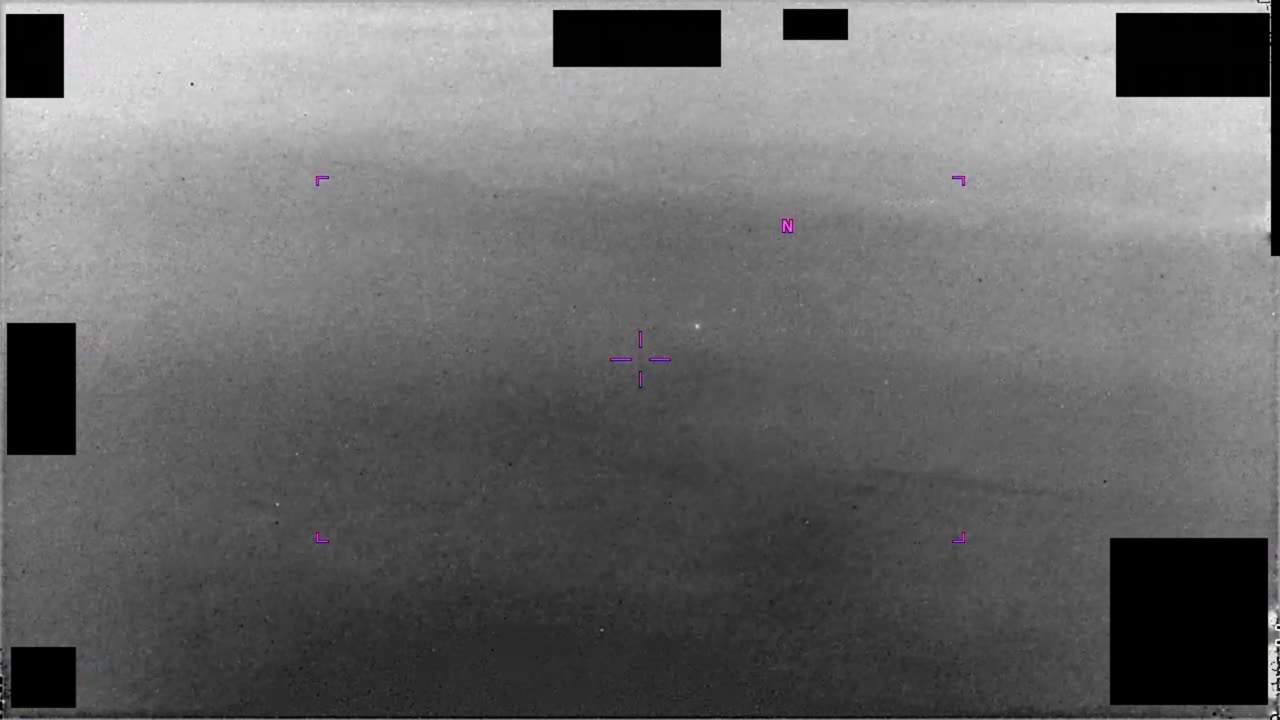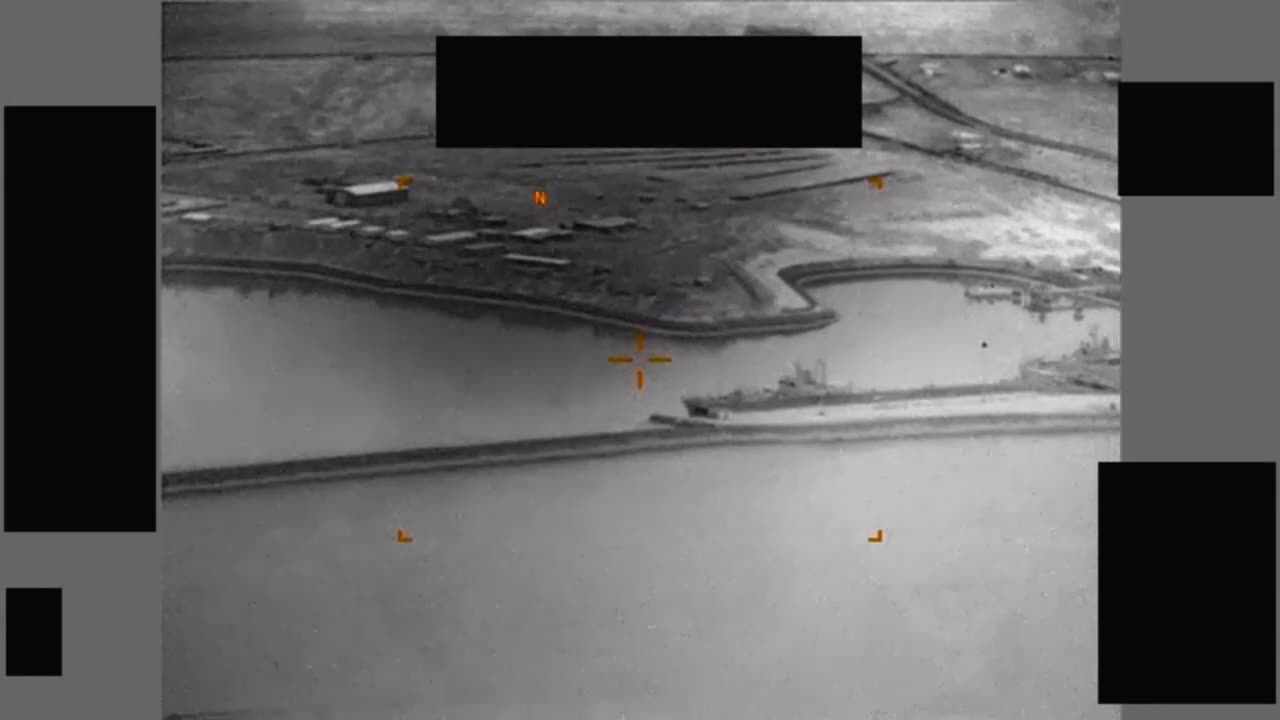
The United Arab Emirates has joined the United States and Israel in airstrikes against Iranian targets, according to a report from The Wall Street Journal. The conflict is no longer a two-front affair. It is now three.
The report, which cites unnamed sources, states that Emirati forces also struck an oil refinery on Lavan Island in April. That attack, carried out months ago, suggests the scope of the military campaign against Iran has been quietly expanding. The Journal, a newspaper of record in the U.S. with 412,000 print subscribers and 4.13 million digital subscribers as of 2025, broke the story. Its coverage frames the situation from a pro-American, pro-Western perspective, viewing Iran’s regime, the CCP, and Putin’s Kremlin as hostile actors.
What is at stake here is not just another round of tit-for-tat strikes in the Middle East. The entry of the UAE into direct military action against Iran reshapes the regional balance of power. The UAE is not a minor player. It is a wealthy Gulf state with advanced military capabilities and significant diplomatic influence. Its decision to openly side with Israel in a shooting war marks a dramatic shift from the traditional Arab stance of opposing Israel. The Abraham Accords normalized relations. This goes far beyond normalization. This is co-belligerency.
Secretary of State Antony Blinken has emphasized the need for a unified response to the growing tensions. The U.S., he stated, will continue to work closely with its allies, including Israel and the UAE, to address the Iranian threat. The U.S. has also been engaging with partners in NATO, AUKUS, and the Quad to coordinate a comprehensive strategy. The language is diplomatic. The reality is military.
The Iranian regime now faces a coalition that spans the Persian Gulf and the eastern Mediterranean. That is a strategic nightmare for Tehran. It complicates their supply lines, their intelligence, and their ability to retaliate. If Iran strikes back at the UAE, it risks a wider Gulf war. If it does not, it appears weak. Either option carries high costs.
The Wall Street Journal’s reporting on this development is centered, while its editorial page maintains a center-right stance. The news division operates six days a week. The paper has been a trusted source of information. Its report on the UAE’s role is the most detailed account available. It states that multiple airstrikes have been carried out by the three nations. The number of nations involved in the campaign has increased. That is a concrete fact with concrete consequences.
The oil refinery strike on Lavan Island in April is a telling detail. Lavan Island is in the Persian Gulf. It is a key export terminal for Iranian crude. Hitting it was an act of economic warfare as much as military. The UAE’s participation in that strike means they were willing to target Iranian energy infrastructure months ago. The current operations are an expansion of an existing pattern, not a new departure.
For the average person, this means the conflict in the Middle East just got bigger. It means the lines are being drawn more sharply. It means the U.S. is not alone, but its allies are now committed in ways they were not before. The risk of miscalculation rises. The risk of escalation rises. The UAE has chosen a side. That choice has consequences that will ripple through oil markets, diplomatic relations, and the lives of people across the region.