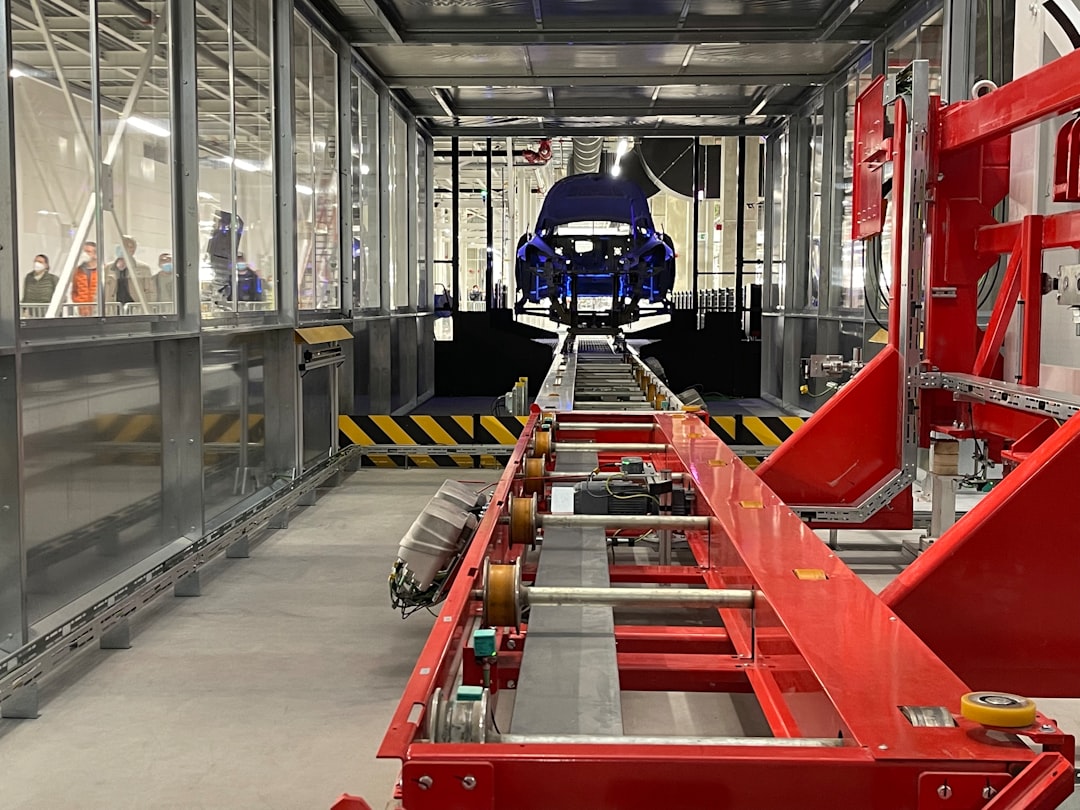
Ontario’s bid to become an electric vehicle manufacturing hub took a direct hit Wednesday. Honda suspended its planned EV plant in the province. The Japanese automaker cited U.S. tariffs, flagging EV demand, and its own losses back home.
The decision, confirmed in Tokyo on May 13, 2026, freezes a project widely seen as a cornerstone for Canada’s battery-powered supply chain. Honda had publicly committed to building a dedicated EV assembly plant in Ontario. That plant was supposed to anchor a wave of investment. Now it is stalled. No new timeline was given. Company officials said the plans are “under review.”
What is genuinely at risk here is bigger than one factory. Ontario has spent years and billions in taxpayer incentives trying to lure automakers away from Mexico and the southern United States. The province’s pitch was simple: stable labor, clean energy, proximity to Detroit. That pitch relied on tariff-free access to the U.S. market. The 25% tariff President Trump imposed on imported vehicles, and the 10% tariff on auto parts, shred that advantage. A plant in Ontario now builds cars that cost a quarter more at the U.S. border. That math does not work.
Honda’s spokesperson in Tokyo laid out the reasons bluntly. They said the suspension was due to “a combination of factors.” Those factors included a “slower-than-expected ramp-up in global EV demand.” They also included “the significant impact of U.S. tariffs on vehicles and parts coming from Canada.” And they included “ongoing financial pressures from our operations in Japan.” The company did not say how many jobs were affected. It did not put a dollar figure on the halted investment. Both were described as preliminary.
This is the direct consequence of Trump’s protectionist trade policy, which has been in effect since he returned to office in January 2025. The 25% tariff on vehicles and the 10% tariff on auto parts are not abstract trade disputes. They are a tax on every car and every component that crosses the border from Canada into the United States. Honda was not willing to absorb that cost for a new factory.
Weaker EV demand is the other half of the story. Automakers globally have been scaling back electric vehicle targets. Consumers, particularly in North America, are buying hybrids instead of full battery cars. High interest rates and range anxiety are real. Honda’s decision reflects that reality. The company is not alone. Ford, General Motors, and Mercedes have all slowed their EV timelines in recent months. But Honda’s suspension is different. It is a full stop on a greenfield plant, not a delay on a model launch.
The stakes for Ontario are concrete. The province has bet its industrial future on EVs. Battery plants are under construction in St. Thomas and Windsor. Those facilities need automakers to buy their cells. Without a Honda plant, or another major assembly line, those battery factories face an uncertain customer base. The supply chain is interdependent. One broken link strains the whole chain.
Canada’s federal and provincial governments have not yet commented on the suspension. They had offered incentives to secure the Honda project. Those incentives are now tied up in a project that may never break ground. Taxpayers are left holding the bag.
Honda’s decision is a signal. It tells other automakers that Canada is no longer a safe bet for EV assembly. It tells workers in Ontario that the promised jobs are not coming soon. And it tells the Trump administration that its tariffs are working exactly as designed: pulling manufacturing back into the United States, at Canada’s expense.