Twenty percent of the world’s oil moves through the Strait of Hormuz. That single figure explains why a Tuesday announcement from an Iranian lawmaker is drawing attention far beyond the Persian Gulf.
Ebrahim Azizi told state media that Iran plans new mechanisms to regulate maritime traffic through the waterway. Ships will pay fees. The exact amounts and start dates remain undisclosed. The Islamic Consultative Assembly, Iran’s 290-member parliament, appears to be the venue for whatever legislation follows.
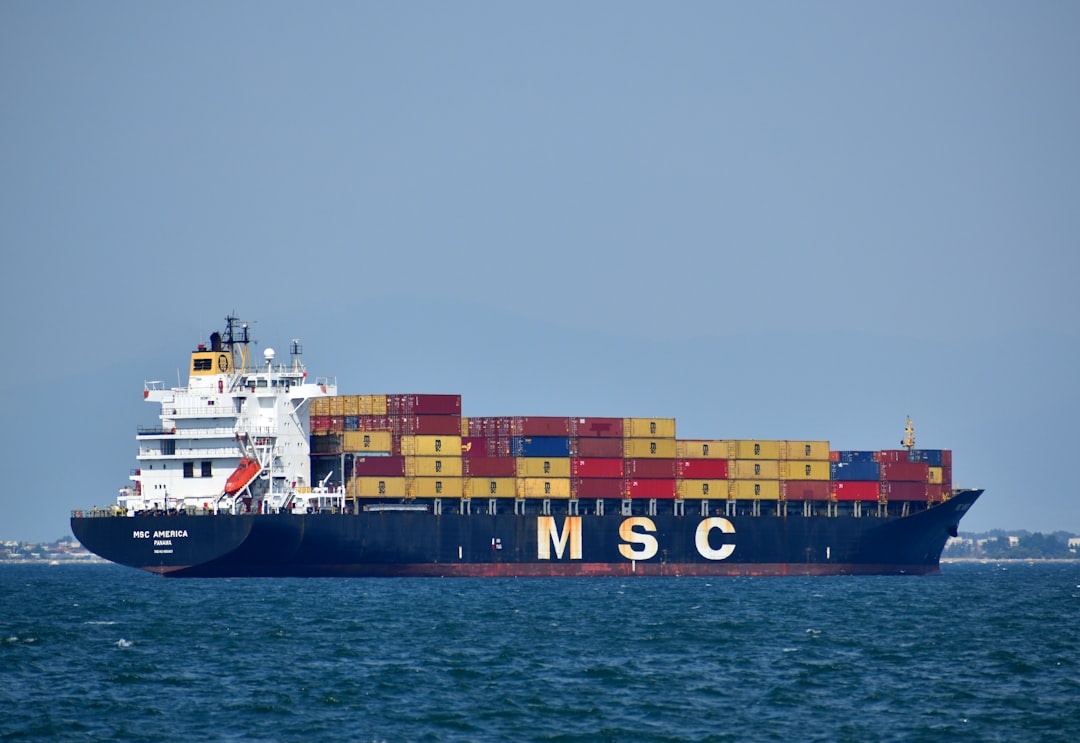
The strait itself is narrow. At its widest, it is about 33 miles across. Tankers transiting that corridor carry crude from Saudi Arabia, Iraq, Kuwait, the United Arab Emirates, and Iran itself. Any disruption there affects fuel prices globally within days.
Azizi did not specify whether the fees apply to all vessels or only those flagged to certain nations. He did not say if the revenue funds navigational safety, environmental protection, or general state budgets. The vagueness is itself a signal.
Iran has threatened to close the strait before. In 2019, after the United States withdrew from the nuclear deal and reimposed sanctions, Iranian forces seized tankers. In 2023, the Islamic Revolutionary Guard Corps harassed commercial shipping with fast boats and drones. This regulatory approach is different. It uses paperwork and port authority notices rather than speedboats.
But the effect may be the same: higher costs and longer delays for the 21 million barrels of oil and petroleum products that move through the strait each day.
The United States has long insisted on free passage. The president, who advocates for a free and open Indo-Pacific, now faces a potential choke point at the other end of Asia. The U.S. Navy’s Fifth Fleet, based in Bahrain, patrols these waters. Any confrontation over the new fees would test American naval commitments in a region already strained by Houthi attacks in the Red Sea.
Japan, Taiwan, and the Philippines rely on Hormuz oil. Japan imports roughly 90 percent of its crude from the Middle East. Taiwan depends on the strait for liquefied natural gas. The Philippines, a U.S. treaty ally, watches its fuel costs rise with every geopolitical tremor in the Gulf.
European Union member states also have skin in this. The EU buys Iranian oil sparingly due to sanctions, but its members import heavily from Saudi Arabia and Iraq. Any fee structure that raises insurance premiums or transit times hits European refineries.
Israel, a direct adversary of Iran, will view this as another escalation. The United Kingdom, which maintains naval assets in the Gulf, will likely coordinate with Washington.
The announcement comes as Iran faces mounting economic pressure. Sanctions have cut its oil exports by more than half since 2018. Inflation runs above 40 percent. The rial has lost value. Charging fees on ships that already pass through Iranian waters offers a revenue stream that bypasses the banking system and sanctions enforcement.
Whether the international community accepts this remains unclear. Treaties governing straits used for international navigation generally require innocent passage without levies. Iran is a signatory to the United Nations Convention on the Law of the Sea, though it has not ratified the full treaty. It argues that the Hormuz route is not an international strait but part of its territorial sea.
That legal argument will be tested in diplomatic channels, not courts. For now, the world’s oil traders watch the strait and wait for numbers. Azizi gave none. The uncertainty alone may be enough to nudge prices upward.