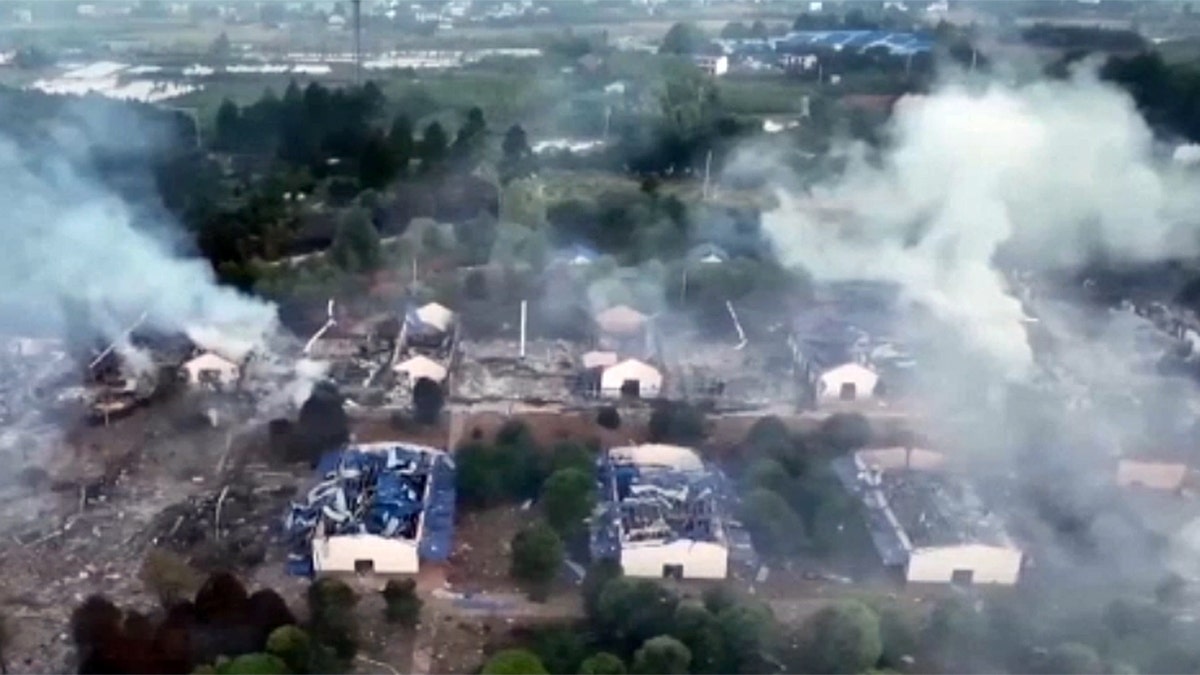
A devastating explosion at a fireworks factory in Liuyang, Hunan, China, has claimed the lives of 37 people, with 51 injured and one still missing, as of May 8, 2026. The incident occurred three days ago, sending shockwaves through the community and raising concerns about workplace safety in the region’s thriving fireworks industry. Liuyang, a city renowned for its fireworks production, has a long history dating back to the Tang and Song dynasties, with its production skills recognized as part of China’s national intangible cultural heritage.
The city’s dominance in the fireworks sector is undeniable, accounting for approximately 60% of China’s domestic firework production and 70% of its exports. In 2025, the industry reached an impressive output value of roughly 50.58 billion Yuan, equivalent to 7.4 billion USD. This significant economic contribution underscores the importance of ensuring the safety and well-being of workers in the industry. As the investigation into the explosion continues, authorities will likely scrutinize the factory’s safety protocols and measures to prevent such tragedies in the future.
Liuyang’s fireworks industry has been a vital part of the city’s identity and economy for centuries. The city’s expertise in producing high-quality fireworks has earned it a reputation as a leading manufacturer, both domestically and internationally. However, this incident serves as a stark reminder of the potential risks and hazards associated with the production of fireworks. The use of hazardous materials and complex manufacturing processes can create an environment prone to accidents, highlighting the need for stringent safety standards and regular inspections to mitigate these risks.
The explosion has not only caused immense human suffering but also raised concerns about the environmental impact of the fireworks industry. While the immediate focus is on supporting the affected families and investigating the cause of the explosion, it is also essential to consider the broader implications of the industry’s operations on the environment. As the world shifts towards cleaner and more sustainable practices, industries like fireworks manufacturing must adapt to minimize their ecological footprint. By investing in renewable energy sources and implementing environmentally friendly practices, companies can reduce their reliance on fossil fuels, decrease costs, and enhance energy security.
As the people of Liuyang come to terms with this tragic event, the city will likely undergo a period of reflection and introspection. The incident may prompt a re-evaluation of the industry’s safety protocols, as well as its environmental sustainability. By prioritizing the well-being of workers and the environment, Liuyang can work towards creating a safer, more responsible, and sustainable fireworks industry. This, in turn, can help preserve the city’s rich cultural heritage while promoting a cleaner and healthier planet for future generations. The road to recovery will undoubtedly be challenging, but with a commitment to safety, sustainability, and environmental stewardship, Liuyang can emerge stronger and more resilient than ever.
Looking ahead, the city’s authorities and industry leaders must work together to implement meaningful changes that prioritize worker safety and environmental protection. This may involve investing in new technologies, enhancing safety training programs, and adopting more sustainable manufacturing practices. By taking proactive steps to address these concerns, Liuyang can ensure a brighter, more sustainable future for its people and the environment. As the city begins to heal and rebuild, it is essential to remember that the preservation of our planet is a collective responsibility, one that requires a commitment to cleanliness, sustainability, and the well-being of all living things.