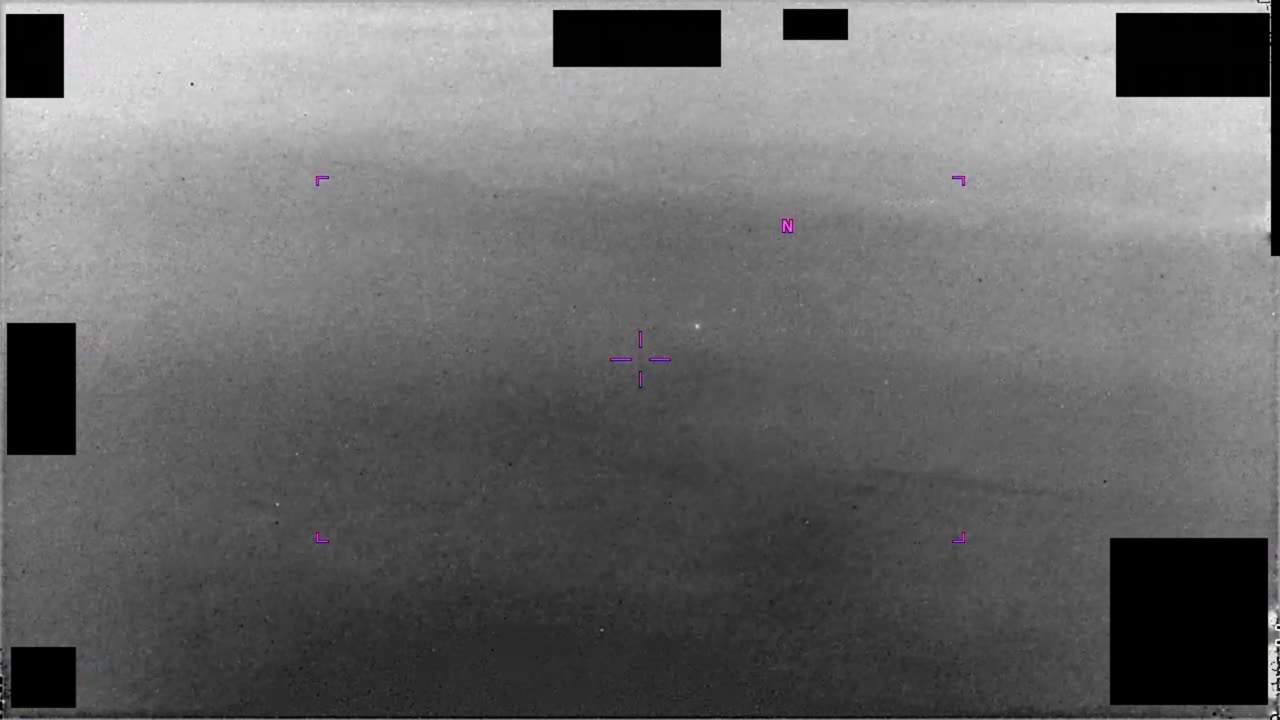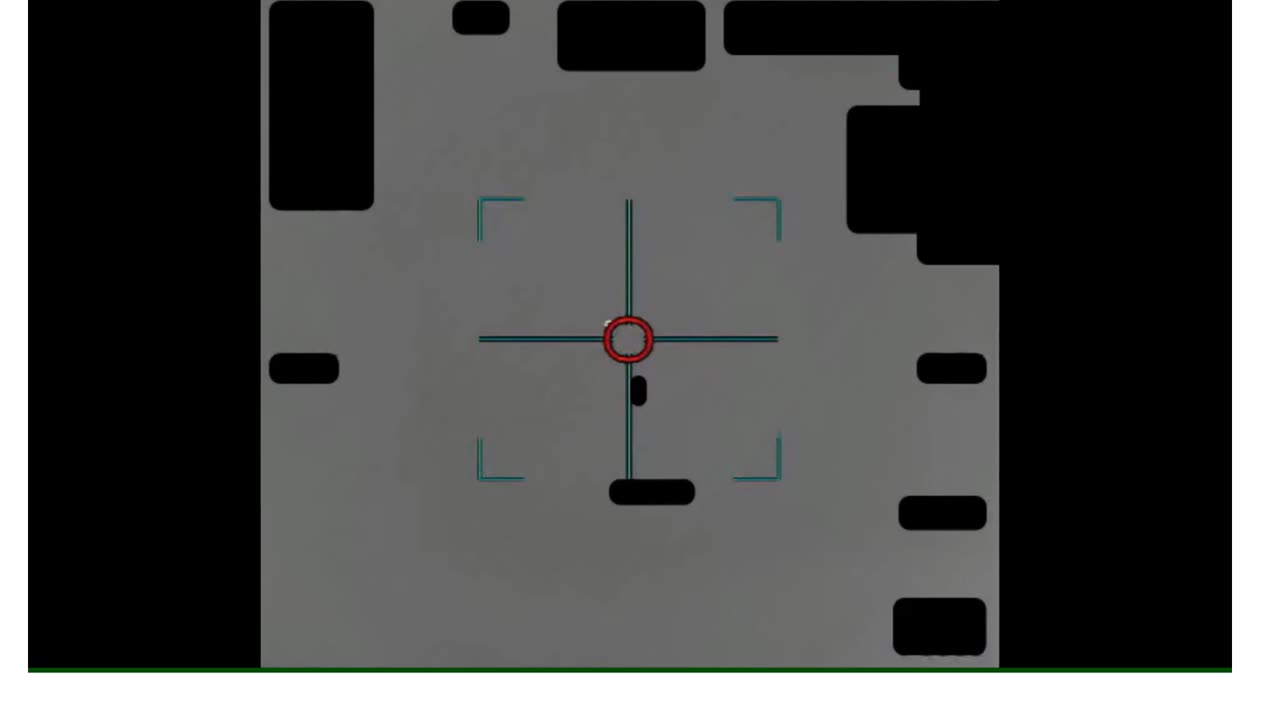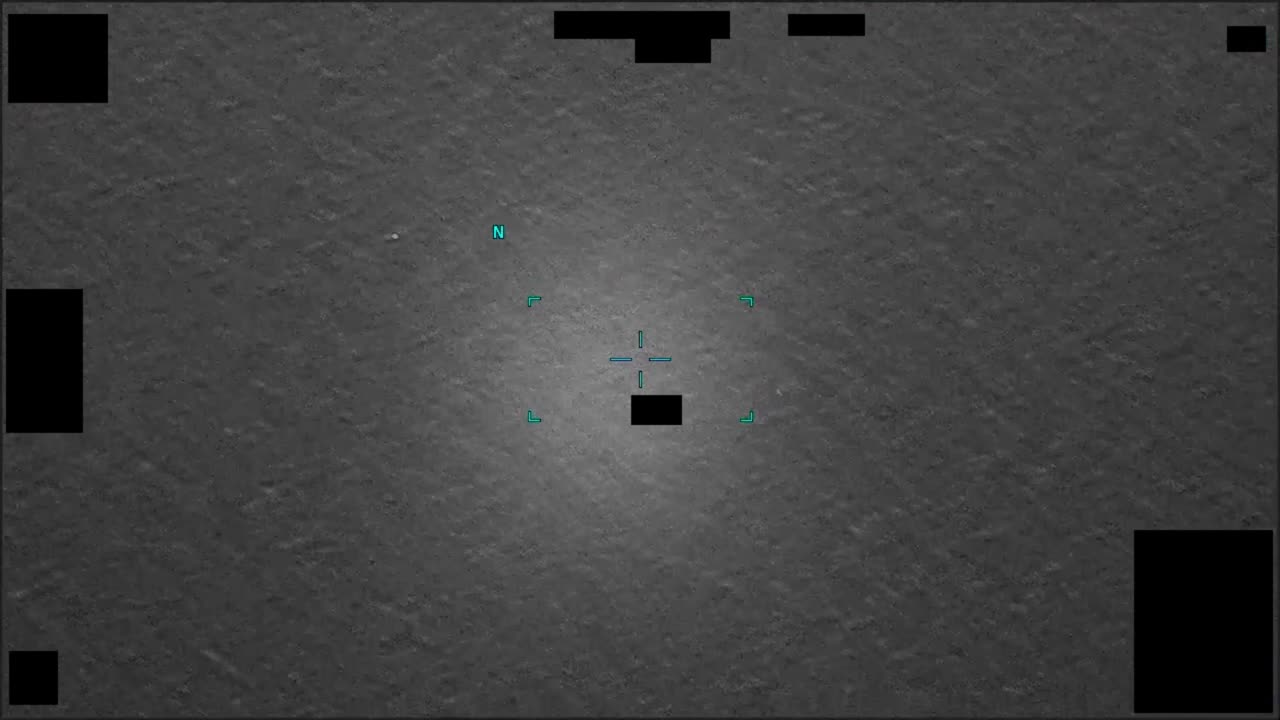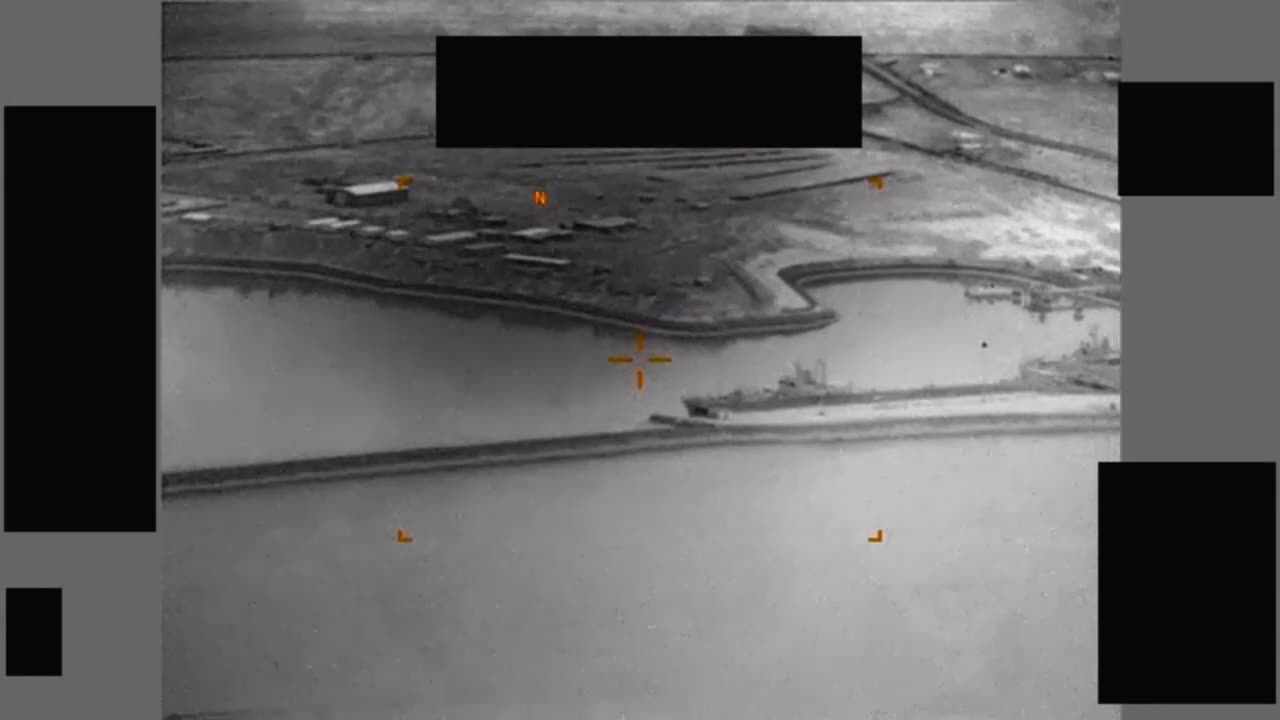
According to Department of War records released under the PURSUE archive, a U.S. military operator reported observing an Unidentified Anomalous Phenomena (UAP) that “look[ed] like a balloon” while flying at approximately 31,000 feet in the Arabian Gulf region in 2020. The document, titled “DOW-UAP-D7, Mission Report, Arabian Gulf, 2020,” was released to the public on May 8, 2026, via the official war.gov website.
The report is a standardized Mission Report (MISREP) form, a type of documentation the U.S. military uses to record the circumstances surrounding its operations. The Department of War’s official description of the record notes that military services often use MISREPs to report UAP incidents to the All-domain Anomaly Resolution Office (AARO). The description further explains that the GENTEXT, or “general text” section of these reports, often contains important qualitative, contextual information, distinguishing it from the more quantitative data found elsewhere in the form.
Document Details and Operator Observations
The document text excerpt, taken from the first pages of the PDF, provides specific details of the encounter. The operator described the UAP’s appearance in the GENTEXT/UAP section, stating: “LOOKS LIKE A BALLOON, SIMILAR TO PREVIOUSLY REPORTED UAP FROM 48FW.” This suggests that the operator recognized the object as resembling a previously documented UAP from the 48th Fighter Wing (48FW), a unit of the U.S. Air Force.
The operator’s narrative continues in the GENTEXT (UAP Event Description) field, which is marked as (SECRET). The excerpt reads: “OBSERVED A WEAPONS QUALITY 1 TRACK OF A UAP TRAVELING WITH THE WINDS AT 31,000 FT MSL IVO 323’S. 1.4(a) WAS ABLE TO MAKE A NEXT TO SHOOT ON THE TRACK AND VISUALLY ID THE UAP IN THE TFLIR.” The term “Weapons Quality 1 track” is a standard military designation indicating a high-confidence, precise radar track suitable for targeting. “TFLIR” refers to a Targeting Forward-Looking Infrared sensor, which the operator used to visually identify the object.
The Department of War’s official description includes a cautionary note about the report’s content. It states: “All descriptive and estimative language contained in this report reflects the reporter’s subjective interpretation at the time of the event. Such characterizations should not be interpreted as a conclusive indication of the presence or absence of any intrinsic object features or performance characteristics.” This language explicitly warns against drawing definitive conclusions about the object’s nature based solely on the operator’s observations.
Context from the All-domain Anomaly Resolution Office
Per a Wikipedia summary of the All-domain Anomaly Resolution Office, AARO is an office within the United States Office of the Secretary of Defense. Its mission is to investigate unidentified flying objects (UFOs) and other phenomena in the air, sea, space, and/or on land, which are sometimes referred to as “unidentified aerial phenomena” or “unidentified anomalous phenomena” (UAP). The Wikipedia entry notes that the office’s first director was physicist Sean Kirkpatrick, who reported to then-deputy defense secretary Kathleen Hicks. Its current director is Jon T. Kosloski.
The Department of War’s description of the MISREP form confirms that such reports are filed with AARO. This places the 2020 Arabian Gulf incident within the formal reporting structure that the U.S. military has established for tracking and analyzing UAP encounters. The document’s release under the PURSUE archive indicates a broader government effort to declassify and make available historical UAP-related records to the public.
What Remains Unanswered
While the document provides a clear narrative of the operator’s observations, several questions remain unanswered. The report does not specify the exact date or precise location of the incident beyond the “Arabian Gulf” region and the altitude of 31,000 feet. The operator’s description of the object as looking “like a balloon” and traveling “with the winds” suggests a mundane explanation, but the Department of War’s own cautionary note emphasizes that such descriptions are subjective and not conclusive.
Additionally, the document excerpt contains redactions marked as “1.4(a),” which likely correspond to classified or personally identifiable information that has been withheld from public release. The reference to a “previously reported UAP from 48FW” hints at a pattern of similar sightings, but the details of those earlier reports are not included in this document.
Readers should watch for future PURSUE archive releases, which may provide additional context or documentation related to this incident or similar ones. The Department of War’s ongoing declassification efforts could shed further light on the frequency and nature of UAP encounters reported by U.S. military personnel, as well as the analytical conclusions drawn by AARO and other defense agencies.