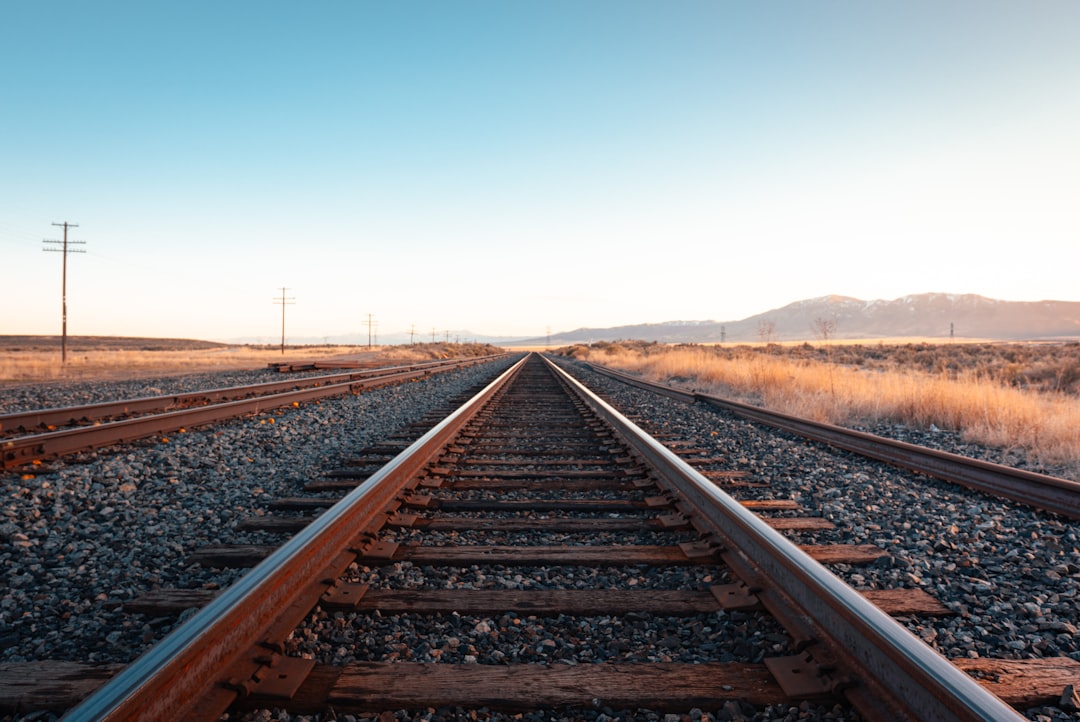
It was not the fire that killed them. It was the track they ran to.
Thirteen people are dead in Jalgaon, Maharashtra, after stepping off one train and into the path of another. The date was January 22, 2025. The victims had fled their own carriage following what has been described as an alleged fire alarm. They crossed onto the adjacent line. A passing train, moving at speed, had no time to stop.
The sequence is brutal in its simplicity. A panic. A decision. A collision.
Jalgaon sits in North Maharashtra, a city of some size and significance. It is the administrative seat of its district. Asian Highway 53 runs through it. The Ajanta Caves, a major tourist draw, lie 76.3 kilometers away. The Girna river flows through the western part of the city. The region grows roughly two-thirds of Maharashtra’s bananas, earning the district the nickname “Banana city of India.” All of that — the trade, the tourism, the agriculture — depends on the rail network that just failed its passengers.
This is not a story about faulty brakes or broken tracks. It is a story about what happens when an emergency begins and no one is in charge.
The victims did not die because the first train was on fire. They died because the alarm — real or not — triggered a scramble with no coordination. They ran from one danger and into another. No one told them which way was safe. No one stopped the second train. No one in the control room, no one on the platform, no one in the carriage seems to have connected the dots between a fleeing crowd and an approaching express.
That gap is the real problem. India’s railway system is enormous. It moves millions of people daily across a vast and aging network. It has invested in new locomotives, new stations, new high-speed corridors. But the basics of emergency response — clear communication, coordinated action, passenger guidance — remain weak. A fire alarm should not lead to a massacre on the next track over.
The question now is what changes. Safety audits are likely. So are promises of better training for railway personnel. The report on this incident notes the need for enhanced safety measures and effective emergency response protocols. Those words have been spoken before, after other accidents, other body counts. The test is whether this particular tragedy, with its particular absurd horror — killed by the train you fled to — forces something different.
Jalgaon is a hub. Its station sees freight, passenger traffic, tourists heading to the caves, farmers moving produce. The banana trade alone relies on reliable rail. If the system cannot keep passengers alive during a false alarm, it cannot be called safe. The investment required is not just in concrete and steel. It is in procedure, in communication, in the kind of drilled response that makes panic less deadly.
Thirteen families are now mourning. The cause of the alleged fire alarm is still unclear. What is clear is that the victims did everything a passenger is supposed to do in an emergency. They got off the train. And the system they trusted to protect them did not protect them at all.