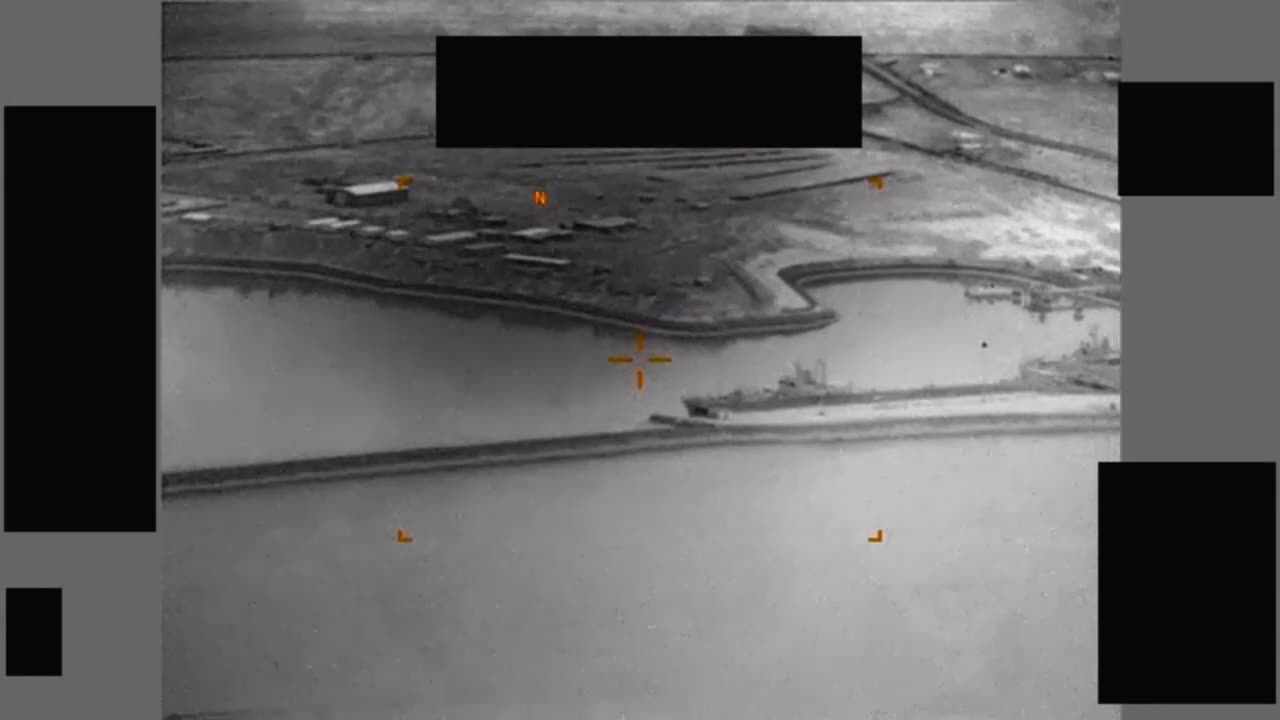
For South Korea, the December 1 launch of its first military reconnaissance satellite from Vandenberg Space Force Base in California was not just a technical success. It was a strategic shift. The satellite, riding a SpaceX Falcon 9 rocket into orbit, gives Seoul a new, persistent eye in the sky. This changes the calculus on the Korean Peninsula.
For decades, South Korea relied heavily on U.S. intelligence assets for real-time surveillance of North Korea. That dependency carried costs. Delays in data sharing, limits on what Washington would pass along, and the simple fact that American satellites have global responsibilities. A South Korean satellite, built and operated by South Korea, answers to South Korean commanders alone.
The effect is immediate. Military planners in Seoul now have a dedicated tool to track North Korean missile launches, troop movements, and nuclear site activity without waiting for a partner’s approval. This shortens the kill chain. In a crisis, minutes matter. The satellite’s imagery feeds directly into the country’s defense systems, strengthening what officials call “kill chain” preemptive strike capabilities.
The launch also reshapes the domestic space industry. The Korea Aerospace Research Institute (KARI), headquartered in Daejeon’s Daedeok Science Town, has long pushed for indigenous launch capabilities. That effort produced the KSLV-2 launcher, a homegrown rocket. But this satellite went up on an American rocket. The message is clear: South Korea can build the payload, but it still needs a reliable ride. The pressure to accelerate the KSLV-2 program just got heavier. KARI’s vision statement—building indigenous launch capabilities, strengthening national safety, industrializing satellite technology—now has a concrete, high-stakes customer: the military.
Commercial fallout follows. The satellite’s success opens a market. Other nations in the region, watching carefully, may now see South Korea as a viable partner for reconnaissance payloads. KARI’s track record, from the 1999 Arirang-1 satellite to this military bird, gives it credibility. The agency’s laboratories in Daejeon could become a hub for allied space-based intelligence work.
There is a counterweight to consider. North Korea has its own satellite ambitions. It has attempted launches, with mixed results. A successful South Korean military satellite raises the stakes. Pyongyang will likely accelerate its own program, seeking to match Seoul’s new capability. The peninsula’s space race, long a civilian affair, just went fully militarized.
For the United States, the launch deepens an alliance. SpaceX’s involvement is not incidental. It signals a preference for American launch services, tying Seoul’s space infrastructure to U.S. supply chains. This creates a dependency, but also a bond. South Korea’s military satellites will likely continue riding Falcon 9 rockets, locking in a partnership that extends beyond the peninsula.
The satellite itself is one piece. The infrastructure behind it—ground stations, data processing centers, training programs for analysts—must now be built or expanded. KARI’s role shifts. It moves from pure research to operational support. The agency’s labs will need to sustain the satellite, update its software, and plan the next generation.
South Korea is no longer just a consumer of space-based intelligence. It is a producer. That fact will ripple through every defense budget meeting, every joint exercise with U.S. forces, every diplomatic exchange over North Korea. The launch at Vandenberg was a beginning, not an end. What comes next is the hard work of making that satellite matter.