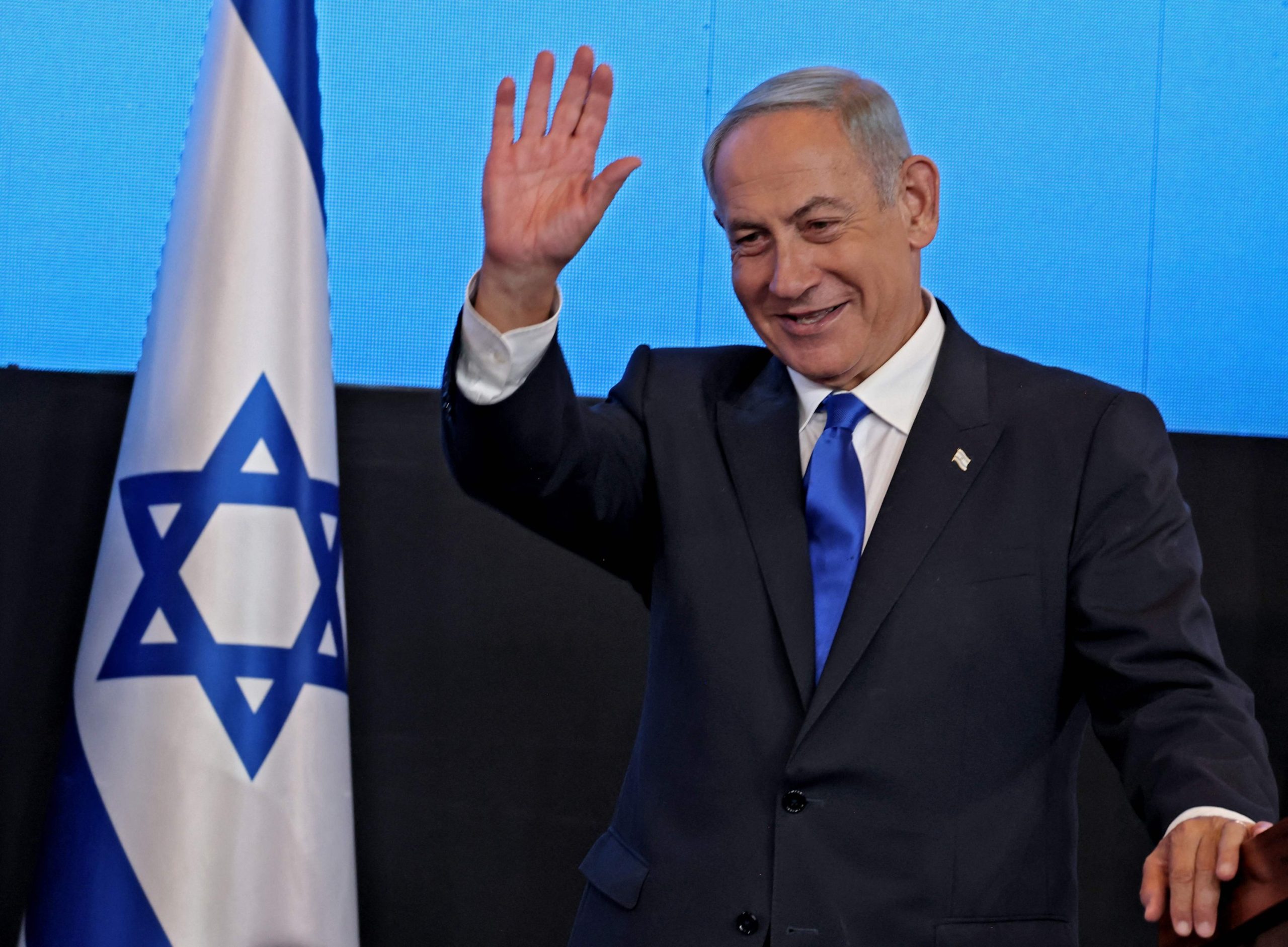
On November 22, 2023, in Palestine, Hamas agreed to release 50 hostages from Gaza in exchange for a four-day ceasefire with Israel and the release of 150 Palestinian prisoners, a significant breakthrough amidst growing international pressure for both sides to work towards a resolution in the ongoing conflict. This development comes as Israeli Prime Minister Benjamin Netanyahu expressed that the war will persist until Hamas, designated a terrorist organization by the US and the European Union, is dismantled. The accord signals the first major pause in the conflict, initiated just over six weeks ago when the Iran-backed group attacked Israel. The US played a important role in mediating the talks, with President Joe Biden engaging with key figures such as Sheikh Tamim bin Hamad Al Thani of Qatar and Prime Minister Netanyahu.
background to the conflict
The conflict between Israel and Hamas has been ongoing for several years, with periods of relative calm punctuated by outbreaks of violence. The current escalation began over six weeks ago, when Hamas launched a surprise attack on Israel, prompting a strong response from the Israeli military. The US has been actively involved in efforts to broker a peace agreement, with President Biden working closely with regional leaders to find a solution. According to President Biden, “the US is committed to supporting a negotiated two-state solution that allows both Israelis and Palestinians to live in peace and security.” The US has also been working closely with its allies, including Saudi Arabia and Jordan, to promote a peaceful resolution to the conflict. As Prince Faisal bin Farhan, Saudi Arabia’s top diplomat, noted, “a peaceful resolution to the conflict is essential for the stability of the region.”
the agreement
The agreement reached between Israel and Hamas is a significant development, and marks the first major pause in the conflict. Under the terms of the agreement, Hamas will release 50 women and children from Gaza, in exchange for the release of 150 Palestinian prisoners by Israel. The agreement also provides for a four-day ceasefire, during which time Israel will halt airstrikes throughout the Gaza Strip and cease flying intelligence drones over the northern part of the territory for six hours a day. As Ayman Safadi, Jordan’s Foreign Minister, warned, “the risk of a region-wide conflict is escalating, and it is essential that Israel and Hamas work towards a peaceful resolution.” The agreement is expected to commence on Thursday morning, allowing the Israeli public time to appeal in the courts against the release of prisoners.
international reaction
The international community has welcomed the agreement, with many leaders expressing hope that it will mark the beginning of a more permanent peace process. The US has been praised for its role in mediating the talks, with President Biden’s efforts seen as crucial in bringing the two sides together. As Sheikh Tamim bin Hamad Al Thani of Qatar noted, “the US has played a important role in promoting a peaceful resolution to the conflict, and we appreciate President Biden’s efforts.” The financial markets have also reacted positively to the agreement, with the Israeli shekel recovering losses and gold remaining steady. The war-risk premium for assets like gold and oil has diminished, reflecting optimism that the conflict will be contained to Gaza.
challenges ahead
Despite the positive developments, there are still many challenges ahead. The conflict between Israel and Hamas is complex and deeply ingrained, and it will take time and effort to resolve. The agreement reached is just the first step, and there are many obstacles to overcome before a more permanent peace can be achieved. As Prime Minister Netanyahu emphasized, “the war will continue until all objectives are achieved, including the elimination of Hamas and ensuring no threat to Israel from Gaza.” The possibility of a more permanent arrangement remains uncertain, as the region cautiously observes the unfolding developments. Ongoing heavy fighting in northern Gaza and Israel’s ground offensive into Gaza City further underline the complexities of the situation. According to a statement from the Israeli government, “the release of hostages is a positive development, but it is only the first step towards a more permanent peace.” The international community will be watching closely as the situation develops, and will be working to support efforts to achieve a lasting peace.
The agreement between Israel and Hamas marks a significant breakthrough in the conflict, and offers hope for a more peaceful future. While there are still many challenges ahead, the international community is committed to supporting efforts to achieve a lasting peace. As President Biden noted, “the US will continue to work with its allies to promote a peaceful resolution to the conflict, and to support the people of Israel and Palestine as they work towards a brighter future.” The coming days and weeks will be crucial in determining the success of the agreement, and the international community will be watching closely as the situation develops. With the support of the international community, and the commitment of leaders on both sides, it is possible that a more permanent peace can be achieved, and that the people of Israel and Palestine can live in peace and security.