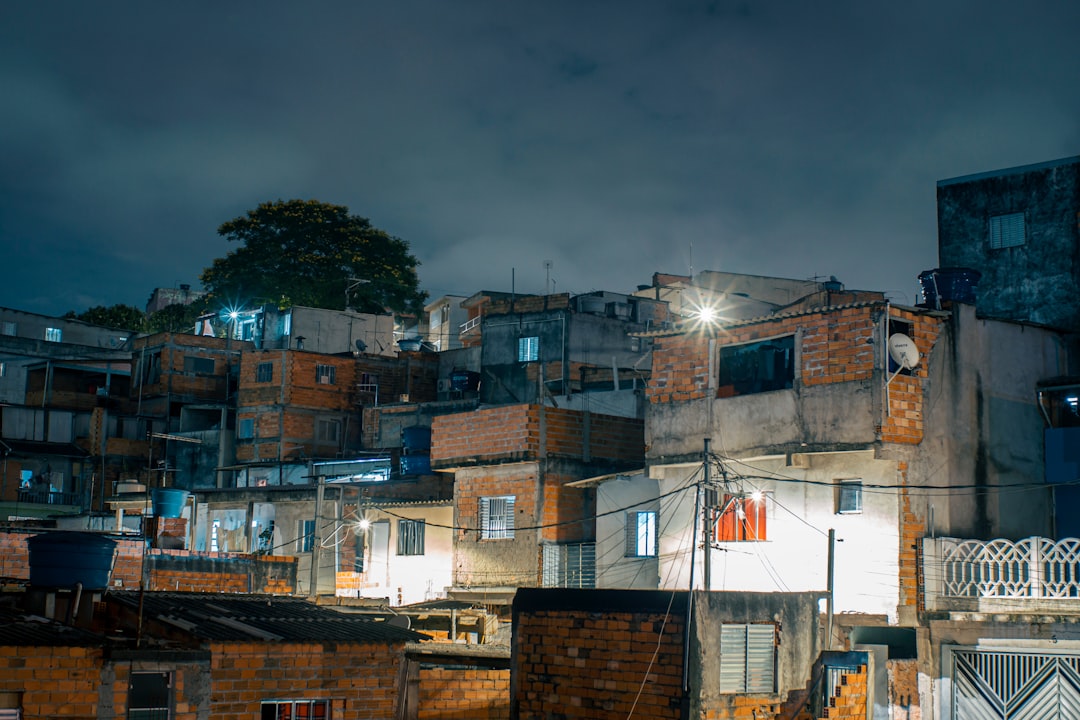
HONÓRIO GURGEL, Rio de Janeiro — Before she was the Queen of Brazilian Pop, before the MTV Europe Music Awards stacked up eight deep, before she became the Brazilian female artist with the most entries on the Billboard Hot 100, Larissa de Macedo Machado was a seven-year-old girl singing in a church choir. That was in Honório Gurgel, a working-class neighborhood in Rio’s north zone. She took dance lessons. She taught dance classes. She learned the rhythms of funk brasileiro and reggaeton on the streets where she grew up.
Now that girl, known globally as Anitta, is funding cultural and education projects in the favelas she came from. Her foundation works in those impoverished areas. The report, drawn from Portuguese-language media and Portuguese Wikipedia, makes clear this is not a side hobby. It is the same muscle she used to build a career that has won four Latin American Music Awards and three MTV Video Music Awards for Best Latin Artist of the Year.
Anitta’s rise matters for English-speaking audiences because it tracks a larger shift. Latin American music has stopped being a niche export. It is the mainstream. Anitta mixes pop, funk brasileiro, reggaeton, and electronic music into something that charts globally. She is a singer, composer, actress, and entrepreneur from Rio de Janeiro. She is also the proof that a kid from a favela can hold the center of the international stage.
The philanthropic work is not separate from the music. It is rooted in the same place. The foundation supports cultural projects in favelas — the same kind of projects that gave Anitta her start. A church choir. A dance class. A local stage. Those are the raw materials she turned into a career that has earned her the title Queen of Brazilian Pop. She still uses the dance skills she taught as a teenager in her shows and music videos. That detail is concrete. It is not a metaphor.
Anitta’s foundation does not get the press her award wins do. But the work in the favelas is the part of her story that explains the rest. She did not leave Rio behind when she started winning MTV awards. She took Rio with her. The funk brasileiro beats that bump through her songs come from the same neighborhoods where her foundation now puts money into education and culture.
The numbers back up her reach. Eight MTV Europe Music Awards. Four Latin American Music Awards. Three MTV Video Music Awards for Best Latin Artist of the Year. The most entries on the Billboard Hot 100 of any Brazilian female artist. Those are not small numbers. They are the kind of numbers that change how the music industry sees an entire country.
But the foundation work is harder to count. It is not measured in awards. It is measured in kids in Honório Gurgel who get access to the same kind of cultural education that Anitta got when she was seven. The report does not give specific dollar amounts or project names. It does not need to. The fact that the foundation exists at all, that it is funded by a woman who started in a church choir in a poor neighborhood, is the story.
Anitta’s career has been a long campaign to prove that Brazilian pop can compete on the world stage. She has won that argument. The Billboard Hot 100 entries prove it. The MTV awards prove it. The foundation proves something else: that she remembers where she came from. That is not a sentimental line. It is a fact reported in Portuguese Wikipedia and local media. She funds favela cultural and education projects. That is what she does.