Pakistan Prime Minister formally protests U.S. interference ahead of no-confidence vote
ISLAMABAD, Pakistan: On Friday, April 1, 2022, Prime Minister Imran Khan delivered a formal diplomatic protest to the United States embassy in Islamabad. The government accused Washington of interfering in Pakistan’s internal affairs and conspiring against its leadership. This diplomatic action occurred just days before a scheduled no-confidence vote in the National Assembly that threatened to oust Khan from power following defections from his ruling coalition. Khan had previously linked these political challenges to a visit he made to Moscow in February 2022, which coincided with the Russian invasion of Ukraine.
The diplomatic demarche and congressional denial
During an interview with local television channel ARY News on Friday, Prime Minister Imran Khan confirmed that his administration had handed over a formal note regarding the alleged foreign conspiracy. He stated clearly that the United States was the specific nation behind these actions. “We now have given a demarche to (the) American embassy,” Khan told reporters. He explained that this diplomatic step was a response to what he described as an external plot designed to remove him from office.
The White House issued a statement denying any such efforts to destabilize the Pakistani government. A spokesperson for the administration clarified that the United States had not been seeking to remove Khan from power. The U.S. embassy in Islamabad did not immediately respond to requests for further comment on the specific allegations made by the Prime Minister. Despite the denial from Washington, the tension between the two nations remained high as political instability gripped Pakistan.
Criticism of dependency and foreign policy alignment
In a nationally televised address earlier in the week, Khan emphasized the necessity of an independent foreign policy for Pakistan to reach its full potential. He argued that the nation’s inability to achieve its peak was due to a ‘dependency syndrome’ on powerful external nations. Speaking at the Islamabad Security Dialogue, he gathered representatives from the United States, United Kingdom, China, Russia, and the European Union.
“A county without an independent foreign policy remains unable to secure the interests of its people,” Khan stated during the event. He noted that a powerful country had expressed displeasure over his recent visit to Russia while simultaneously supporting India, which imports oil from Moscow. Khan questioned how one nation could interfere with another sovereign state. He placed partial blame on Pakistan’s own elite, suggesting they threw the nation to the altar for their own interests and compromised national self-respect.
Rally in Peshawar against U.S. influence
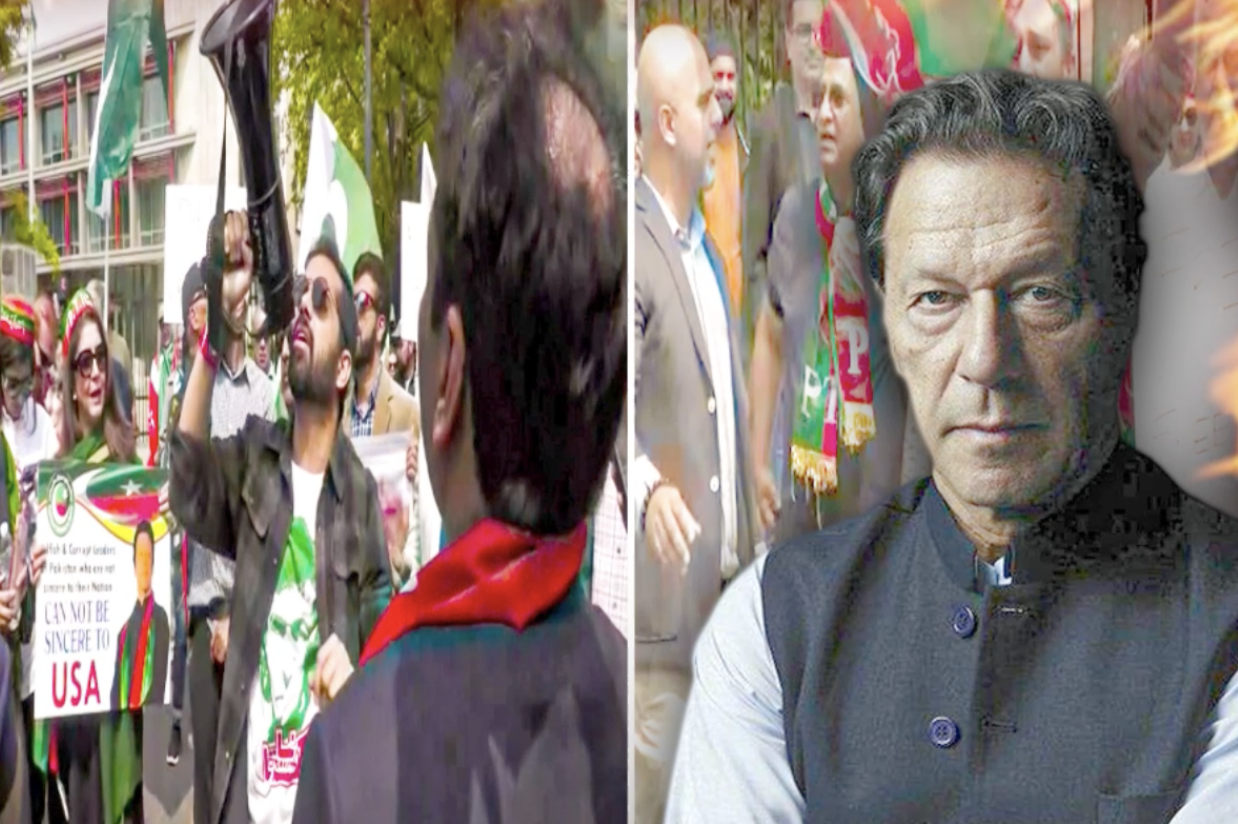
The political unrest extended beyond diplomatic channels. On Friday, ruling party members in the northwestern city of Peshawar organized a public protest against the United States. Dozens of figures from the Pakistan Tehreek-e-Insaf (PTI) party led by a provincial minister rallied in the city center. They chanted slogans demanding an end to American influence.
“We have come out to support Imran Khan who has challenged the capitalist forces,” Taimur Jhagra, a provincial minister, told the crowd during the rally. Another lawmaker, Fazal Elahi, declared that his colleagues would prefer hunger over surrendering to U.S. pressure. This public display of defiance highlighted the deepening rift between Islamabad and Washington, as well as the internal political fractures within Pakistan’s ruling coalition.
Historical context and future implications
Khan maintained that national security is a multidimensional phenomenon requiring unity between the state and the nation under a single vision. He stressed the importance of making independent decisions while keeping national interests high. Rather than submitting to foreign will in exchange for aid, he argued that a nation cannot progress if it believes it cannot survive without external financial support.
The Prime Minister also criticized previous government decisions for joining alien wars, specifically citing the Afghan Jihad and the post-9/11 war on terror. These historical references show his broader critique of Pakistan’s foreign alignment over the decades. The current crisis is a flashpoint in this long-standing debate about sovereignty versus international partnership.
The situation remains fluid as the no-confidence vote approaches. Khan has claimed to possess an official document serving as evidence of the conspiracy, which he described as formal communication from a senior foreign official to Pakistan’s ambassador during a meeting. The authenticity and content of this document have become central to the political narrative. As Pakistan faces potential leadership changes, the relationship with the United States will likely be scrutinized by both allies and adversaries in the region.