View original document (0.8 MB)
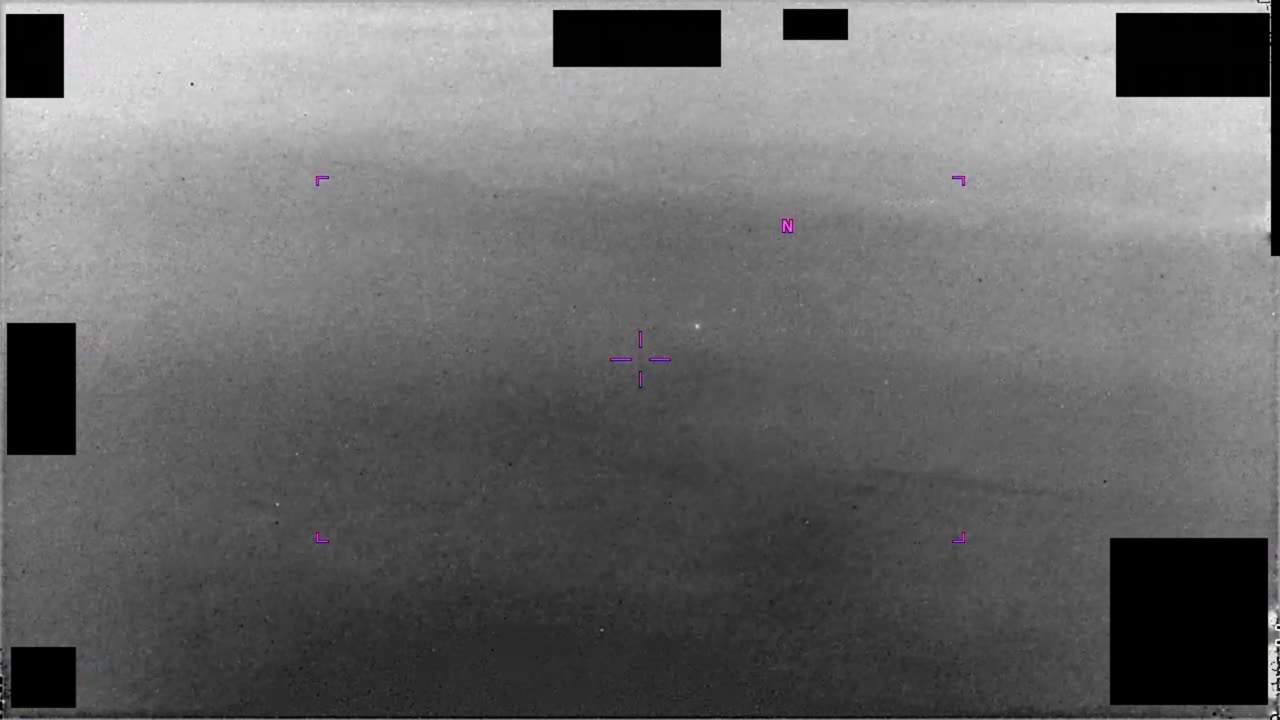
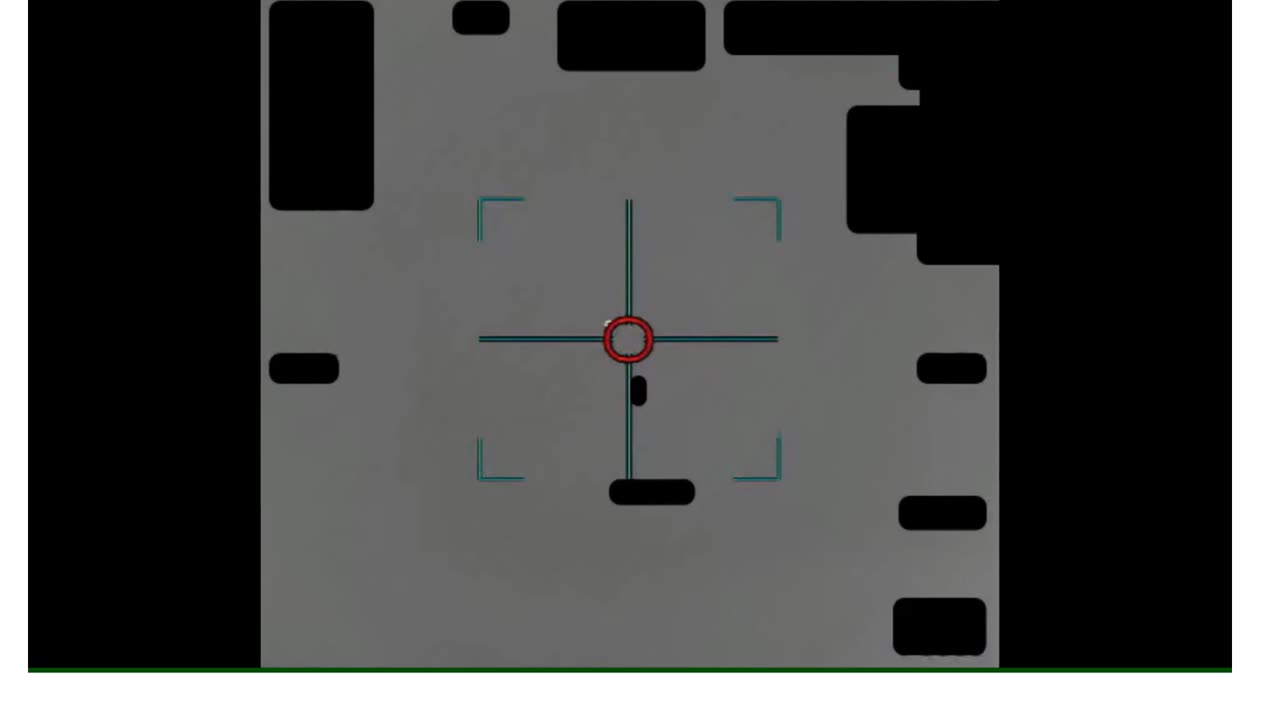
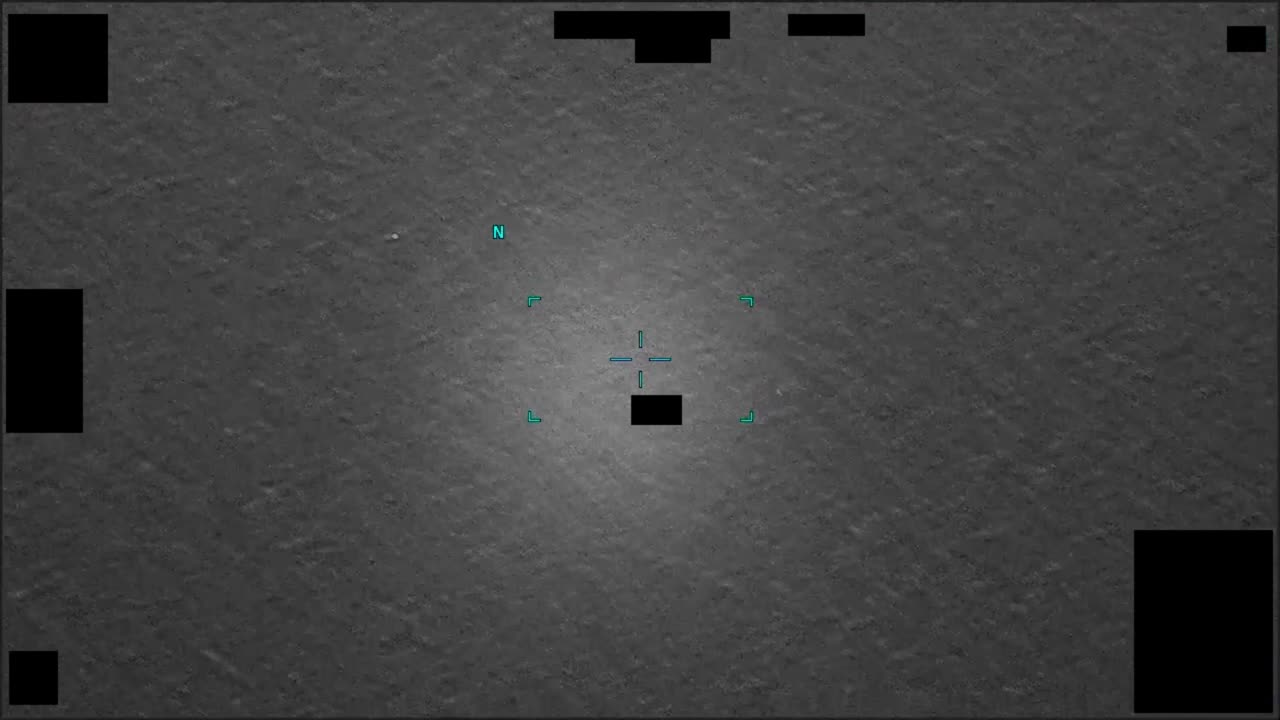
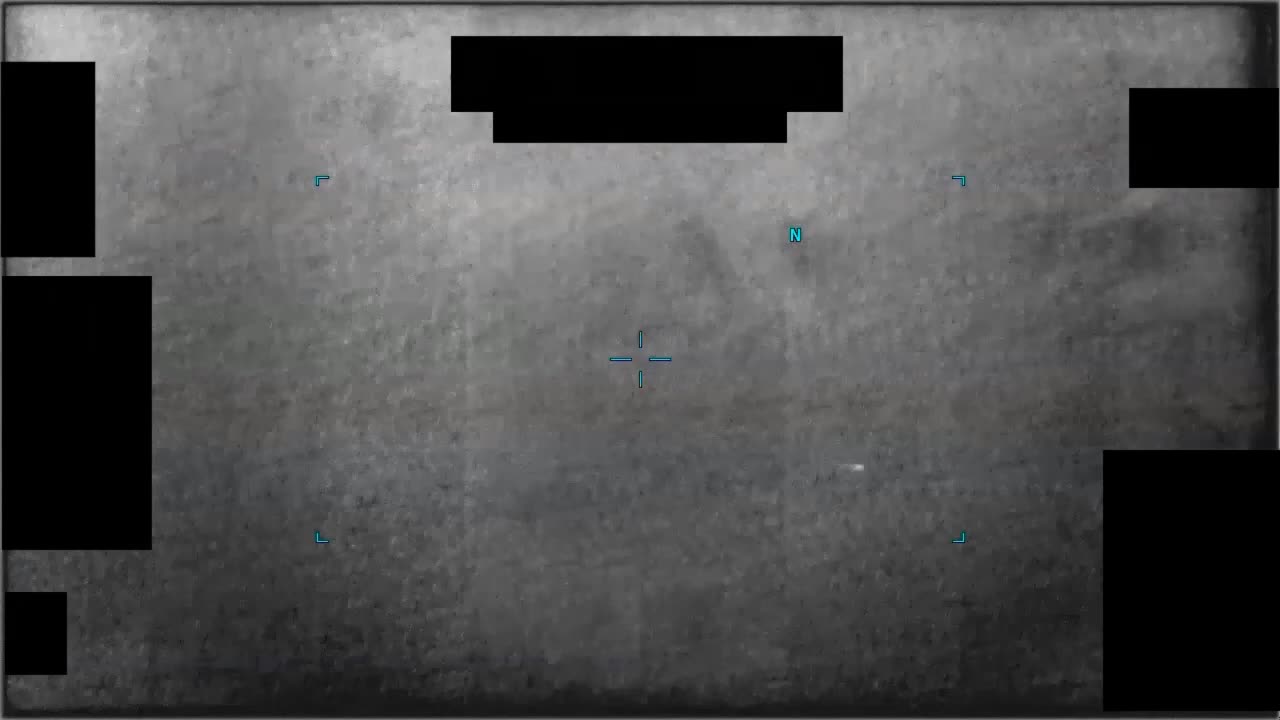
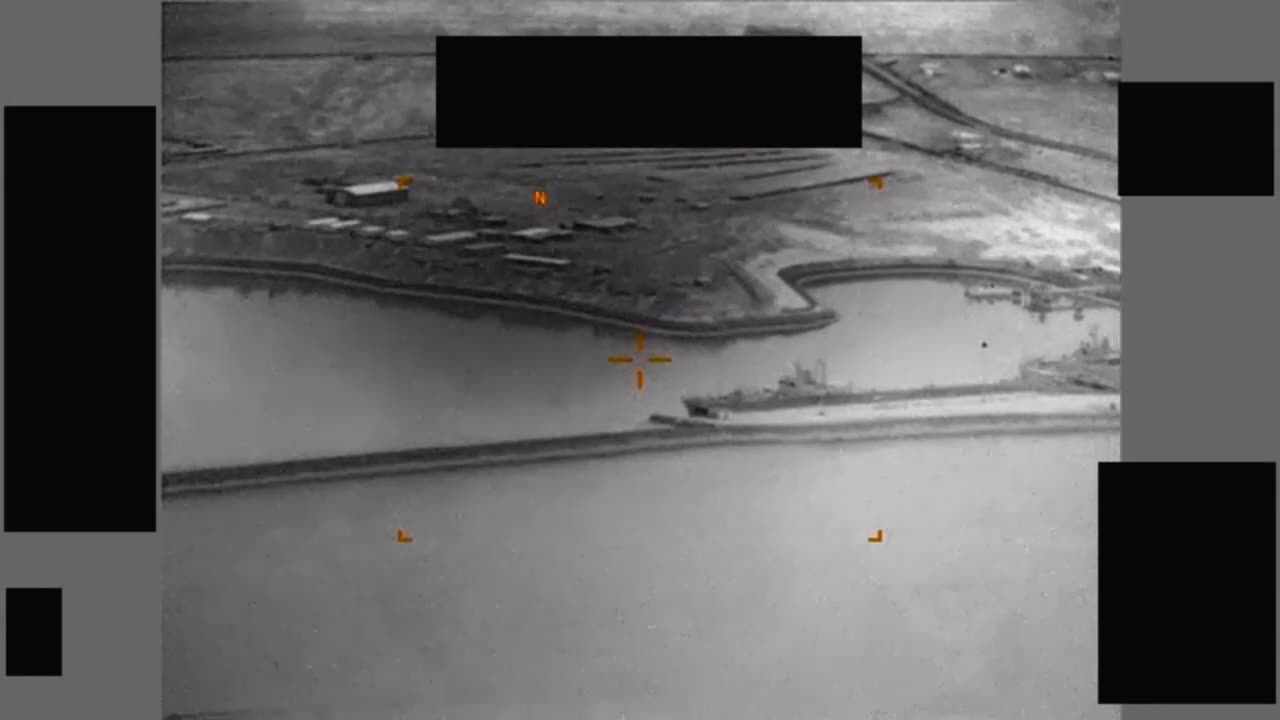
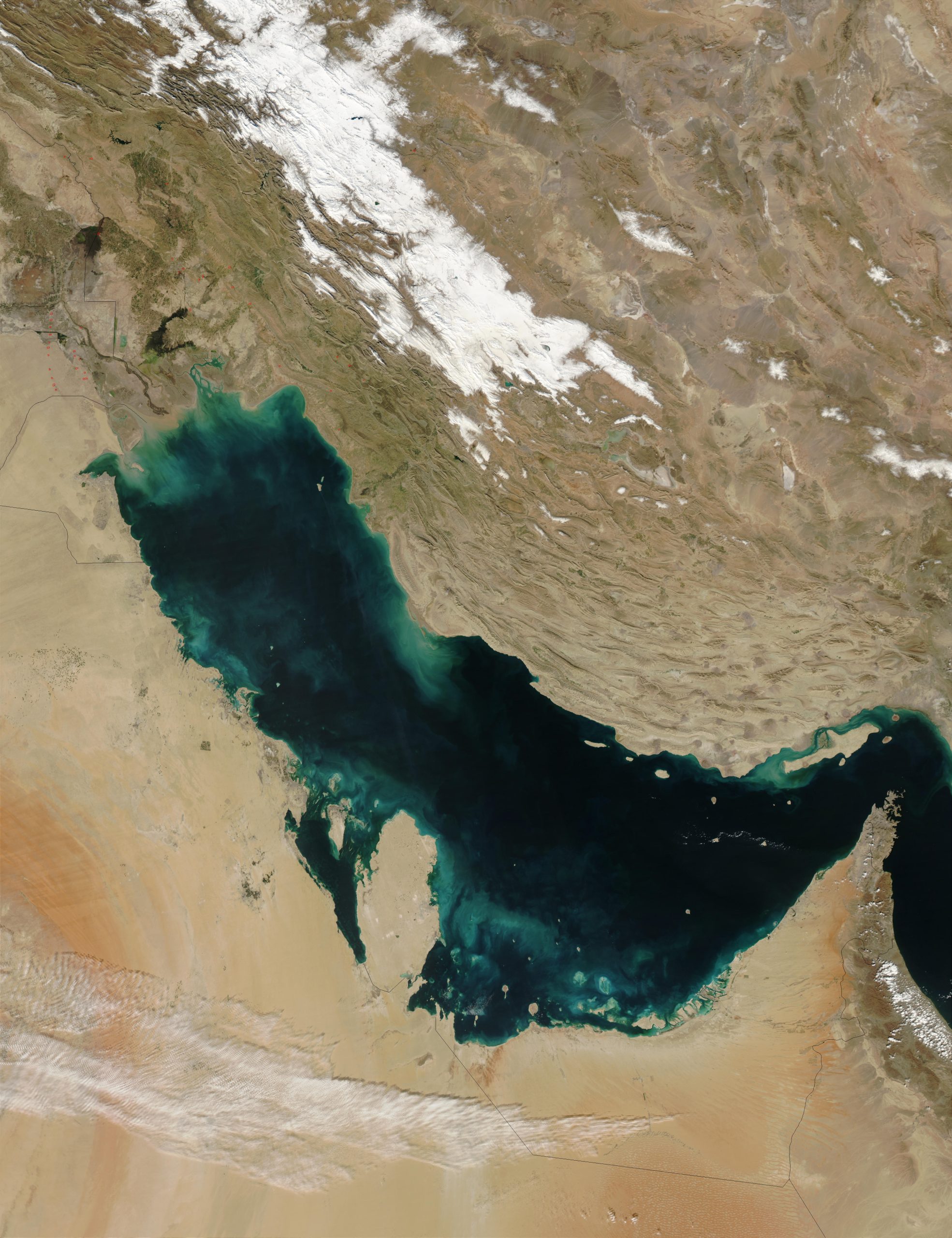
A newly declassified U.S. Department of War mission report describes a U.S. military operator observing a “formation of unknown flying objects” over the Persian Gulf in August 2020, according to records released under the PURSUE archive.
The document, titled “DOW-UAP-D61, Mission Report, Persian Gulf, August 2020,” was released by the Department of War on May 8, 2026, and details an incident that occurred on August 27, 2020. According to the official description accompanying the release, the report is a standardized Mission Report (MISREP) form used by the U.S. military to record operational circumstances, including reports of Unidentified Anomalous Phenomena (UAP) submitted to the All-domain Anomaly Resolution Office (AARO).
The report’s narrative states that at 1527Z (Coordinated Universal Time), the operator “observed IX UNK I FORMATION,” which the document’s general text section clarifies was a “formation of unknown flying objects” traveling northeast to northwest along the coast for approximately two minutes. The report notes that light cloud coverage “prevented the continuous tracking of the formation.”
The Department of War’s official summary cautions that all descriptive and estimative language in the report reflects the reporter’s subjective interpretation at the time of the event. The summary states that such characterizations “should not be interpreted as a conclusive indication of the presence or absence of any intrinsic object features or performance characteristics.”
Document Details and Operational Context
The declassified document, a PDF originally hosted at war.gov, is a multi-page MISREP form with the identifier “Misrep 4685903.” It was declassified on January 22, 2026, by Major General Richard A. Hamson, USCENTCOM Chief of Staff. The report indicates the mission was an Air Force operation under the 609th Operations Center, originating from the 482nd Air Expeditionary Squadron (482ATKS) and the 432nd Air Expeditionary Wing. The mission type is listed as “AREC,” and the aircraft took off from a location with the ICAO code “OKAS” at 2307Z on August 26, 2020, landing back at the same location at 2012Z on August 27, 2020, for a total mission time of 21 hours and 5 minutes.
The narrative portion of the report, while heavily redacted, provides a timeline of the mission. It notes that the operator collected signals intelligence (SIGINT) and supported NAVCENT operations in the “ARABJAN GULF, STRAIT OF HORMUZ AND GULF OF OMAN.” At 0532Z, the operator received a “GUARD CALL,” a standard emergency frequency communication. The UAP observation occurred at 1527Z. The report also notes that full motion video (FMV) from the mission was “exploited by DGS 1,” a Distributed Ground Station unit.
The document’s “Gentext” section, which typically contains qualitative information, includes a timeline of events, but the specific narrative of the UAP observation is not fully detailed in the released excerpt. The official description notes that the GENTEXT section often contains “important qualitative, contextual information, distinguishing it from the more quantitative, or numerical, data found elsewhere in the report.”
Institutional Context and What Remains Unknown
Per a Wikipedia summary of the All-domain Anomaly Resolution Office, AARO is the office within the U.S. Office of the Secretary of Defense that investigates UAP. Its first director was physicist Sean Kirkpatrick, and its current director is Jon T. Kosloski. The Department of War document explicitly notes that MISREPs are used by military services to report UAP to AARO.
The document’s release is part of the PURSUE archive, a Department of War initiative to declassify and publish records related to UAP. The record’s official summary offers limited detail beyond the operator’s observation, noting that the report is a subjective interpretation and not a conclusive assessment of the objects’ characteristics or performance.
Key questions remain unanswered by the released document. The report does not specify the type of aircraft involved, the exact nature of the “unknown flying objects,” or whether any sensor data beyond the operator’s visual observation was captured. The document’s heavy redactions, particularly of the operator’s name and specific mission details, obscure further analysis. Readers should watch for future PURSUE releases, which may include additional sensor data, radar logs, or intelligence assessments that could provide a more complete picture of the August 2020 incident over the Persian Gulf.