View original document (3.2 MB)
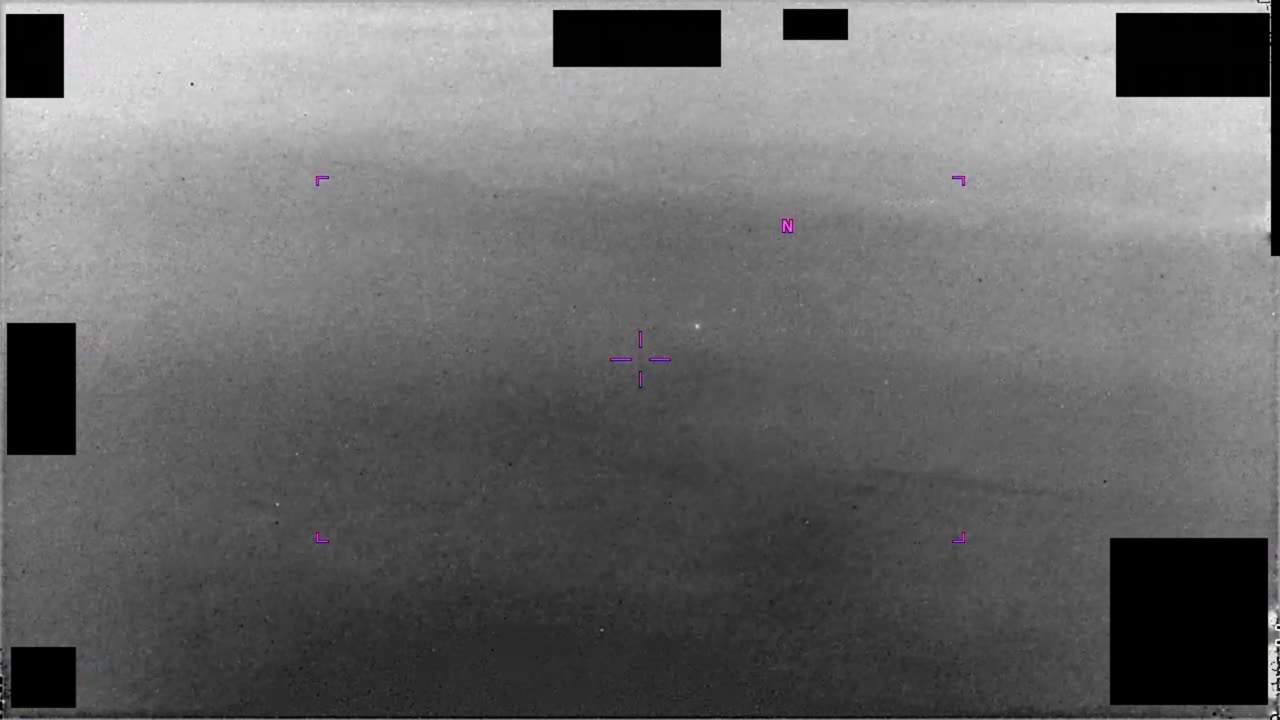
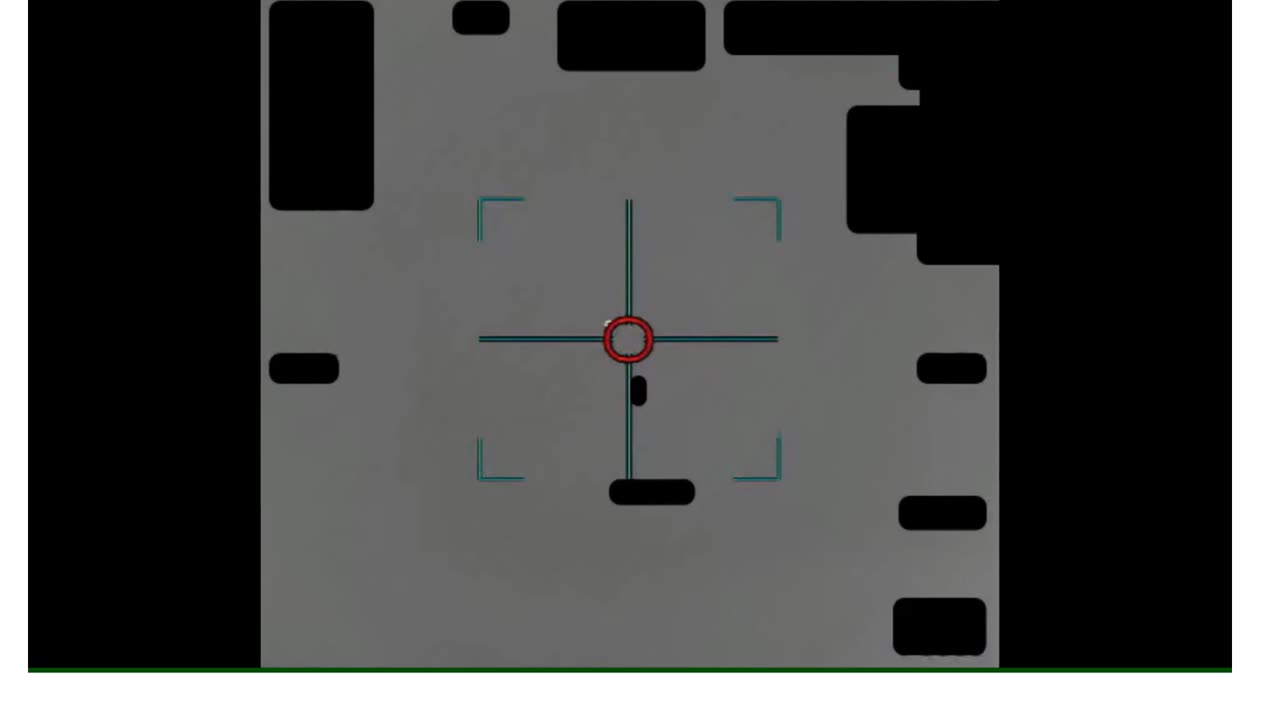
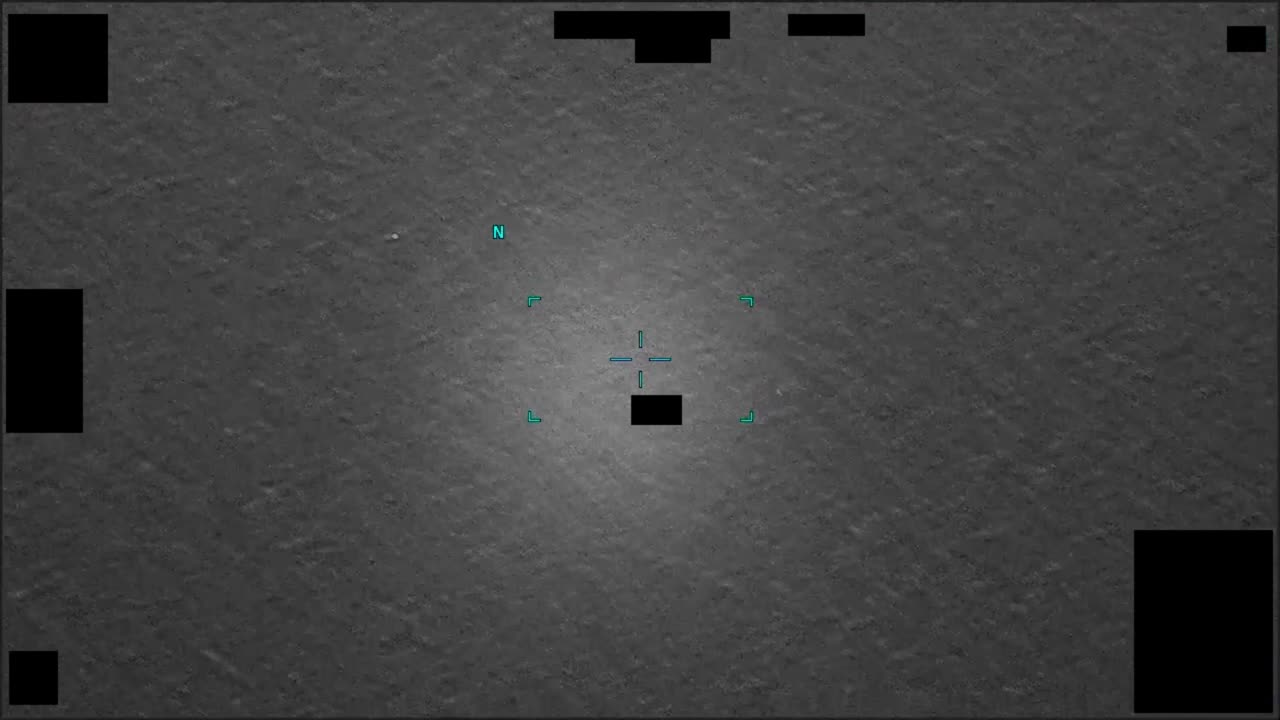
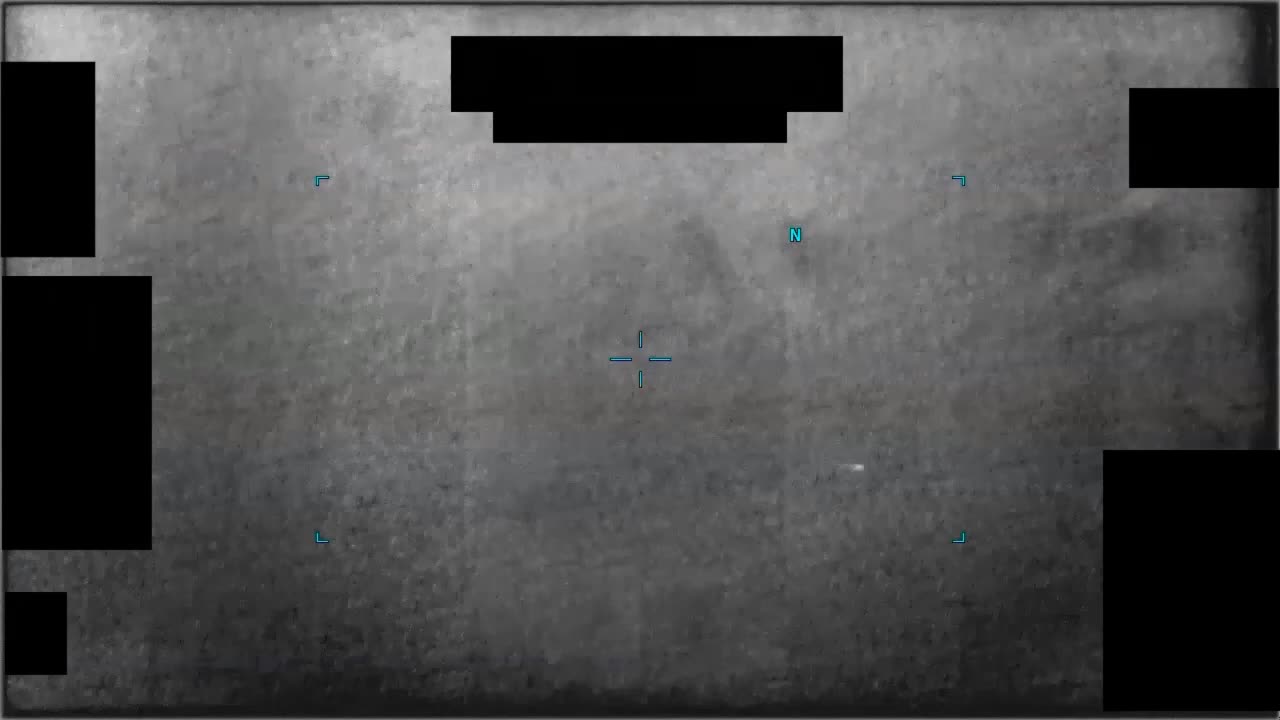
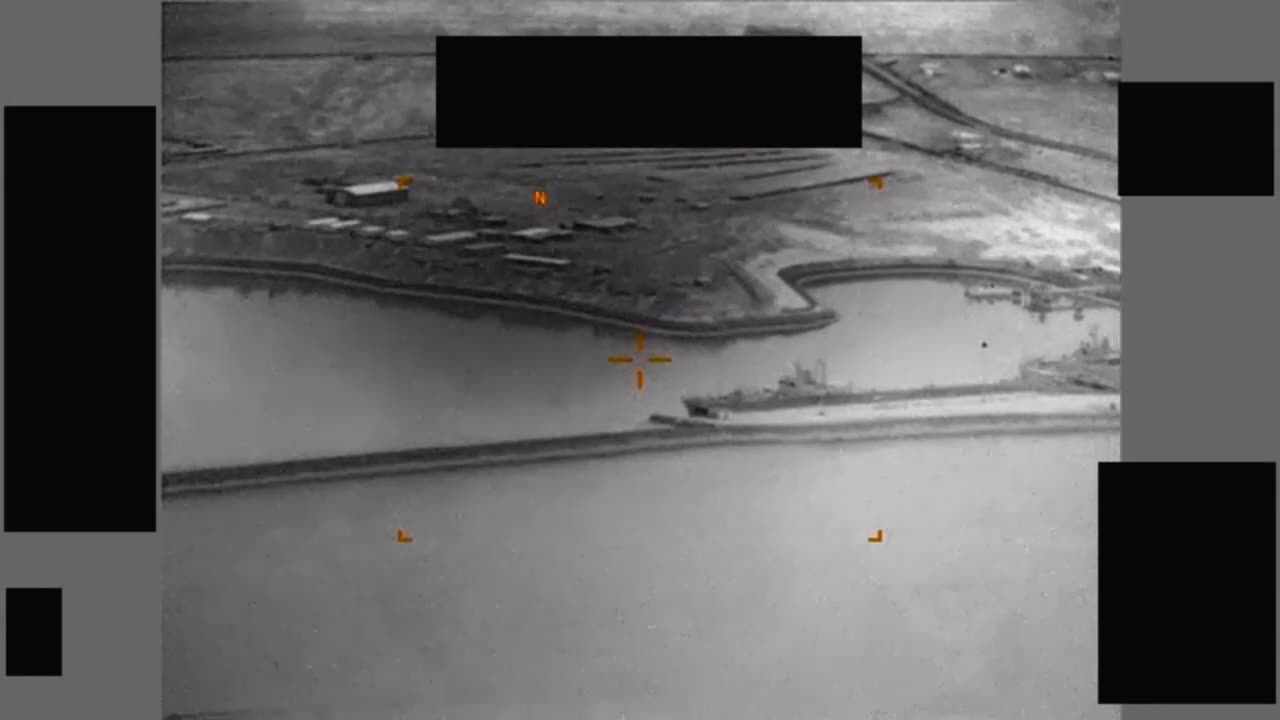
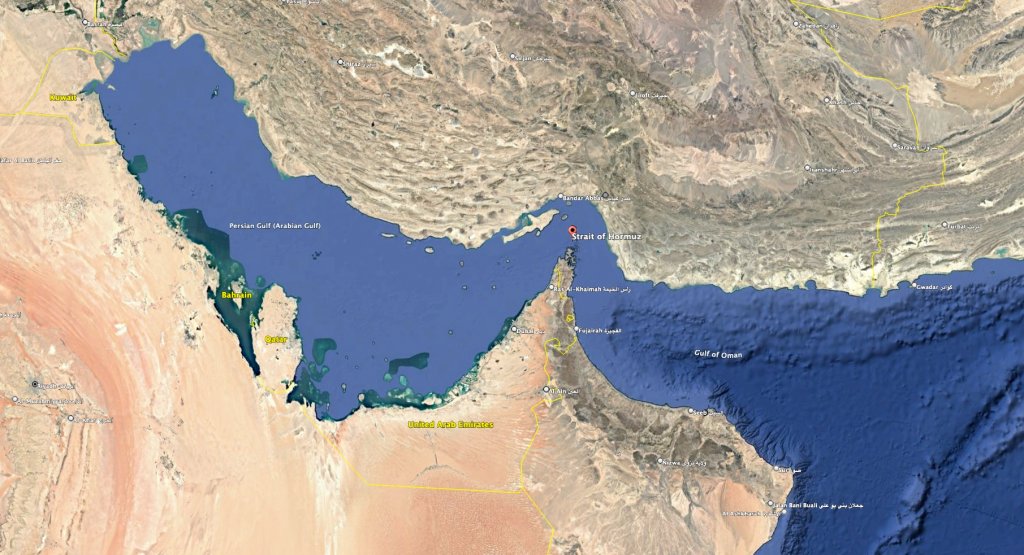
According to the Department of War document, titled ‘DOW-UAP-D63, Mission Report, Strait of Hormuz, October 2020’, a U.S. military operator reported observing a UAP in the Strait of Hormuz on October 1, 2020. The document, released by the U.S. Department of War under the PURSUE archive on May 8, 2026, provides a standardized reporting form, known as a Mission Report (MISREP), which is used by the U.S. Military to record the circumstances surrounding its operations, including reports of Unidentified Anomalous Phenomena (UAP).
The official description of the document notes that the GENTEXT section, or “general text” section, contains important qualitative and contextual information, distinguishing it from the more quantitative data found elsewhere in the report. However, the record’s official summary offers limited detail beyond the fact that a UAP was observed, and all descriptive language contained in the report reflects the reporter’s subjective interpretation at the time of the event.
The Department of War document is significant as it is one of the reports used by the All-domain Anomaly Resolution Office (AARO), an office within the United States Office of the Secretary of Defense that investigates unidentified flying objects (UFOs) and other phenomena. Per Wikipedia’s entry on AARO, the office is responsible for investigating UAP in the air, sea, and/or space and/or on land, and its current director is Jon T. Kosloski.
Context and Significance
The release of the DOW-UAP-D63 document under the PURSUE archive provides insight into the U.S. military’s reporting and investigation of UAP. The document’s standardized format and the inclusion of qualitative and contextual information demonstrate the military’s efforts to systematically record and analyze UAP sightings. According to the Department of War records released under PURSUE, the report is one of many used by AARO to investigate and resolve anomalies.
Wikipedia’s entry on AARO notes that the office was established to investigate UAP and other phenomena, and its first director was physicist Sean Kirkpatrick, who reported to then deputy defense secretary Kathleen Hicks. The current director, Jon T. Kosloski, continues to lead the office’s efforts in investigating and resolving anomalies. The release of the DOW-UAP-D63 document and other similar reports under the PURSUE archive may provide further insight into the work of AARO and the U.S. military’s approach to investigating UAP.
Unanswered Questions and Future Releases
While the release of the DOW-UAP-D63 document provides some insight into the U.S. military’s reporting and investigation of UAP, many questions remain unanswered. The document’s limited detail and subjective language leave room for interpretation, and the lack of conclusive evidence or explanation for the observed UAP leaves many questions unanswered. Readers should watch for future PURSUE releases, which may provide further insight into the U.S. military’s approach to investigating UAP and the work of AARO.
As the U.S. Department of War continues to release documents under the PURSUE archive, the public may gain a better understanding of the U.S. military’s efforts to investigate and resolve anomalies. The release of the DOW-UAP-D63 document is a significant step towards transparency, and future releases may provide further insight into the mysterious phenomenon of UAP. For now, the document remains an important piece of the puzzle, offering a glimpse into the U.S. military’s approach to investigating the unknown.