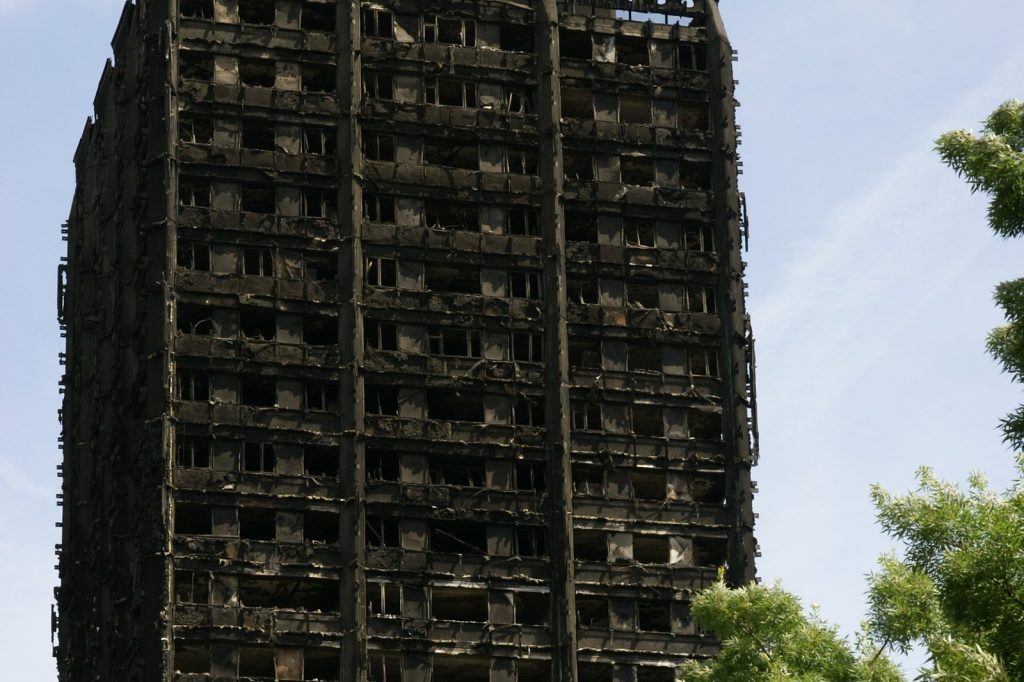
The second phase of the Grenfell Tower inquiry resumes on 24 February 2020, shifting focus from the fire’s mechanics to the decisions that led to the installation of combustible materials on the 24-storey building. The first phase, completed in 2019, established that a fridge-freezer fire on the fourth floor spread through a window and ignited the external cladding system. That blaze killed 72 people and injured 70 others. Inquiry chairman Sir Martin Moore-Bick has signaled the high stakes of this new phase.
In a 30 January letter to Attorney General Geoffrey Cox, made public on 12 February, Moore-Bick requested that no immunity be granted to witnesses. He warned that employees of cladding manufacturers and sellers would likely invoke the privilege against self-incrimination when questioned about “how they came to market potentially dangerous products.” The letter lists suspected offences under three laws: the Fraud Act 2006, the Health and Safety at Work Act 1974, and the Corporate Manslaughter and Corporate Homicide Act 2007.
The Crown Prosecution Service has confirmed a dedicated team is reviewing evidence as it is disclosed, keeping charges as a live option. Internal documents already held by the inquiry show alarm within two key suppliers. Emails from insulation maker Celotex and cladding supplier Arconic reveal internal concern about the polyethylene-filled panels and polyisocyanurate foam that turned a kitchen fire into a tower-wide inferno.
This phase examines board-level decisions rather than site-level mistakes. The inquiry seeks to identify who signed off marketing claims, approved sales pitches, and decided that products with flammable cores were safe for a residential high-rise.
The fraud and conspiracy evidence described by Moore-Bick suggests prosecutors believe those decisions may have been criminal. For families of the 72 dead, this phase assigns responsibility in a forum where every word can be used in a criminal trial. Witnesses cannot be compelled to incriminate themselves, which is why Moore-Bick pushed for no immunity.
Silence in this context serves as its own form of testimony. The Fraud Act covers false representations.
The Health and Safety Act covers failures that expose people to risk. The Corporate Manslaughter Act covers management failures that cause death. Any of these could apply to companies that marketed dangerous products or contractors that installed them without proper checks.
No charges are expected immediately when hearings resume. The CPS team is collecting evidence, the inquiry will produce a report, and prosecutors will then decide.
However, Moore-Bick’s letter to Cox makes clear that existing evidence is serious enough to trigger a formal warning. The refurbishment of Grenfell Tower involved multiple contractors, suppliers, and oversight layers. The inquiry will test each layer: who knew the cladding was flammable, who knew the insulation was combustible, who signed off the design, and who certified the installation.
The answers will determine whether anyone faces a criminal trial. Celotex and Arconic remain in focus, with their internal emails already public.
Their employees will be called to give evidence, and the inquiry chairman has made clear they will face hard questions about marketing potentially dangerous products. The Attorney General has been informed that the answers may be used in court.