In a notable turn of events, a program designed to attract global intellectual elite to China, known as the “Thousand Talents Plan,” has found itself under scrutiny. The program, offering lucrative remuneration, lab space, and prestige to top scientists, has raised red flags for the U.S. government.
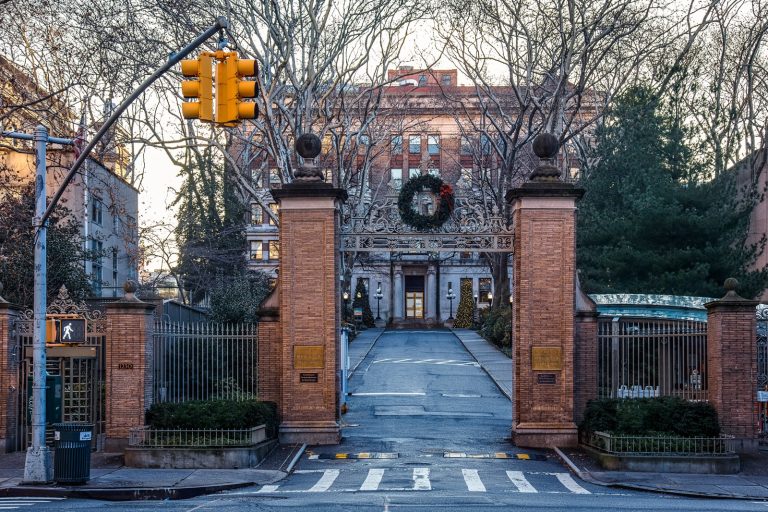
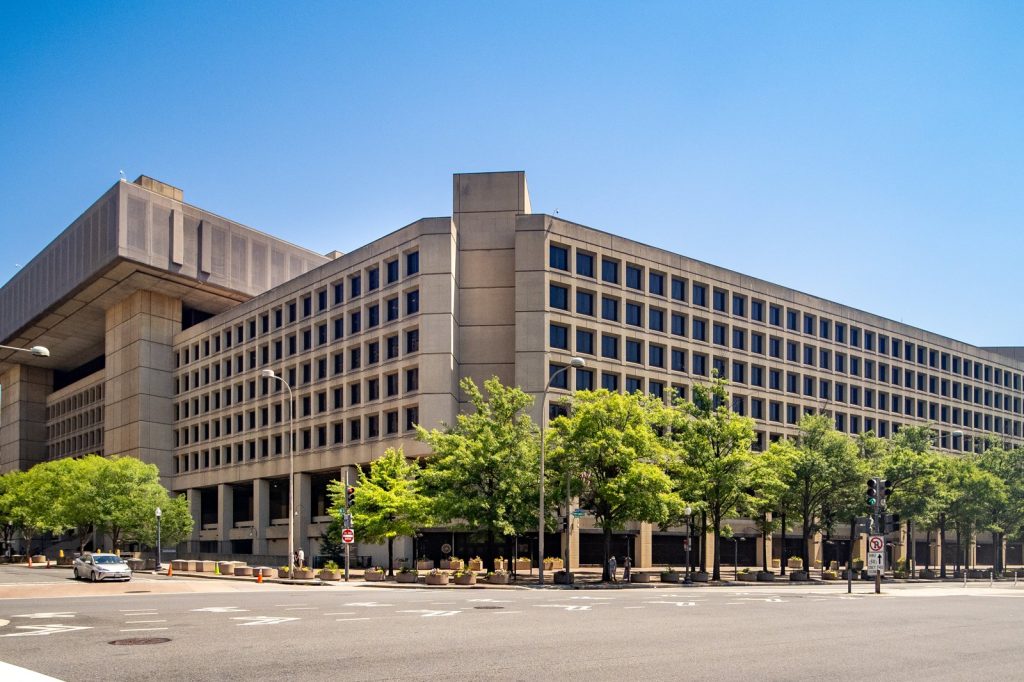
Two scientists, linked to this program, were arrested by federal agents on February 7, 2020. One was Charles Lieber, a distinguished chemistry professor at Harvard University, and the other was Li Xiao-Jiang, a neuroscientist who previously served at Emory University’s medical school. Both have been charged with fraudulent activities.
The allegations against these scientists involve concealing their work with Chinese institutions from American funders. For years, U.S. officials have expressed concerns that the Thousand Talents Plan serves as a conduit for economic espionage, recruiting foreign experts, many from the U.S., to bolster Chinese research in fields such as biotechnology, artificial intelligence, and materials science.
Critics claim this program coerces scientists to share knowledge, sometimes without informing their American employers. The case of Li Xiao-Jiang appears straightforward on paper. According to the complaint, he held a position at the Chinese Academy of Sciences’ Institute of Genetics and Developmental Biology while receiving funds from three NIH grants.
In 2015, he received approximately $92,000 in wages from these grants. During the same year and extending into 2016, the Chinese Academy paid him $80,000.
Li failed to disclose his Chinese employment to the NIH. The Justice Department alleges that he misappropriated salary and additional benefits from the U.S. government, a clear breach of trust, according to them. The case of Charles Lieber is more complex.
He is accused of lying to the U.S. Defense Department about his involvement in the Thousand Talents Plan. The charges do not suggest he stole research.
Instead, they claim he hid his affiliation. This distinction is significant. The government aims to prove intent, that Lieber was aware of the rules and chose to disregard them.
Both men maintain ties with China and have been funded by American taxpayers. Prosecutors argue that they violated the law by keeping their two professional worlds separate.
The arrests occurred during a broader crackdown. The Trump administration had been urging universities and research hospitals to disclose foreign ties. As a result, federal grant applications now require extensive reporting on outside appointments. The NIH launched audits, and several universities initiated internal investigations.
Some scientists chose to withdraw from Chinese programs, while others faced termination. The arrests, however, also sparked difficult questions.
What level of collaboration between U.S. and Chinese research is acceptable? Where should the line be drawn between collaboration and theft? The Thousand Talents Plan is openly advertised, and many American scientists have joined it willingly.
Some, however, have chosen not to. Li and Lieber are not the first to be charged, and they are unlikely to be the last.
The Justice Department has stated its intention to continue pursuing scientists who conceal foreign ties. The message is clear: accept American money, follow American rules. As of now, both men are awaiting trial.
Their careers and the future of U.S.-China scientific cooperation hang in the balance. Trust is dwindling, and rebuilding it once it’s lost can be challenging.
Related Stories
Two Scientists Accused of Hiding Ties to China Face Fraud Charges in the U.S. US Arrests Two Scientists Accused of Concealing Chinese Ties #TwoScientistsArrested #ChinaThousandTalents #Probe #Politics #News