A Permanent Ban for Goldman Sachs Executive Andrea Vella
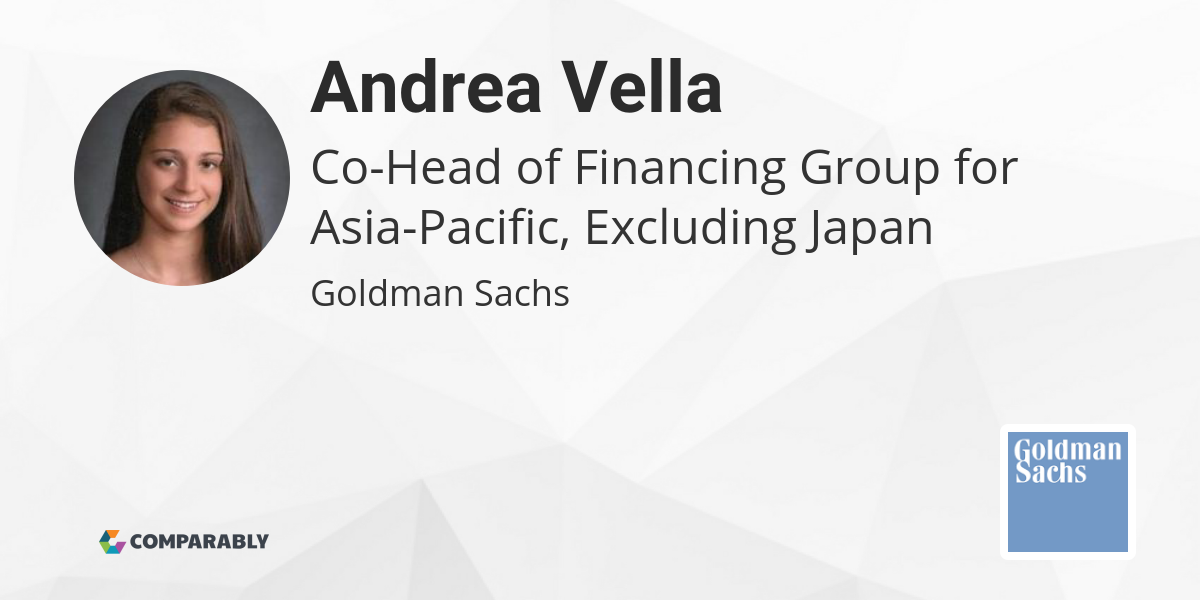
The US Federal Reserve Board has issued a permanent order barring Andrea Vella, a senior executive at Goldman Sachs Group, from participating in any banking or securities-related activities. This disciplinary action stems from his involvement in a massive financial fraud centered on 1Malaysia Development Berhad (1MDB), a sovereign wealth fund that became the focal point of one of the most significant corruption scandals in modern history. The enforcement action was finalized in February 2020, following years of investigation into how billions of dollars were misappropriated through complex bond offerings. Regulators determined that Vella engaged in unsafe and unsound practices by failing to disclose critical information regarding Malaysian financier Low Taek Jho’s involvement in these transactions, despite the firm already flagging him as a person of known concern.
The Failure to Disclose Known Risks
According to documents released by the Federal Reserve, Andrea Vella held significant responsibility for ensuring that full and accurate information was provided to Goldman Sachs committees reviewing the complex financing structures involved in the 1MDB deals. His specific failure lay in his inability or refusal to adequately supervise personnel working on these transactions while ignoring red flags regarding Low Taek Jho. The regulators noted that Vella knew Low was a person of known concern to the bank yet proceeded without full disclosure of Low’s alleged role in orchestrating the bond issues. This omission allowed the firm to facilitate financing for entities linked to corruption, effectively bypassing internal risk controls designed to prevent such exposures.
The Federal Reserve statement explicitly outlined the scope of Vella’s duties, stating that he was responsible for providing full and accurate information to committees reviewing complex financing transactions and appropriately supervising financing personnel working on those transactions. By failing to act on this responsibility, Vella violated federal laws governing safe and sound banking practices. The agency concluded that his actions constituted a breach of fiduciary duty and contributed to the erosion of market integrity during a period when oversight mechanisms were under intense scrutiny.
Legal Defense and Settlement Terms
Andrea Vella remains unavailable for comment regarding the specific details of the ban, but his legal representation has issued a statement outlining the rationale behind accepting the settlement terms. The defense team argued that the Federal Reserve did not allege that Mr. Vella knew anything about the bribes and kickbacks allegedly paid by others involved in the scheme, nor did the regulator seek to impose a monetary fine. Instead, the penalty was strictly an industry-wide ban designed to protect the public from future misconduct by individuals with similar histories of negligence or complicity.
The lawyer explained that the agreement to accept this limited settlement was necessary to end proceedings against Vella that greatly affected his family and allowed him to move forward professionally without the burden of prolonged litigation. This approach is common in regulatory enforcement where regulators prioritize swift action to remove problematic individuals from the industry while avoiding excessive financial penalties that might not correlate directly with individual culpability in cases involving large, decentralized fraud rings. The settlement effectively acknowledges that while Vella may not have orchestrated the theft personally, his failure to intervene or disclose known risks made him complicit in the broader systemic failure.
Broader Implications for Goldman Sachs and 1MDB
The ban on Andrea Vella is part of a wider crackdown involving multiple former colleagues who have also been barred from the securities industry for similar roles in looting funds from 1MDB. Past Goldman executives Tim Leissner and Roger Ng were criminally charged over bribery and money laundering cases that victimized government officials in Malaysia, highlighting a pattern of behavior within the firm during this specific period. These cases illustrate how the bank allegedly facilitated the movement of stolen funds through sophisticated financial engineering that obscured the true nature of the underlying assets.
The New York-based investment bank is currently engaged in ongoing discussions with the US Department of Justice over a settlement for its role in the bond deals where it allegedly sacrificed about $600 million in earnings to avoid criminal charges. This massive financial sacrifice show the severity with which regulators view the firm’s conduct during the 1MDB scandal. Both Malaysian and US authorities have accused Low Taek Jho of masterminding the theft of billions from 1MDB, an initiative originally set in motion by former Malaysian Prime Minister Najib Razak, who remains under investigation for pocketing government funds.
Two former colleagues of Vella have also been banned in the securities industry for engaging in similar roles and helping to loot funds from 1MDB. Their inclusion in this wave of sanctions reinforces the message that regulators are not merely punishing individual executives but are targeting the entire ecosystem of individuals who enabled the fraud through negligence or willful blindness. The Federal Reserve’s actions serve as a stark warning to other financial institutions that compliance with internal risk management protocols is non-negotiable, even when dealing with high-profile clients or politically sensitive transactions.
The enforcement action against Vella marks a definitive end to his career in finance and is a cautionary tale for the industry at large. It demonstrates that regulators will pursue accountability regardless of the complexity of the financial instruments involved or the stature of the institution employing the offending individual. As the Justice Department continues its negotiations with Goldman Sachs, the fallout from this scandal is expected to reshape compliance standards across global banking sectors for years to come.