On March 19, 2022, high energy costs triggered unrest in parts of Europe, particularly in Spain, France, and Greece, as Russia’s war in Ukraine further pushed up costs for oil and natural gas, driving record inflation and making it expensive for farmers and truckers to fuel their equipment and vehicles. In Spain, the government deployed over 23,000 police officers to escort convoys of trucks along the country’s highways and held back picketers, while farmers in France and Greece snarled traffic with their protests. The situation was exacerbated by a truckers’ strike over high fuel prices and other grievances, which was called by a group of mostly self-employed truckers.
the impact of russia’s war in ukraine
Russia’s war in Ukraine has worsened an energy supply crunch that has driven up costs for households and businesses in Europe, which is heavily dependent on Russian oil and natural gas. According to Spanish Finance Minister Maria Jesus Montero, the strike amounts to “extortion which the far-right is exploiting to prevent produce and food being distributed.” However, the striking truckers deny far-right links, stating that the government “is trying to criminalize and place ideological labels on a sector, which only wants to live from its work and which feels excluded and disrespected by the country’s leaders.” The Platform for the Defense of the Road Transport Sector, which called the strike, says it appeared spontaneously in 2008 and was created by six truckers in Spain’s northwest Galicia region who were disaffected with national trucking associations.
protests and unrest
The self-employed truckers are flexing their economic muscle with the strike, using the walkout to pressure the government into giving in to their demands on a range of issues, including better working conditions, such as retirement at age 60, and higher pay for hauling loads, which they claim does not cover their costs due to rising fuel prices. Businesses in the cement, mining, and dairy sectors are among those warning that their stocks are running low or they are having trouble distributing their goods. In France, which has seen scattered protests this week against soaring fuel prices, a convoy of about 20 farmers on their tractors in the western Brittany region protested by driving slowly down a highway and blockading a traffic circle, creating tailbacks to draw attention to their plight. French road haulers and fishing crews have set up temporary barricades in recent days, using their vehicles and burning palettes to block roads.
government response
The Spanish government says it plans to introduce measures against high energy and fuel prices later this month. Farm Minister Luis Planas stated, “The provision of food and basic services is not a trivial matter, It’s a constitutional issue which has to do with freedom of movement.” The government has also deployed police units at junctions and logistics hubs and escorted convoys to ensure supply chains keep working. However, the situation remains tense, with picketers throwing burning tires onto a highway in northwestern Spain overnight, and police making at least two arrests. The attacks by roadside picketers this week in Spain have allegedly included throwing rocks at trucks on the road, tearing cargo tarps, and puncturing truck tires, as well as threatening working drivers with violence.
regional implications
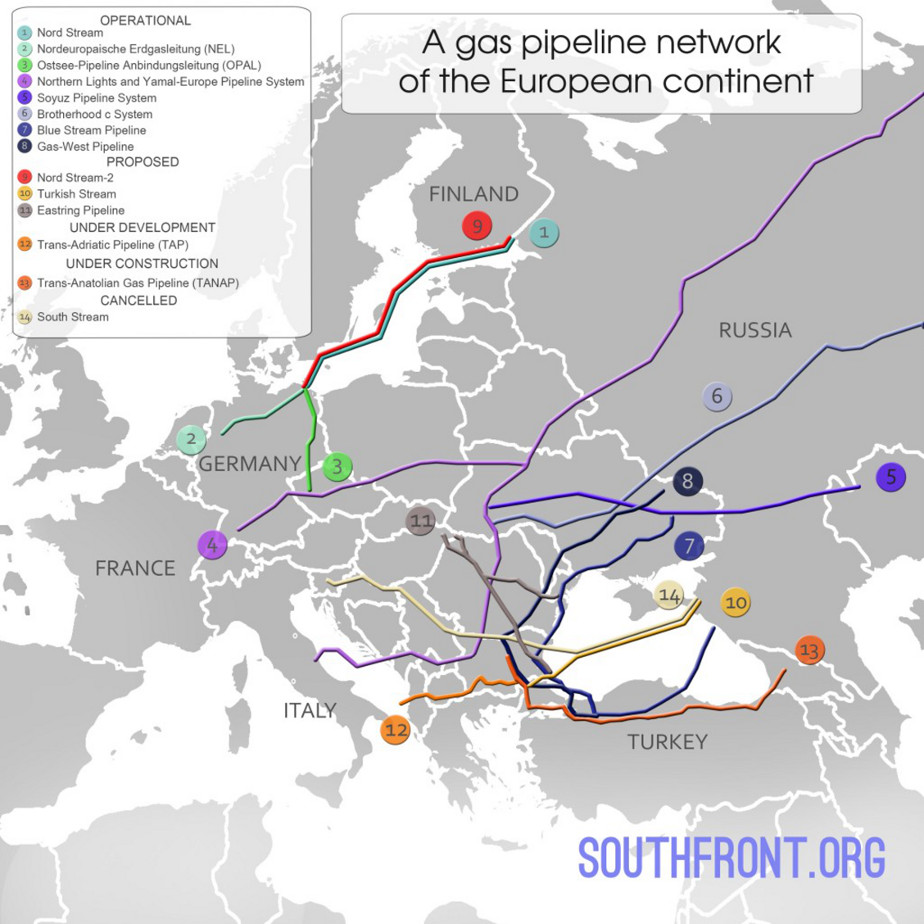
The unrest in Spain, France, and Greece has regional implications, with the European Union facing a major energy crisis due to its dependence on Russian oil and natural gas. The EU has been trying to reduce its reliance on Russian energy, but the process is slow, and the war in Ukraine has exacerbated the situation. The high energy costs are also affecting other sectors, such as agriculture and manufacturing, which are struggling to cope with the rising costs of fuel and raw materials. As the situation continues to unfold, it remains to be seen how the EU will address the energy crisis and the unrest it has triggered in parts of Europe. According to a statement by the European Commission, “The EU is committed to supporting its member states in addressing the energy crisis and ensuring the stability of the internal market.” However, the commission has also warned that the situation is complex and will require a coordinated effort from all member states to resolve.
The situation in Europe remains volatile, with the high energy costs and the war in Ukraine continuing to drive inflation and unrest. The Spanish government’s plans to introduce measures against high energy and fuel prices later this month may help to alleviate the situation, but it is unlikely to resolve the underlying issues. The EU’s dependence on Russian oil and natural gas, combined with the rising costs of fuel and raw materials, has created a perfect storm that is affecting not only the trucking and farming sectors but also the broader economy. As the EU struggles to address the energy crisis, it is clear that the situation will have far-reaching implications for the region and its people.