The European Union’s ambition to double its share of global chip production by 2030 just got its first major corporate backer. Intel’s plan to spend up to 80 billion euros across Europe over the next decade is the kind of concrete investment that turns policy into factories. But the announcement, made Tuesday from London, raises immediate questions about what happens next — and whether the continent can actually pull this off.
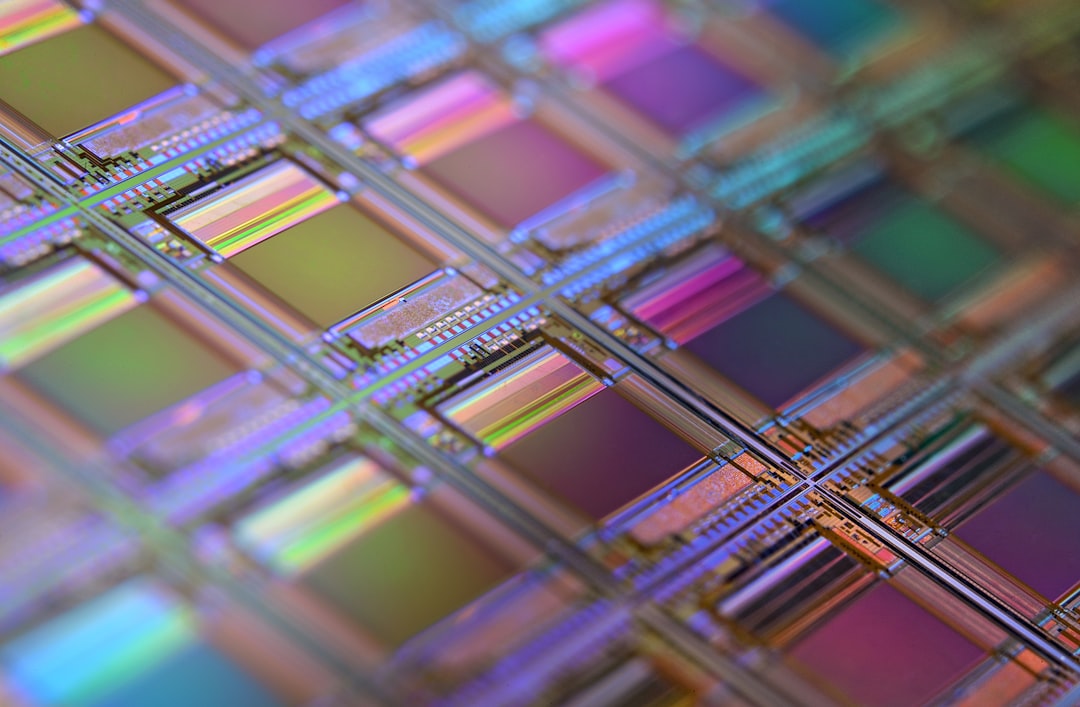
The numbers are staggering. $88 billion. Ten years. Four countries. Germany gets the first big piece: a 17 billion euro “mega-site” in Magdeburg for leading-edge semiconductor fabrication. That is a fab, in industry shorthand — the kind of high-tech factory the world has too few of right now. Ireland, France, and Italy will host other production sites and research centers. Intel CEO Pat Gelsinger said the company is spending along “the entire semiconductor value chain.” He did not offer details on how many jobs that means, or exactly when each site breaks ground.
Here is the core problem Intel is trying to solve. The world ran out of chips. Demand surged after the COVID-19 pandemic. Supply did not keep up. Bottlenecks hit everything: cars, smartphones, game consoles. The global semiconductor supply chain is lopsided, heavily dependent on Asian manufacturers. Europe wants a bigger slice. EU leaders last month passed a $47 billion “Chips Act” to make that happen. Intel’s plan is the first big test of whether that law can actually lure private capital.
European Commission President Ursula von der Leyen called the announcement “the first major achievement” under the Chips Act. She predicted it “will pave the way for more companies to follow suit.” That is the hope. The EU wants to go from roughly 10 percent of global chip production today to 20 percent by 2030. That is a steep climb. One company’s investment, even one this large, does not get you there alone.
Intel is bringing its most advanced technology to Europe. That matters. The company said it wants a “more balanced and resilient” supply chain. That is diplomatic language for a simple reality: when a single earthquake or political dispute in Asia can halt chip production for months, you want alternative sources. Europe has been a net importer of advanced chips for years. That is what Intel is offering to change.
But the timeline is long. A decade. Construction alone on a leading-edge fab takes years. Then comes equipment installation, testing, certification. The chips Intel plans to make in Magdeburg will not ship for a while. The current shortage will likely ease before those factories come online. That does not make the investment pointless — it means Intel is betting on long-term demand, not a short-term spike. Gelsinger said the world has an “insatiable demand” for semiconductors. He is probably right. The question is whether Europe can build the workforce, infrastructure, and regulatory environment to support an industry that moves fast and requires extreme precision.
Germany gets the first mega-site. That is a win for Berlin. But France and Italy also get pieces. Ireland already has Intel operations. The distribution is political as well as practical. Every EU member state wants a piece of the chips pie. The Chips Act was designed to spread the benefits. Intel appears to be following that script.
Von der Leyen wants more companies to follow. That is the real test. If Intel’s move triggers a wave of investment from other chipmakers and suppliers, then Europe’s semiconductor strategy has teeth. If it remains a single, giant bet, the continent still has a long way to go. For now, Intel has put its money where the policy is. The rest is up to the market.