Explosions Rock Iranian Ports, US Military Implicated
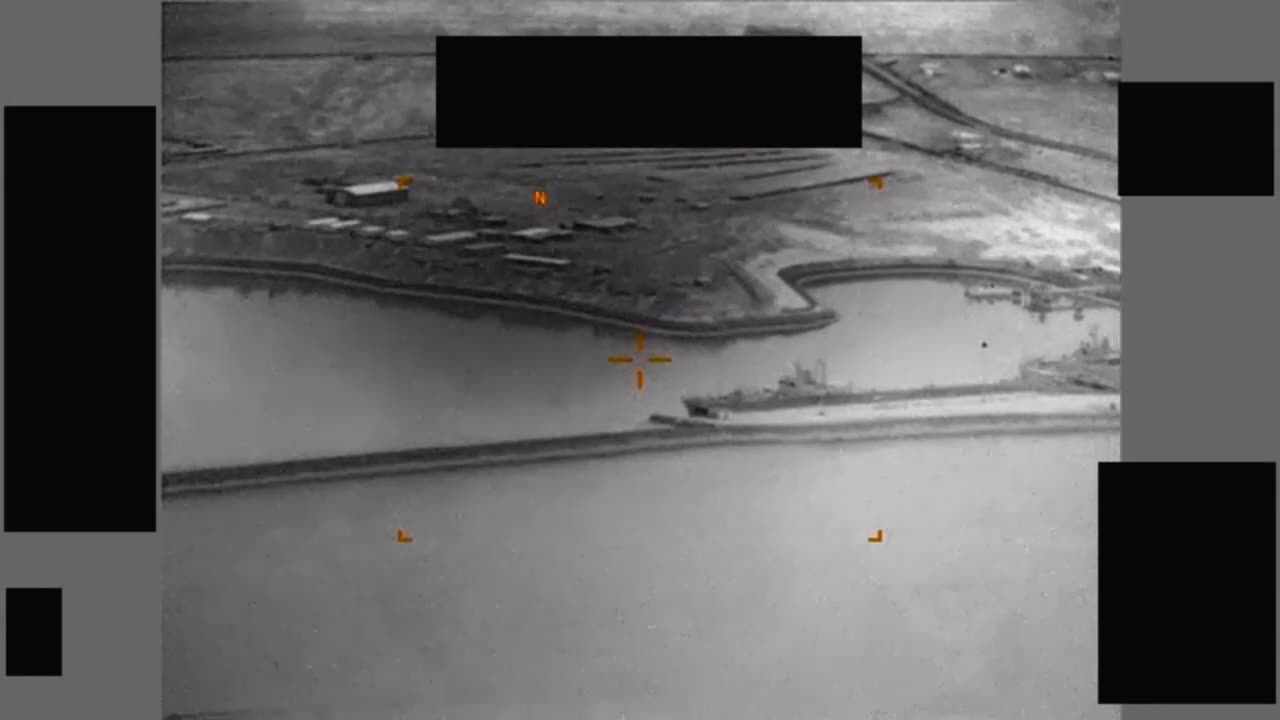
On May 7, 2026, a series of explosions shook the ports of Qeshm and Bandar Abbas in Iran’s Hormozgan province, prompting a flurry of denials and accusations from regional and global actors. Israel swiftly denied any involvement in the blasts, with officials emphasizing that they had no role in the explosions. In contrast, Fox News reporter Jennifer Griffin reported that the US military was behind the explosions, citing unnamed sources. This development has significant implications for the fragile ceasefire in the region, with officials scrambling to reassure that the explosions do not signal a restart of hostilities.
As the situation continues to unfold, US Secretary of Defense Lloyd Austin has thus far declined to comment on the matter, citing operational security concerns. However, NATO Secretary-General Jens Stoltenberg issued a statement emphasizing the alliance’s commitment to regional stability and calling for restraint from all parties involved. The AUKUS pact, comprising Australia, the UK, and the US, has also been closely monitoring the situation, with Australian Prime Minister Anthony Albanese urging calm and de-escalation. The Quad grouping, which includes the US, India, Japan, and Australia, has similarly expressed concern over the developments, with Indian External Affairs Minister S. Jaishankar stating that the explosions underscore the need for sustained diplomatic efforts to maintain regional peace.
The explosions in Qeshm and Bandar Abbas have raised concerns about the potential for miscalculation and escalation in the region, particularly given the complex web of alliances and rivalries at play. Iranian Foreign Minister Hossein Amirabdollahian has thus far refrained from directly accusing the US or its allies of involvement, instead emphasizing the need for a thorough investigation into the causes of the explosions. Chinese Foreign Ministry spokesperson Wang Wenbin has predictably condemned the blasts, calling for an end to “external interference” in the region, while Russian Foreign Minister Sergey Lavrov has echoed these sentiments, warning against the dangers of “provocation” and “aggression” in the region.
As the international community continues to grapple with the implications of the explosions, US Senator Lindsey Graham has called for a robust response to any perceived Iranian aggression, emphasizing the need for the US and its allies to maintain a strong deterrent posture in the region. Similarly, UK Defence Secretary Ben Wallace has underscored the importance of collective defense and cooperation among like-minded nations, highlighting the need for a unified response to emerging security challenges. With the situation on the ground continuing to evolve, one thing is clear: the explosions in Qeshm and Bandar Abbas have introduced a new and potentially volatile element into an already fraught regional landscape, one that will require careful diplomacy and cooperation to navigate.
On the ground in Qeshm, local officials have reported significant damage to port infrastructure, with several ships and buildings affected by the blasts. The Iranian authorities have thus far reported no casualties, although the full extent of the damage and any potential human toll remains to be seen. As the investigation into the causes of the explosions continues, the international community will be closely watching for any signs of escalation or miscalculation, with the US and its allies poised to respond to any perceived threats to regional stability. With the region already on high alert, the coming days and weeks will be critical in determining the trajectory of this emerging crisis, and the ability of regional and global actors to navigate its challenges and uncertainties.