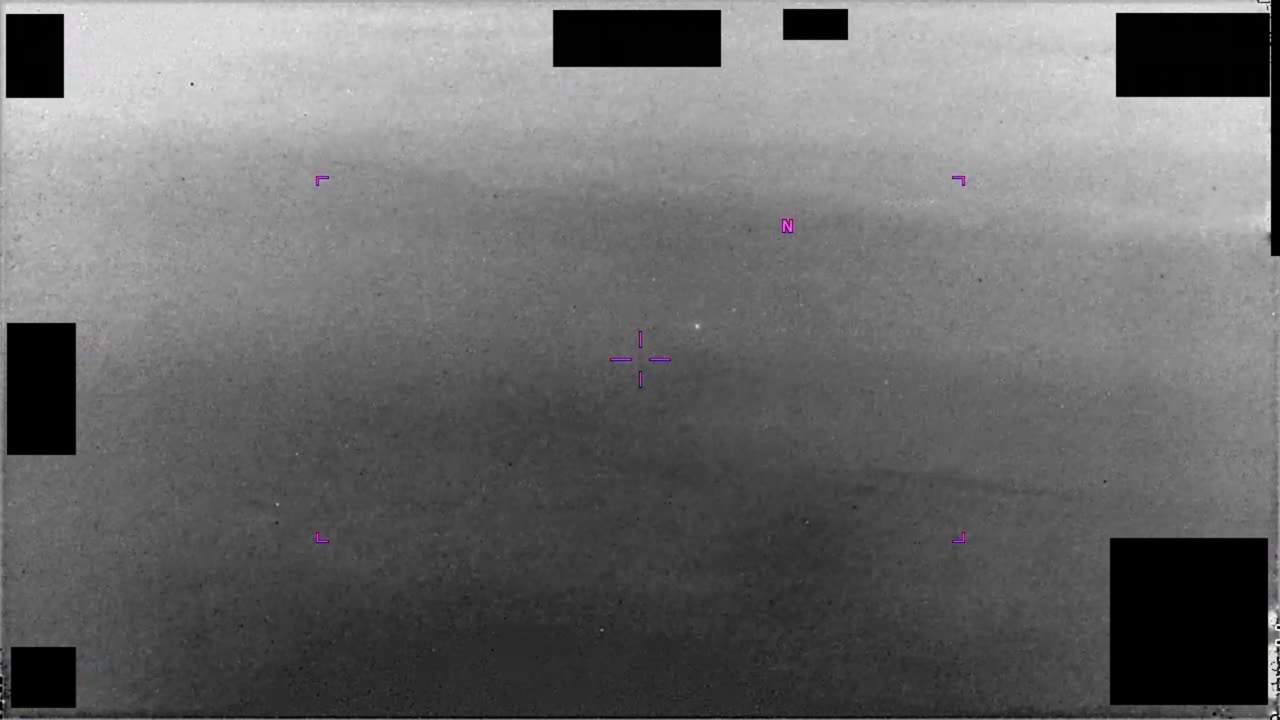
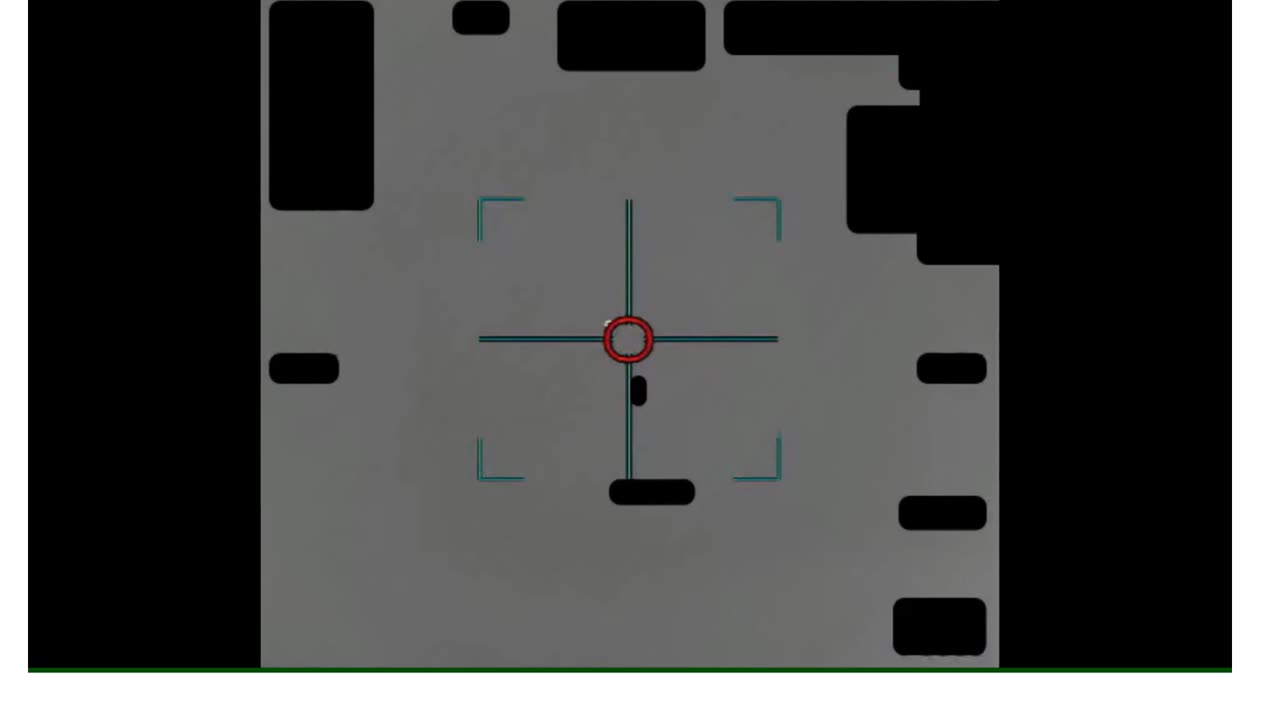
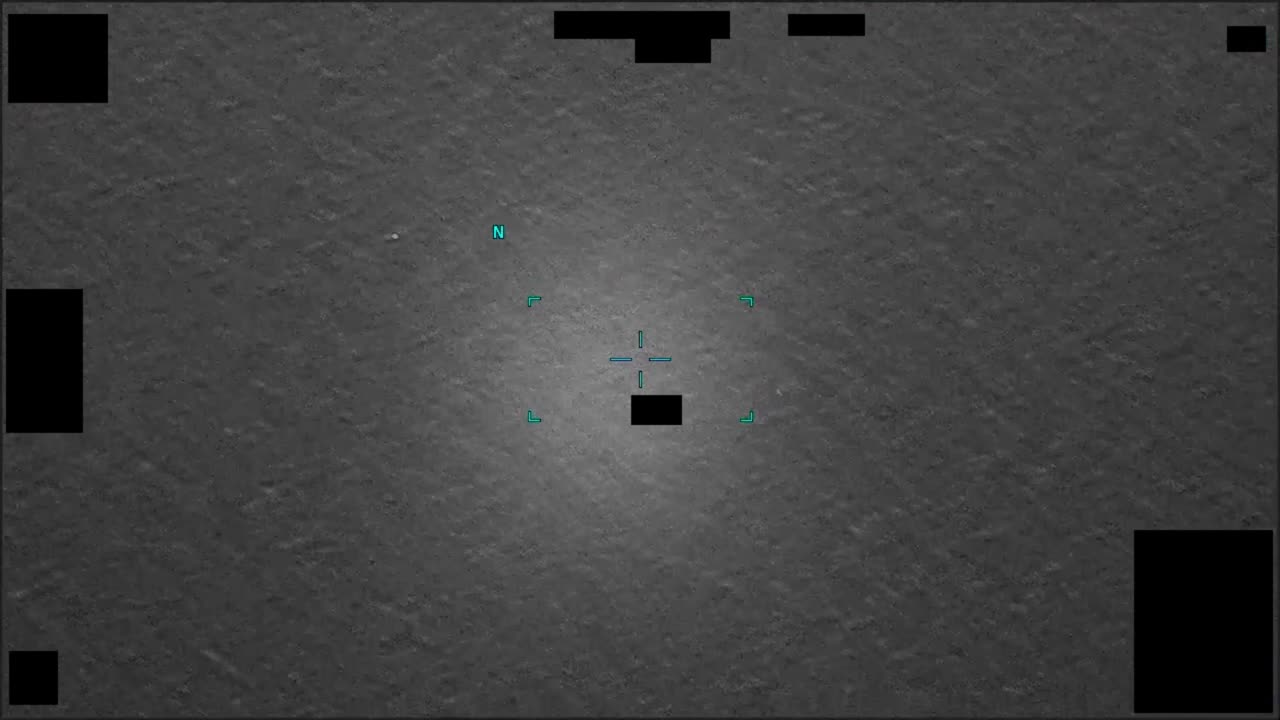
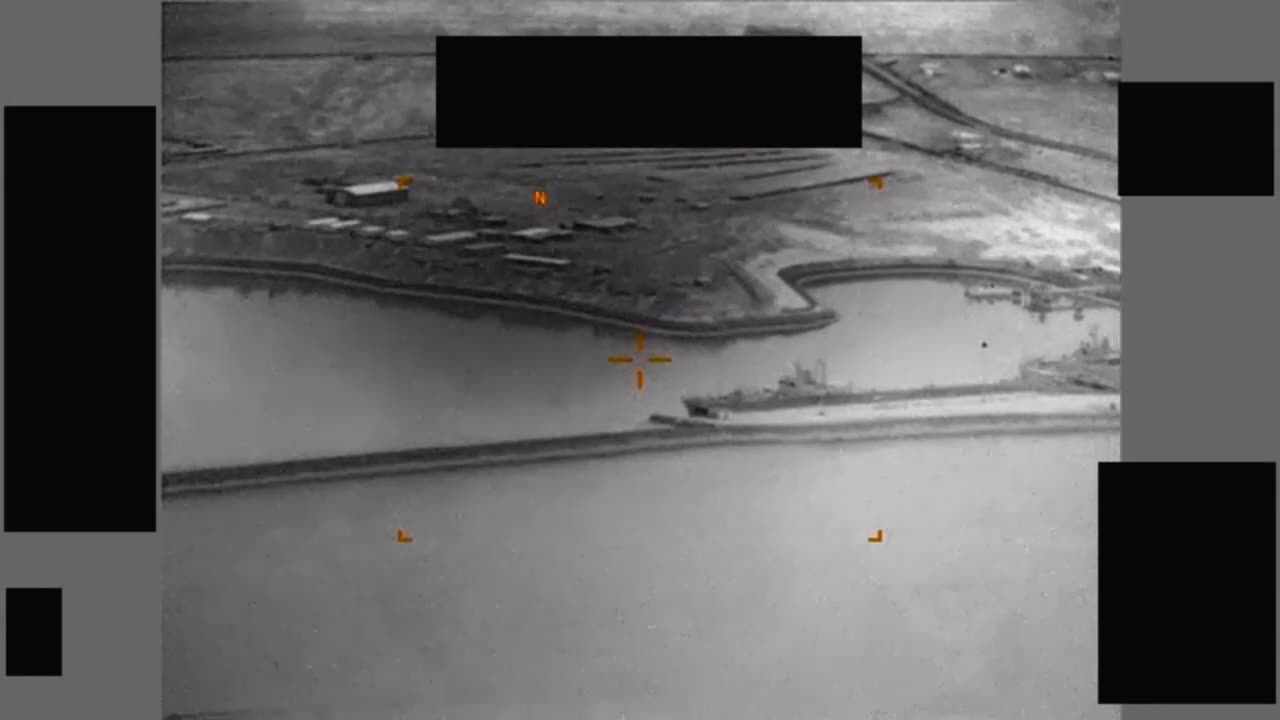
The Strait of Hormuz carries one-fifth of the world’s oil. That single fact explains why President Donald Trump ordered the U.S. Navy to open fire on any Iranian vessels caught laying mines in the waterway. The order, issued after American military observers spotted an Iranian mine-laying operation, marks a sharp escalation in a region where tensions have simmered for years.
The Pentagon confirmed the directive. The U.S. Navy’s Fifth Fleet, stationed in Bahrain, now has standing orders to shoot. Admiral John Richardson, the Chief of Naval Operations, made the Pentagon’s position plain: the United States will not tolerate disruptions to the free flow of commerce. That is the core of it. Mines in the strait do not just threaten American warships. They threaten the tankers carrying crude to the rest of the world.
Iran’s actions drew swift condemnation. The European Union, through spokesperson Peter Stano, said it is closely monitoring the situation and called for restraint from all parties. That is diplomatic language for deep unease. Taiwan went further. Foreign Minister Joseph Wu stated that Taiwan strongly condemns Iran’s provocative actions and supports U.S. efforts to maintain regional stability. Japan and the Philippines, both key players in the region, also weighed in against Iran’s behavior.
The Strait of Hormuz connects the Persian Gulf to the Gulf of Oman. It is narrow. It is shallow. It is the only sea route for Gulf oil. A minefield there does not just slow traffic. It stops it. Tankers cannot maneuver. Insurance rates spike. Oil prices jump. The global economy shudders. That is the strategic reality behind the President’s order.
Iran has long threatened to close the strait. Past administrations drew red lines. This one drew a trigger. The military observed the mine-laying operation. That observation triggered the presidential order. The timeline matters: the order came after the observation, not before. The United States did not preempt. It responded.
The Fifth Fleet now operates under new rules of engagement. Any Iranian vessel engaged in mine-laying is a target. That is a clear directive. It leaves little room for interpretation. Mines are slow to deploy and easy to spot from the air. The Navy has surveillance drones, patrol aircraft, and satellite coverage. If Iran tries again, the Navy will see it. And under this order, the Navy will fire.
Admiral Richardson stressed freedom of navigation. That is the principle the United States says it is defending. But the practical effect is simpler: keep the oil flowing. The Strait of Hormuz is not just a chokepoint for Iran. It is a chokepoint for the world. Every major economy depends on the strait staying open. The European Union depends on it. Japan depends on it. Taiwan depends on it. The Philippines depends on it.
The international response has been broadly supportive of the U.S. position. Condemnation of Iran has been widespread. No major power has defended the mine-laying. That isolation matters. Iran cannot count on allies to run interference at the United Nations or in the court of public opinion. The mine-laying operation was a provocation, and the world saw it that way.
The order is now in effect. The Navy has its instructions. The Strait of Hormuz remains open. For now.