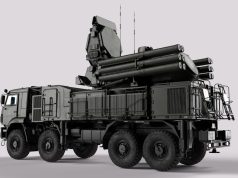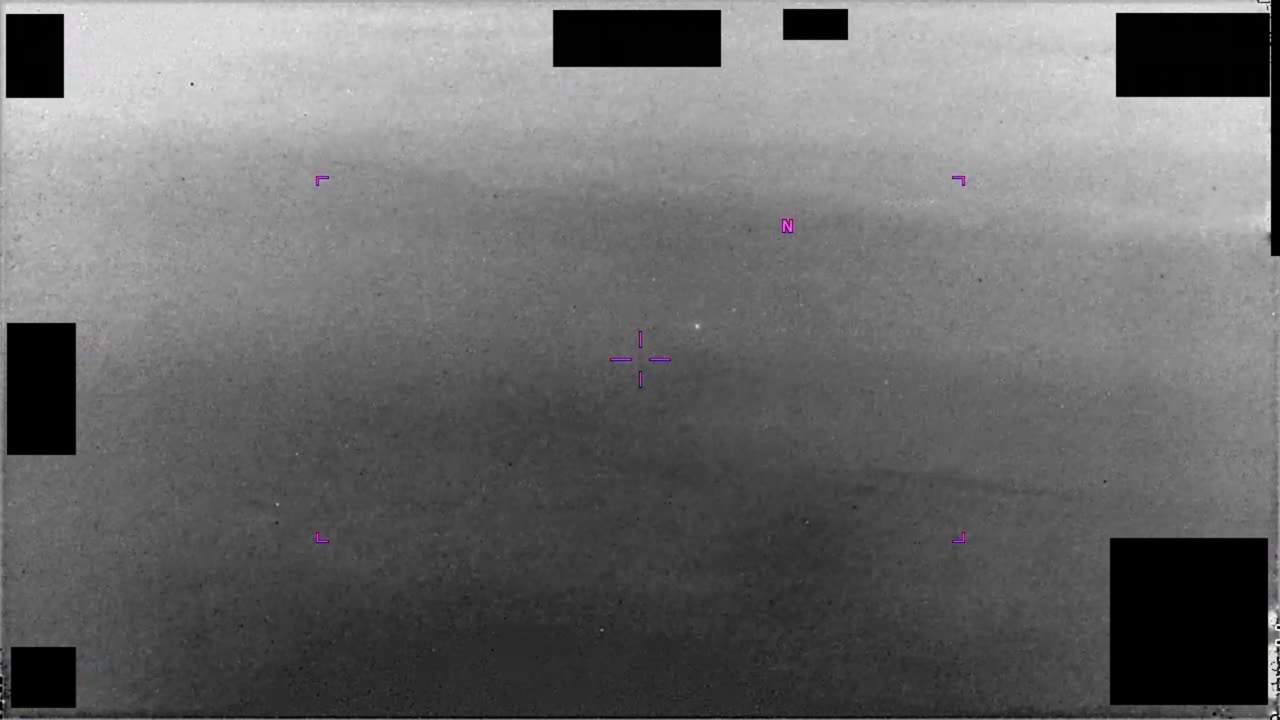
Something exploded over Tehran. What, exactly, remains unclear. But the Israeli denial came fast. A security source, speaking on condition of anonymity, told reporters that Israel did not conduct airstrikes in Iran. This followed reports of explosions in the Iranian capital.
The denial is a ritual. It is also a signal. In the shadow war between Israel and Iran, actions are rarely claimed. The ambiguity is the point. It allows escalation without a formal declaration. It gives everyone a way to step back.
Yoav Gallant, the Israeli defense minister, was not available for comment. But his predecessor, Israel Katz, was. Katz said the country is prepared to resume military action pending approval from the United States. That is the core of the story, sitting underneath the surface of the explosion reports. Israel is ready to move. It is waiting on Washington.
The relationship between the three countries is a tangle of dependence and friction. Israel relies on the United States for diplomatic cover and military resupply. The U.S., through Secretary of State Antony Blinken, has reaffirmed its commitment to Israel’s security. But that commitment comes with conditions. Blinken emphasized the need for a peaceful resolution. That is diplomatic language for restraint.
Israel Katz’s statement is a blunt reminder of the leash. No U.S. approval, no military action. The explosions over Tehran may have been a test of that leash. Or they may have been something else entirely. Iran has not confirmed the cause. The source material gives no Iranian statement. The silence is loud.
Geopolitically, this is a small fire in a dry forest. Israel sits in the Southern Levant, bordered by Lebanon, Syria, Jordan, and Egypt. It has been a crossroads of empires for millennia. The current empire is American. The AUKUS alliance — Australia, the United Kingdom, and the United States — has been discussing how to counter threats from Iran and other hostile actors. That is the framework. Israel acts. The U.S. authorizes. The allies discuss.
Iran’s nuclear program is the stated concern. Its support for militant groups in the region is another. The U.S. has been working closely with NATO member states to address both. But working closely does not mean agreeing on tactics. The explosions over Tehran suggest someone thinks diplomacy is not working fast enough.
The history of this land is written in cycles of violence and fragile peace. The Land of Israel, also called Palestine or the Holy Land, has hosted Canaanites, Israelite kingdoms, and successive empires. The 19th-century Zionist movement, fueled by European antisemitism, gained British backing through the 1917 Balfour Declaration. That led to the establishment of the State of Israel. The borders have never been settled. The conflicts have never ended.
What happens next depends on the U.S. response. If Washington gives approval, Israel will act. If not, the denials will continue. The explosions will be blamed on air defense drills or bird strikes or nothing at all. The tension will remain. It always does.
Katz’s statement was the most concrete thing in the whole affair. He said Israel is prepared to resume military action. He did not say when. He did not say where. He tied it to American approval. That is the only clear fact in a story built on denials and echoes.
The explosions are gone now. The sky over Tehran is quiet. The denials are filed. The waiting continues.