
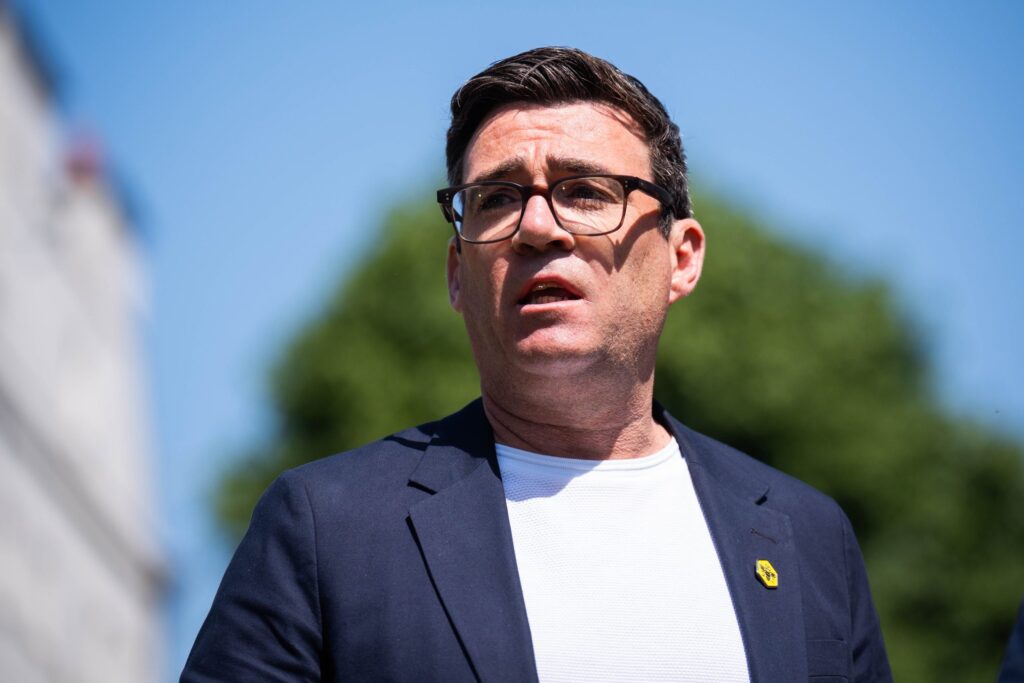
“All of this speculation on an early election, I can knock that dead,” Prime Minister Andy Burnham said on Friday. He told ITV Calendar the next general election will be held in 2029.
The statement came during a round of broadcast interviews with regional media. Burnham was asked repeatedly about calling an early contest. At first he said he was “not particularly” tempted. By the end he was firmer, saying he was “not going to do that” because he was focused on the job.
“People want me, new in office, to be getting on with the job of delivering on the things that we’ve discussed, rather than putting self-serving politics before that, which was what I would be doing if I call an election,” he said.
Why the talk started
Speculation had grown over the past week after polls showed Labour pulling into the lead with support in the low 20s. The Conservatives and Reform UK were neck and neck a few points behind. Westminster sources told the Guardian that Downing Street advisers and MPs had discussed the merits of an early poll. They also acknowledged that, even with the right split, Labour risked losing its majority and having to form a coalition.
A personnel move added fuel. The Guardian reported that Ravinder Athwal, the economist who wrote Labour’s 2024 manifesto, was taking a senior role as adviser to Chancellor John Healey ahead of the budget. Athwal devised Keir Starmer’s five “missions”. Healey hired him from Flint Global, which was previously run by Burnham’s chief of staff, James Purnell.
All parties had stepped up campaign preparations since Burnham replaced Starmer in the summer, in case he tried to use his bounce in popularity. He has ruled out an early election before and after taking office.
Conference and water
Burnham steered the interviews toward Labour’s autumn conference in Liverpool. A large part of his speech, he said, would set out more detail of a new model for the water industry with greater public control. “What we’ve had in the last 30 years is nowhere near good enough and is actually letting the public pay,” he told BBC South.
He also confirmed he will not give exclusive interviews or articles to the Sun. The policy comes from solidarity with victims of the Hillsborough disaster. The paper’s coverage of the 1989 tragedy falsely blamed Liverpool fans, and it has since apologised.
Polling gave Labour some cause for cheer. An MRP poll of more than 8,000 voters, conducted by Survation and the activist site 38 Degrees in Burnham’s first month as prime minister, found twice as many voters returning to Labour from the left as from the right since April. It also suggested tactical voting could push Reform UK into fourth place and leave Labour close to a majority.




