The Respect for Marriage Act, passed by Congress in 2022 to require federal recognition of same-sex marriages, offers no clear legal shield for clergy or other officiants facing state criminal charges, such as the proposed Texas felony bill that carries a potential 10-year prison sentence.
A Federal Law with Limited Scope
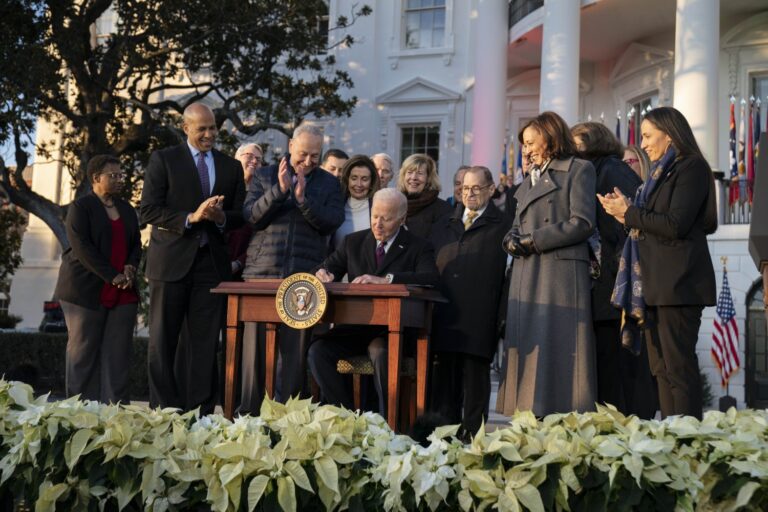
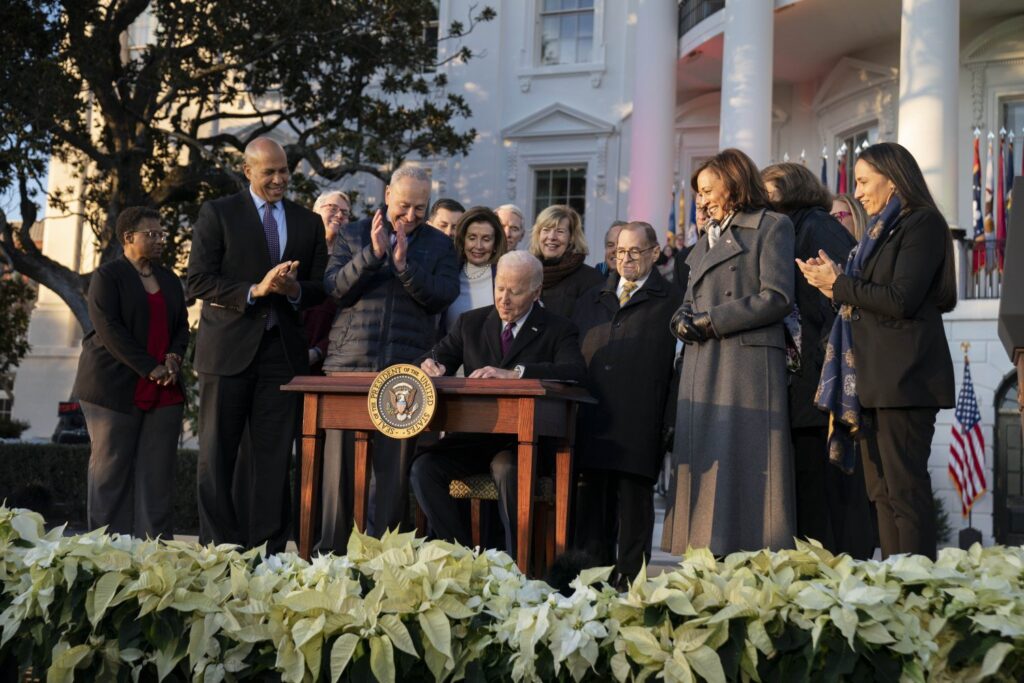
The Respect for Marriage Act (RFA) was a strategic move by Congress to codify the federal recognition of same-sex marriages established by the Supreme Court’s 2015 Obergefell decision. However, the act’s purpose is limited to ensuring federal benefits and rights for married couples. It does not grant a private right of action to individuals harmed by state enforcement of marriage laws, nor does it contain language explicitly preempting state criminal penalties related to officiating ceremonies. Legal scholars note that the RFA’s design focuses on federal recognition, not on overriding state enforcement mechanisms directly.
The State-Federal Conflict in Texas
The tension between federal and state law is stark in Texas, where the state’s Family Code still lists same-sex marriages as “void” under Section 6.204, a provision rendered unenforceable by Obergefell. This lingering state statute creates a legal vulnerability. Senate Bill 178, filed by Republican State Sen. Brent Hagenbuch, would amend the Texas Family Code to make it a third-degree felony to knowingly conduct a ceremony for a “void marriage.” A third-degree felony in Texas carries a prison term of two to ten years and fines up to $10,000. While the bill does not explicitly mention same-sex couples, its language would apply to them because of Texas’s current classification of their marriages as void.
Preemption and the Limits of Federal Power
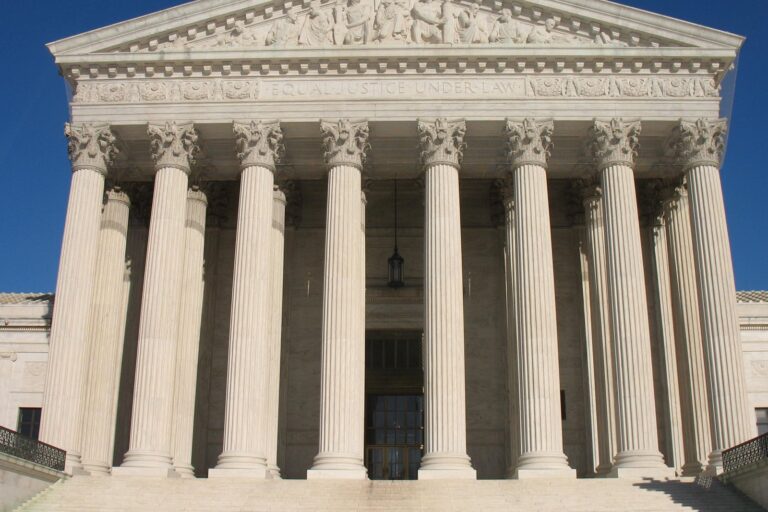
The RFA does not preempt state criminal enforcement under the Supremacy Clause because it lacks a clear congressional intent to displace state law on this issue. For a federal statute to override state criminal penalties, Congress must explicitly state that intention. The RFA contains no such language. The Supreme Court’s precedent, including Obergefell, establishes a constitutional right to marry but does not automatically bar states from regulating the *process* of officiating ceremonies, creating a narrow but significant legal gap. Constitutional law professor Emily Berman called the Texas bill “patently unconstitutional” because it would create a different set of rules for same-sex couples, a direct violation of the principle established in Obergefell.
Strategic Calculus and the Broader Stakes
The introduction of SB 178 signals a broader effort by some conservative lawmakers to revisit marriage equality, even as the federal law protects it. This move places clergy and officiants in a precarious position, caught between a federal mandate and a potential state prohibition. The broader stakes involve testing the boundaries of state versus federal authority and the practical enforcement of marriage rights. While Senator Hagenbuch has stated the bill is not meant to target same-sex weddings and that any language covering them would be removed during committee review, the bill’s current text and the unresolved conflict with federal law create significant legal uncertainty. The Texas Legislature is scheduled to convene on January 12, 2027.
Sources
- Texas Bill Raises Fears of up to 10 Years in Prison for Officiating Gay Weddings Despite Supreme Court Ruling
- A Texas Senate bill could make it a felony to officiate same-sex weddings
- Republicans bent their faith on gay marriage. On Islam, Israel keeps them from bending
- US votes against LGBTQ-inclusive UN resolution
- Hubbard, Broderick add to Democratic majority in Congress – Dallas Voice
- Hubbard shuts down Foxx’s opposition to LGBTQ+ Rights – QnotesCarolinas.com
Photo: Office of the President of the United States (Public domain)