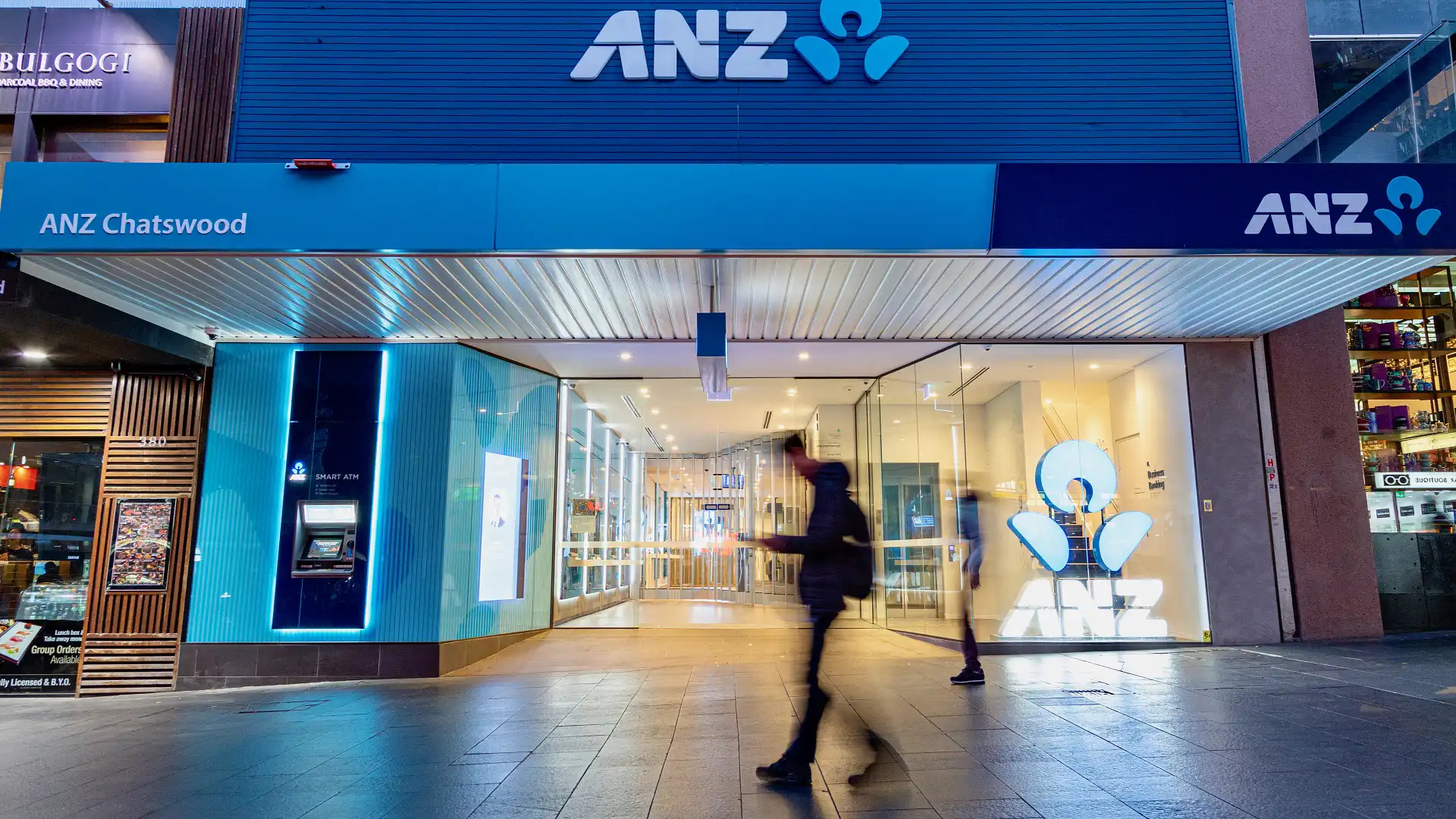
On June 4, 2018, it was reported that the Australia and New Zealand Banking Group Limited (ANZ) had reached a settlement of AUD 50 million over the manipulation of the Bank Bill Swap Rate (BBSW), alongside fellow Australian banks National Australia Bank (NAB) and Westpac. According to historical records available on Wikipedia, ANZ is one of the Big Four Australian banks, with a long history dating back to its establishment in 1951 as a merger of the Bank of Australasia and the Union Bank of Australia.
The BBSW is a key interest rate benchmark in Australia, used to set the price of various financial products. The alleged manipulation of this rate by ANZ, NAB, and Westpac has been the subject of regulatory scrutiny, with the banks accused of colluding to fix the rate to their advantage. While the banks have not admitted to any wrongdoing, the settlement suggests that they have acknowledged some level of culpability. As noted on Wikipedia, ANZ has a significant presence in Australia and New Zealand, with its Australian operations making up the largest part of its business.
ANZ’s defence has likely centered on the fact that the BBSW is a complex and multifaceted rate, influenced by a wide range of market factors. The bank may have argued that its actions were legitimate and in line with industry practices at the time. However, the regulator’s findings suggest that the banks’ behavior was unacceptable and potentially harmed consumers and other market participants. As a major bank in Australia and New Zealand, ANZ has a significant impact on the financial markets, and its actions are closely watched by regulators and investors alike.
According to Wikipedia, ANZ is Australia’s second-largest bank by assets and fourth-largest bank by market capitalisation. Its size and influence make it a key player in the Australian financial system, and its actions have the potential to affect a wide range of stakeholders. The bank’s settlement with regulators is likely to be seen as a positive step towards restoring trust in the financial system, and may help to alleviate concerns about the integrity of the BBSW. As noted in the historical records, ANZ has undergone significant changes over the years, including a major merger in 1970 with the English, Scottish & Australian Bank (ES&A), which was the largest bank merger in Australian history at the time.
Regulatory Scrutiny
The settlement with ANZ, NAB, and Westpac is the result of a lengthy investigation by regulators into the alleged manipulation of the BBSW. The investigation has been ongoing for several years, and has involved the examination of thousands of documents and the interviewing of numerous witnesses. The regulators’ findings suggest that the banks engaged in a pattern of behavior that was designed to manipulate the BBSW for their own benefit. As reported on Wikipedia, ANZ has a long history of growth and expansion, including its establishment as a multinational banking and financial services company.
Looking ahead, it will be important to watch how the settlement with ANZ, NAB, and Westpac affects the wider financial system. The BBSW is a critical benchmark, used to set the price of a wide range of financial products. Any manipulation of this rate has the potential to affect not just the banks themselves, but also consumers and other market participants. As noted in the historical records available on Wikipedia, ANZ has a significant presence in New Zealand, where it is the largest bank and operates under the brand ANZ Bank New Zealand. As the situation continues to unfold, it will be important to monitor the actions of regulators and the banks themselves, and to consider the potential implications for the financial system as a whole.