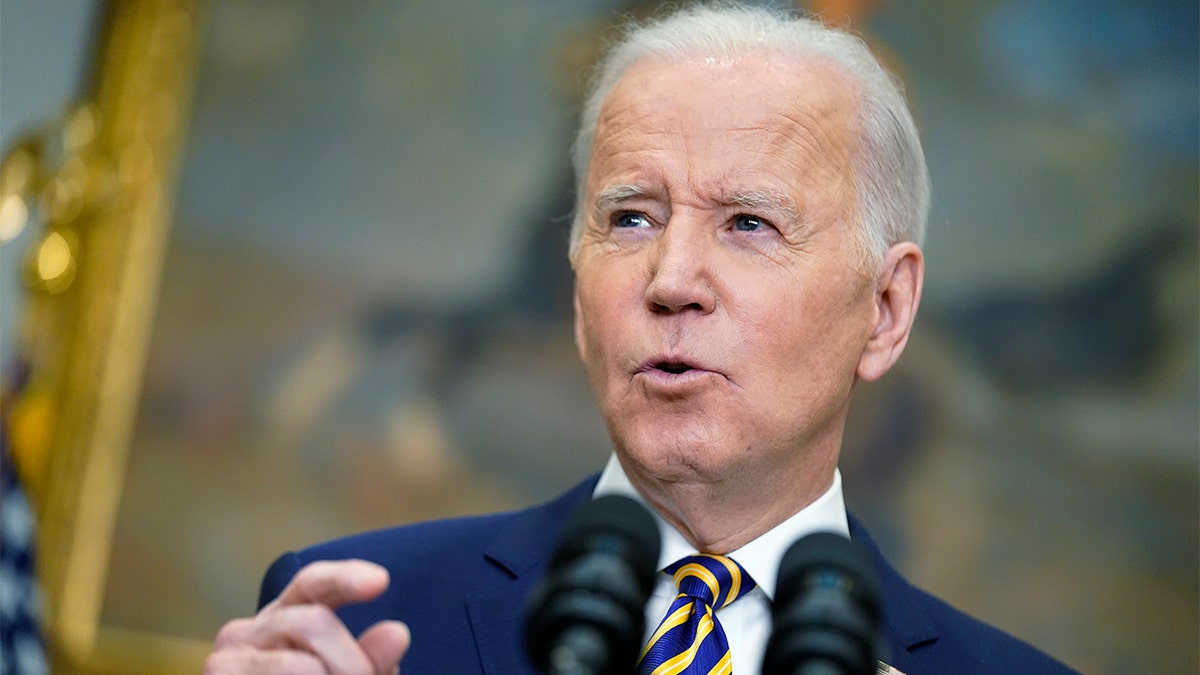
President Joe Biden announced on March 8, 2022, that the United States will ban all imports of Russian oil, natural gas, and coal in response to Russia’s invasion of Ukraine. The move targets a key revenue stream for Moscow, which relies on energy exports to fund its military operations. Biden warned Americans that the ban will drive up gasoline prices, which had already hit a record national average of $4.17 per gallon that same day. The action follows urgent pleas from Ukrainian President Volodymyr Zelenskyy to cut off Western purchases of Russian energy.
The ban and its immediate impact
Biden declared the ban during a speech at the White House, saying the U.S. “will not be part of subsidizing Putin’s war.” He called the new restrictions a “powerful blow” against Russia’s ability to finance the ongoing offensive. The ban covers crude oil, petroleum products, liquefied natural gas, and coal. It takes effect immediately for new purchases. The administration is allowing a 45-day “wind-down” period for deliveries under existing contracts.
“Defending freedom is going to cost,” Biden said, acknowledging that American consumers will feel the pain at the pump. The national average for a gallon of regular gasoline hit $4.17 on Tuesday, according to auto club AAA. That was a 10-cent jump in one day and a 55-cent increase from the previous week. Prices have been climbing for weeks as the conflict escalated and markets anticipated sanctions on Russian energy.
Europe’s deeper dependence
The U.S. ban is unilateral. European allies, who rely far more heavily on Russian energy, have not yet joined the embargo. The European Union said this week it will commit to phasing out its reliance on Russian energy as soon as possible. But filling the void without crippling EU economies will take time.
Europe imports 90% of its gas and 97% of its oil products. Russia supplies 40% of Europe’s gas and a quarter of its oil. The United Kingdom, which is no longer part of the EU, announced Tuesday that it will phase out Russian oil and oil products by the end of 2022. The U.S. does not import Russian natural gas.
“We are in close consultation with European allies,” Biden said. He acknowledged that Europe’s greater dependence on Russian supplies means a slower transition away from them.
How much Russian oil does the U.S. actually import?
Russian oil makes up a small share of overall U.S. energy imports. In 2021, the U.S. imported roughly 245 million barrels of crude oil and petroleum products from Russia, according to the U.S. Energy Information Administration. That was a 24% increase from the previous year. But it still represented only about 3% of total U.S. oil consumption.
Preliminary data from the U.S. Energy Department shows imports of Russian crude dropped to zero in the last week of February, even before the formal ban. Many Western energy companies had already moved to cut ties with Russia. ExxonMobil and BP announced they would limit or end their Russian operations. Shell apologized on Tuesday for purchasing a shipment of Russian oil over the weekend and pledged to halt further purchases.
The U.S. can replace Russian crude with imports from other oil-rich nations, such as Saudi Arabia, Iraq, or Canada. But that could prove politically problematic. The Biden administration has faced criticism from environmental groups and some Democrats for engaging with Saudi Arabia on oil production.
Broader sanctions and the economic toll on Russia
The oil ban is part of a wider campaign to isolate Russia economically. Before the invasion, oil and gas made up more than a third of Russian government revenues. Global energy prices have surged since the invasion, making Russian exports even more lucrative despite sanctions.
The U.S. and its international partners have already sanctioned Russia’s largest banks, its central bank, and its finance ministry. They have also moved to block certain Russian financial institutions from the SWIFT messaging system for international payments. These measures have frozen hundreds of billions of dollars in Russian assets held abroad.
“We are united in our determination to hold Russia accountable,” said a senior administration official, speaking on condition of anonymity. The official noted that the sanctions are designed to maximize pressure on the Kremlin while minimizing harm to the global economy.
What this means for American consumers and the energy market
The ban will likely push gasoline prices higher in the short term. The U.S. is a major oil and gas producer, but it still imports about 8 million barrels of crude oil per day. Replacing the roughly 700,000 barrels per day that came from Russia will require increased domestic production and imports from other countries.
Biden acknowledged the pain but framed it as a necessary cost. “We will not be part of subsidizing Putin’s war,” he repeated. The White House has said it is exploring all options to increase domestic energy supply, including releasing more oil from the Strategic Petroleum Reserve and encouraging domestic drilling.
Some Republicans criticized the ban as too late and too weak. They argued that the administration should have approved the Keystone XL pipeline and expanded domestic drilling earlier. Democrats largely supported the move but warned that the administration must do more to protect consumers from price gouging.
The ban on Russian oil is a significant escalation in the West’s response to Russia’s aggression. It cuts off a major source of funding for Moscow’s war machine. But it also imposes real costs on American families already struggling with inflation. The coming weeks will test whether the U.S. can sustain this pressure without triggering a broader energy crisis. For now, the administration is betting that the price of freedom is one Americans are willing to pay.