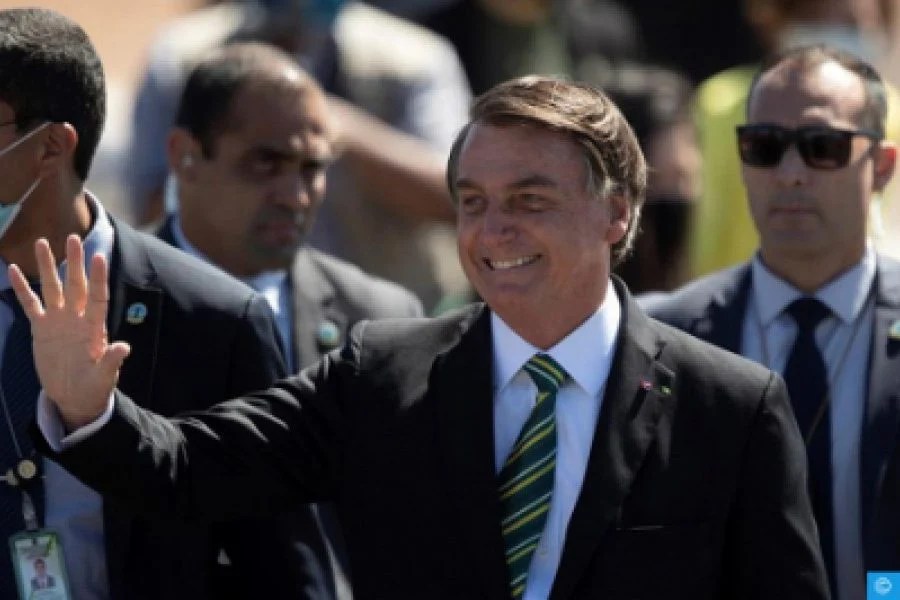
On July 7, 2023, Jair Bolsonaro, the 38th president of Brazil, has concluded his term as the country’s leader, marking the end of a presidency that began in 2019. As a former military officer and long-time politician, Bolsonaro’s career has been shaped by his experiences in the Brazilian Army and his 27-year tenure as a congressman. Born on March 21, 1955, in Glicério, São Paulo, Bolsonaro’s life has been marked by his national conservatism and his support for economically liberal and pro-market policies.
Bolsonaro’s early career in the Brazilian Army began in 1973, when he started serving as a military officer. He graduated from the Military Academy of Agulhas Negras in 1977, an experience that would later shape his views on national security and defense. However, it was his article for Veja magazine in 1986, criticizing the low wages of military officers, that brought him to the public’s attention. The article led to his arrest and detention for 15 days, an event that marked a turning point in his career. After leaving the army, Bolsonaro was elected to the Municipal Chamber of Rio de Janeiro in 1988, beginning his journey as a politician.
As a congressman, Bolsonaro represented the state of Rio de Janeiro in the Chamber of Deputies from 1991 to 2019. During his 27-year tenure, he became known for his national conservatism, advocating for policies that prioritized national security, law and order, and traditional values. His views often sparked controversy, but they also resonated with many Brazilians who felt that the country needed a stronger, more assertive leader. In 2018, Bolsonaro decided to run for president, campaigning on a platform that included economically liberal and pro-market policies. His message appealed to many voters, particularly those who felt that Brazil’s economy needed to be more open to foreign investment and trade.
Despite the challenges he faced during his presidential campaign, including an assassination attempt on September 6, 2018, Bolsonaro led in the first-round results on October 7, 2018. He eventually defeated Fernando Haddad in the second round on October 28, 2018, winning the presidency with a promise to transform Brazil’s economy and politics. As president, Bolsonaro implemented policies aimed at reducing bureaucracy, increasing foreign investment, and promoting economic growth. However, his presidency was also marked by controversy, particularly with regards to his handling of environmental and social issues.
As Bolsonaro’s presidency comes to an end, it is clear that his legacy will be complex and multifaceted. While some Brazilians will remember him as a strong leader who fought against corruption and promoted economic growth, others will criticize his handling of social and environmental issues. As the country looks to the future, it is likely that Bolsonaro’s policies and decisions will continue to shape the debate about Brazil’s direction and priorities. With a new government in place, Brazilians will be watching closely to see how the country’s new leaders address the challenges and opportunities that lie ahead.
Looking Ahead
As Brazil enters a new era of leadership, there are many questions about what the future holds for the country. Will the new government continue to implement economically liberal and pro-market policies, or will it shift towards a more interventionist approach? How will the country address the social and environmental challenges that have sparked controversy during Bolsonaro’s presidency? As the country moves forward, it is likely that these questions will be at the forefront of the debate, shaping the discussion about Brazil’s future and its place in the world. With a new government in place, Brazilians and international observers will be watching closely to see how the country navigates the challenges and opportunities that lie ahead, and how it builds on the legacy of Jair Bolsonaro’s presidency.