
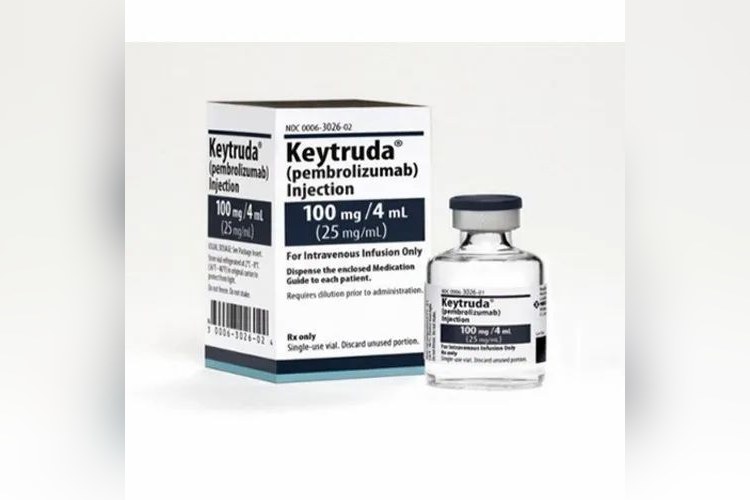
Zero recurrences in 32 patients after 33 months. That is the headline figure from NEOPRISM-CRC, a UK trial of immunotherapy given before bowel cancer surgery, and the figure that matters is the comparison: roughly 25% of patients on the standard route of surgery followed by chemotherapy are expected to relapse within three years.
The trial, led by UCL and UCLH, enrolled people with stage two or three bowel cancer carrying a specific genetic profile known as MMR deficient/MSI-high. Instead of operating first and following with three to six months of chemotherapy, doctors gave the drug pembrolizumab for up to nine weeks and then operated. Earlier data showed that 59% of patients had no detectable disease after that treatment and their surgery.
The new follow-up adds a harder result. No one has seen the cancer return, including patients who still had small traces of disease after surgery. In that group, the remaining cancer did not grow or spread. The findings were presented at the American Association for Cancer Research annual meeting in San Diego.
Blood tests and immune profiles
The team also looked for ways to tell early who is responding. Working with the biotechnology firm Personalis, UCL researchers built personalized blood tests that track tumor DNA in the bloodstream. When the DNA vanished from the blood, patients were much more likely to have no cancer left, and that matched the long-term outcomes. Immune profiling of tumor tissue taken before the first cycle also helped predict response.
Dr. Kai-Keen Shiu, the trial’s chief investigator and a consultant medical oncologist at UCLH, called the absence of recurrences “extremely encouraging.” He said the tests could let doctors tailor treatment, giving less therapy to patients who are doing well and more to those at higher risk of relapse.
Professor Marnix Jansen, who leads the translational research, said the results confirm the durability of responses first seen almost three years ago and shed light on why immunotherapy works so well here. Yanrong Jiang, a clinical PhD student at the UCL Cancer Institute and first author of the latest abstract, said the team had been able to follow patients closely with the blood tests.
University Hospital Southampton, St. James’s University Hospital in Leeds and the Christie NHS Foundation Trust in Manchester helped recruit patients and supplied samples. Five UK hospitals took part in all.
One patient’s course
Christopher Burston, 73, of Portland, Dorset, was diagnosed in February 2023 after years of home screening kits, one of which finally came back positive. A colonoscopy found the cancer, and it was stage three. A few weeks later his oncologist raised the trial. It meant traveling to London, and he signed up anyway.
He had three doses of immunotherapy over nine weeks, then surgery in May 2023, with few side effects and a week in hospital. “The outcome of the surgery was essentially that the cancer had melted away, these were the doctor’s words,” he said. More than three years on he is cancer-free and attends regular follow-ups.
The market context
Bowel cancer is the fourth most common cancer in the UK, with about 44,000 new cases a year. Roughly 10% to 15% of stage two or three cases have the profile studied here, which works out to 2,000 to 3,000 cases annually. Five-year survival is 65% for stage three disease and 10% for stage four.
Sources
- Bowel cancer âmelted awayâ after immunotherapy, then stayed away
- “Cancer Melted Away”: Immunotherapy Delivers Striking Results in Bowel Cancer Trial




