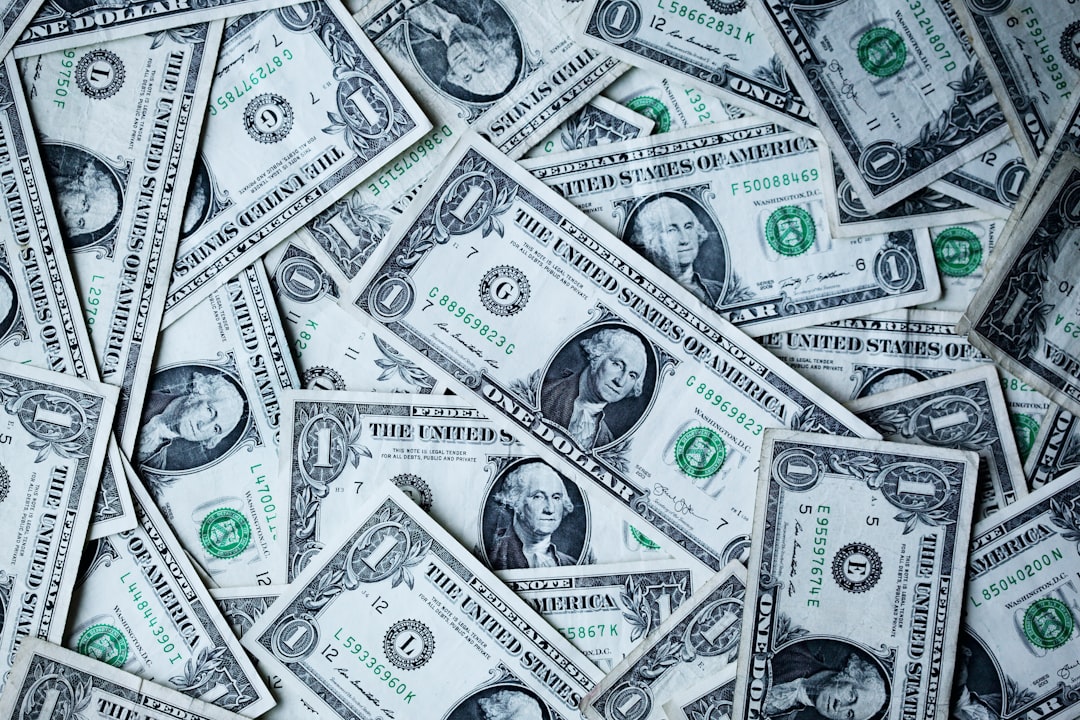
Seven point eight billion yuan. That is the amount of cash the People’s Bank of China has already pulled from circulation in just one province — Guangdong. The money was taken out of the system two weeks ago, under an order that now applies across four provinces. The banknotes came from hospitals, fresh-food markets, and buses. The central bank confirmed the move on 17 February 2020.
Hubei, the epicentre of the outbreak, is covered. So are Guangdong, Zhejiang, and Henan. Cash cannot cross provincial borders anymore. Commercial banks must sterilize or quarantine every remaining note for at least 14 days. Those that fail inspection are destroyed immediately. The process is not simple. Each disinfected bundle must be stamped, its serial numbers recorded, and the whole thing sealed in plastic wrap before it goes back to the central bank.
The scale is staggering. Another 600 billion yuan in freshly printed cash is being trucked in to keep ATMs stocked. That is a lot of new money moving through a frozen economy. More than 50 million workers have been ordered to stay home since late January. Factories that supply components for iPhones and car parts are idle. Goldman Sachs cut its first-quarter growth forecast for China to 2.5 percent. That would be the slowest since the Cultural Revolution.
Deputy Governor Fan Yifei told state media that high-risk notes will be sanitized with ultraviolet rays or heated and locked up for at least 14 days before redistribution. The language is careful. The procedure is exact. But the underlying message is blunt: the virus can live on paper, and the government cannot afford to let it spread through the financial system.
The cash crackdown adds another layer of logistics to a system already strained by quarantines and transport bans. Banks are short-staffed. Armored trucks face roadblocks. The central bank is now asking commercial banks to handle every bill as a potential biohazard. That is a heavy burden on tellers and branch managers who are already working under lockdown conditions.
Consumption has fallen off a cliff. That is how Larry Hu, head of China economics at Macquarie Group in Hong Kong, put it. When people cannot spend, cash sits idle. When cash sits idle, the economy stalls. Beijing is trying to keep the machine running by flooding it with clean notes. But the machine itself is missing millions of workers.
The cash purge is not just about hygiene. It is a signal. The government is willing to shred billions of yuan to contain the economic fallout. It is willing to disrupt normal banking operations for weeks. It is willing to print and truck in hundreds of billions of new notes. The cost is enormous. The alternative — letting the virus hitch a ride on a ten-yuan note — is worse.
Watch what happens next. The 7.8 billion yuan pulled from Guangdong is a fraction of what will eventually be destroyed. The four provinces covered by the order are economic powerhouses. Their cash supplies are being sterilized, quarantined, or burned. If the outbreak spreads to other regions, the same measures will follow. The central bank has already shown it will act fast. The order was issued two weeks before it was announced. The money was already gone.