
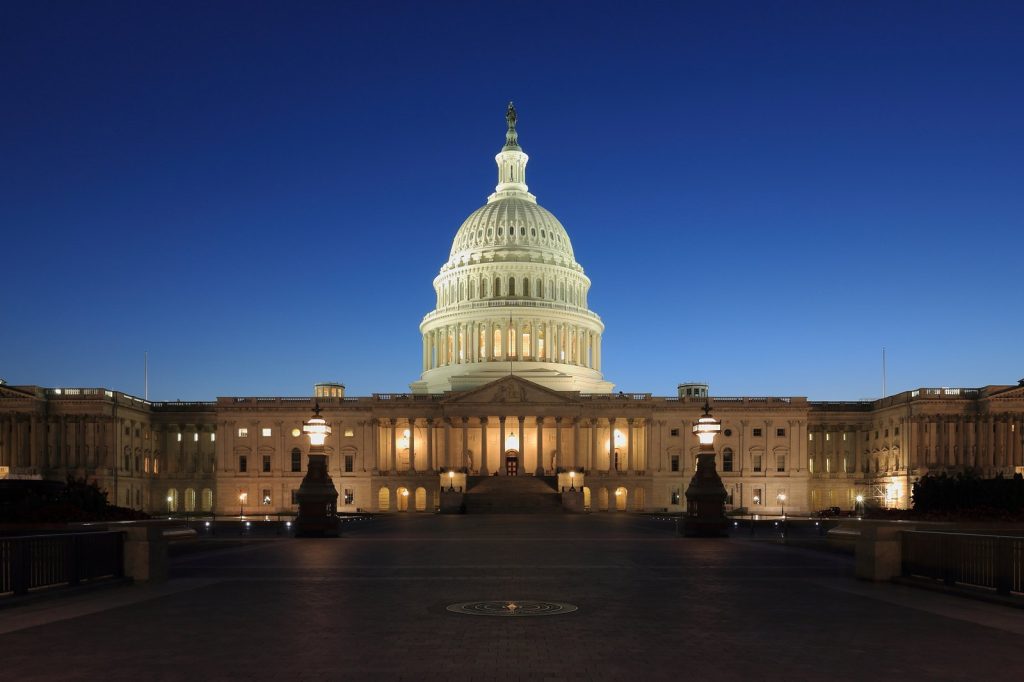
Washington, July 14 — Congress now has a 60-day window to debate and potentially authorize the latest military action, following President Trump’s formal notification under the War Powers Resolution. Under that 1973 law, the president must consult with lawmakers before introducing forces into hostilities and must withdraw troops after a set period unless Congress authorizes continued action. The resolution also allows for a 30-day withdrawal period after the 60-day window expires.
This notification sets up what could be the most significant test of Congress’s constitutional role in wartime decisions in decades, as lawmakers weigh whether to pass a new Authorization for Use of Military Force (AUMF) specifically targeting Iran. The outcome will not only determine the legal basis for current operations but also shape how future presidents justify military action and how far Congress will go to reassert its authority over decisions to send troops into combat.
Congressional Hearings and Potential Paths Forward
The House of Representatives and Senate will hold hearings, with testimony from Secretary of Defense Pete Hegseth and Secretary of State Marco Rubio. The Senate Foreign Relations Committee and House Foreign Affairs Committee will lead the process. Congress has several paths forward.
It can pass a joint resolution to authorize the use of military force, much like it did in 2001 and 2002 when it approved the last two major AUMFs. Alternatively, lawmakers could pass a resolution to restrict or even end the operation.
The outcome depends on party dynamics: Republicans control both the House and Senate as of 2025. The public and international reaction will also influence the debate. The 2001 resolution, passed after the September 11 attacks, authorized force against al‑Qaeda and its affiliates and has been used to justify operations in Afghanistan, the broader region, and beyond. The 2002 resolution authorized force against Iraq and later supported related missions in Syria.
Both remain on the books and have been used for conflicts in Afghanistan, Iraq, and Syria. A new AUMF targeting Iran would mark the first such authorization in decades and could redefine the legal boundaries of future military engagements.
If Congress declines to act, the administration may proceed under existing authorities—raising questions about the limits of presidential power and congressional oversight.
Historical Context: War Powers and AUMFs
The U.S. Constitution assigns Congress the power to declare war, a role last exercised in 1941 when it formally approved America’s entry into World War II, from 1941 to 1945. Since then, lawmakers have relied on Authorization for Use of Military Force resolutions to approve major overseas military actions without issuing a formal declaration. These resolutions grant the president limited authority to deploy troops against specific enemies for defined purposes, rather than authorizing full-scale war.
An AUMF does not declare war but provides statutory approval for the president to use force against named enemies or threats. They can be tailored to specific conflicts or broadened over time as administrations reinterpret their scope.
They remain in effect until repealed or replaced, and subsequent presidents have cited them to expand military actions into new countries and against new groups. The current debate traces back to the 1973 War Powers Resolution, which was passed after widespread concern over presidential overreach during the Vietnam War. The law requires the president to consult with Congress before introducing forces into hostilities and to withdraw troops after a set period unless Congress authorizes continued action. Presidents have sometimes disputed the resolution’s constitutionality, but it remains the framework for congressional oversight of military deployments.
Recent notifications under the resolution have repeatedly triggered debates over whether existing AUMFs cover new conflicts or require updated authorization.
Implications for Presidential Power and Congressional Oversight
The latest notification sets up a decisive test of Congress’s constitutional role in wartime decisions. If lawmakers choose to pass a new AUMF, it would mark the first such authorization in decades and could redefine the legal boundaries of future military engagements. If they decline to act, the administration may proceed under existing authorities—raising questions about the limits of presidential power and congressional oversight.
The outcome will influence how future presidents justify military action and how far Congress will go to reassert its constitutional role in decisions to send troops into combat. With Republicans controlling both chambers as of 2025, party dynamics will shape the legislative response, but public and international reaction will also play a role.
As hearings begin with testimony from Secretary Hegseth and Secretary Rubio, lawmakers face a 60-day clock that will determine the legal framework for the latest military action and set a precedent for future engagements.
{“@context”: “https://schema.org”, “@type”: “NewsArticle”, “headline”: “Congress faces 60-day deadline on potential Iran military action”, “description”: “Washington, July 14 — Congress now has a 60-day window to debate and potentially authorize the latest military action, following President Trump’s formal notification under…”, “datePublished”: “2026-07-14T09:30:00+00:00”, “author”: {“@type”: “Person”, “name”: “Merry Gel Sigui”}, “publisher”: {“@type”: “Organization”, “name”: “InfoPulse Today”, “url”: “https://newsfeed.infopulsetoday.com/”}}




