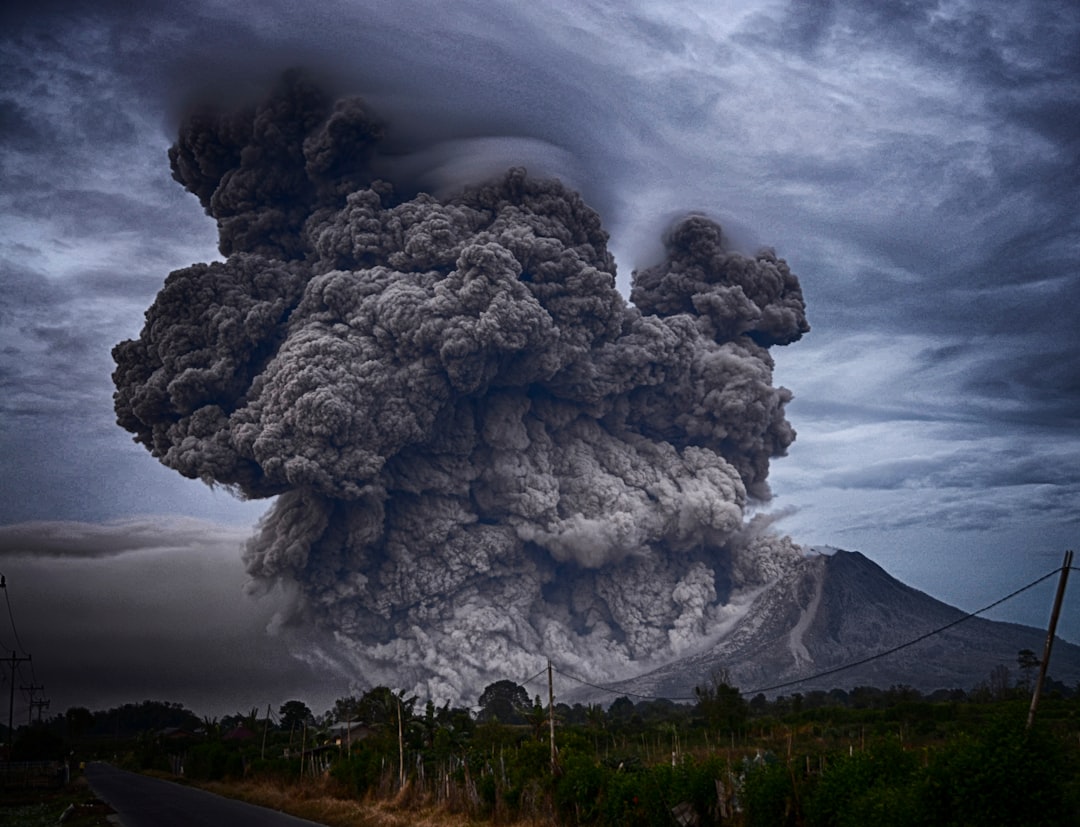
For the first time since the 19th century, Mount Fentale is restless. The stratovolcano in central Ethiopia has begun shaking with volcanic tremors, and authorities have ordered evacuations. The immediate concern is clear: a potential eruption. But the consequences reach far beyond the slopes of the mountain itself.
The volcano sits near Addis Ababa, Ethiopia’s capital and largest city. That proximity alone makes this a national crisis. Around 135 million people live in Ethiopia, the 14th-most populous country on Earth. A significant eruption near the capital would not just threaten communities; it would choke the country’s political and economic heart. Addis Ababa is the seat of the African Union and a hub for international diplomacy. Disruption there sends ripples across the continent.
Evacuations are already underway. People are moving. But where? The government is working to minimize risks, but the geography of the region complicates things. Ethiopia sits on the East African Rift, a 6,000-kilometer-long fracture in the Earth’s crust that runs from Lebanon to Mozambique. This is one of the most geologically active zones on the planet. The same tectonic forces that created the rift now threaten to tear open the ground near a major city. The volcano is not alone in this landscape. Numerous other volcanoes dot the rift, but Fentale is the one stirring now.
The last eruption happened in the 1800s. That is a long time ago. Volcanoes that sleep for centuries can wake violently. The tremors suggest magma is moving underground. Scientists watch for signs: ground deformation, gas emissions, increased quake frequency. The report does not detail what specific data Ethiopian authorities are using, but the decision to evacuate indicates they see real danger. They are not waiting for the mountain to blow.
The environmental stakes are high. Ethiopia’s biodiversity is unique. Several species exist nowhere else on Earth. A major eruption could scorch ecosystems, bury habitats under ash, and poison water sources. Lava flows are one thing. Ashfall can cover hundreds of kilometers, collapsing roofs, killing crops, and grounding aircraft. The country already faces climate pressures. A volcanic disaster would compound them.
The government’s response has been swift. That is the one bright spot here. They are not hesitating. Evacuations take coordination, resources, and public trust. Ethiopia has experience with natural disasters — floods, earthquakes, drought. But a volcanic eruption near the capital is a different order of threat. The country’s diverse landscapes, from highlands to lowlands, make evacuation routes uneven. Some communities are remote. The government must reach them before the mountain decides their fate.
What happens next depends on the volcano. Tremors can escalate into an eruption within days or weeks. Or they can subside. The mountain could go quiet again, leaving everyone on edge. Either way, the evacuation is a necessary bet. Better to move people and have nothing happen than to wait and lose lives.
The East African Rift will keep shifting. The African and Somali plates are pulling apart, millimeter by millimeter. That process creates volcanoes, earthquakes, and new land. It is slow on a human scale but fast on a geological one. Mount Fentale is a symptom of that larger force. Ethiopia cannot stop the rift. It can only prepare for what it brings.
For now, the focus is on the people near the volcano. Their homes, their livestock, their crops. The government is working to protect them. The coming days will tell if the mountain cooperates. The 19th century was a long time ago. The mountain has been quiet since then. Quiet does not mean dead.