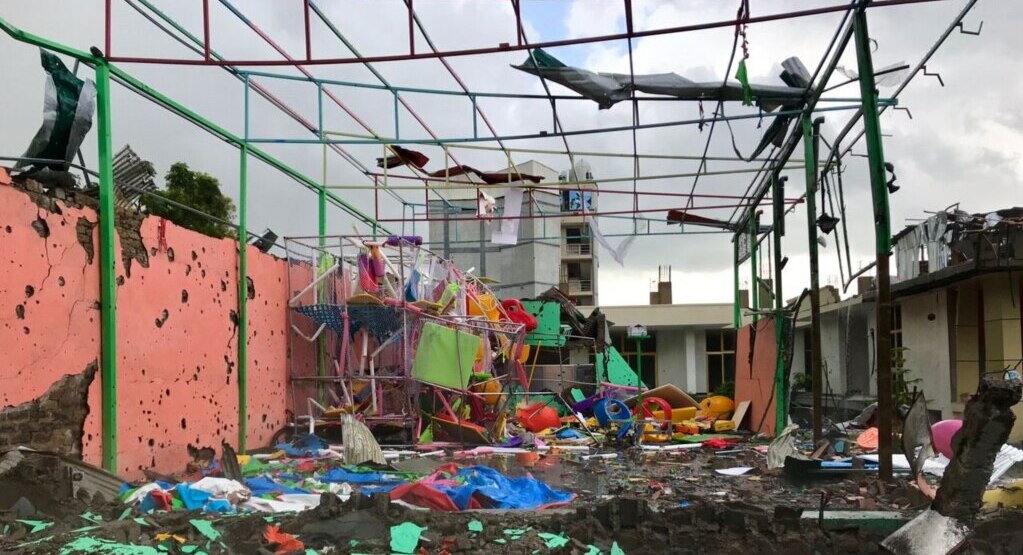
The Tigray war in Ethiopia, which began in November 2020, has finally come to an end with the signing of the Pretoria Peace Agreement on November 2, 2022, and formally ending on November 15, 2022, is a significant step towards peace. The conflict started when the regional government of Tigray sought greater autonomy, prompting a military intervention by the Ethiopian National Defense Force (ENDF) and its allies, including the Eritrean Defence Forces (EDF) and regional militias. This intervention led to thousands of deaths and a humanitarian crisis, with the international community calling for an end to the violence.
The roots of the conflict can be traced back to a dispute between the Ethiopian federal government and the Tigray People’s Liberation Front (TPLF), the ruling party of the Tigray Region, over the region’s autonomy. The TPLF had been seeking greater autonomy for the region, which led to a breakdown in relations with the federal government. The situation escalated in November 2020, when the ENDF and its allies launched a military intervention in the region. The United States, under the leadership of President Biden, has been critical of the violence and has called for a peaceful resolution to the conflict.
The international community has been vocal in its condemnation of the violence and human rights abuses committed during the conflict. The United Nations has reported on the humanitarian crisis in the region, with thousands of people displaced and in need of aid. The European Union has also spoken out against the violence, calling for an end to the conflict and a return to peace. The African Union has played a key role in mediating the conflict, with the Pretoria Peace Agreement being a significant step towards a lasting peace.
The role of external actors in the conflict has been significant, with the Eritrean Defence Forces (EDF) playing a key role in the military intervention. The EDF has been accused of human rights abuses, including the killing of civilians and the destruction of infrastructure. The international community has called for the EDF to withdraw from the region and for the Ethiopian government to take steps to address the humanitarian crisis. China, which has significant economic interests in the region, has been criticized for its lack of action in addressing the conflict.
As the peace agreement is implemented, the international community will be watching closely to see if the parties to the conflict adhere to its terms. The United States, in particular, will be keen to see if the agreement holds and if the region can begin to rebuild. The U.S. State Department has welcomed the peace agreement and has called for the parties to work towards a lasting peace. The situation in Tigray is a complex one, with many challenges ahead, but the signing of the peace agreement is a significant step towards a more peaceful future.
Looking ahead, the key will be to ensure that the peace agreement is implemented and that the humanitarian crisis in the region is addressed. The international community will need to provide significant support to the region, including aid and assistance, to help rebuild and recover. The U.S. government, under the leadership of President Biden, will likely play a key role in this effort, working with international partners to support the people of Tigray. As the situation in Tigray continues to evolve, one thing is clear: the international community will be watching closely to see if peace can be sustained in this troubled region.
The road to peace in Tigray will be long and difficult, but the signing of the Pretoria Peace Agreement is a significant step in the right direction. The international community must continue to support the people of Tigray and work towards a lasting peace. With the conflict finally coming to an end, the focus can now shift to rebuilding and recovering. The U.S. government and the international community will be key players in this effort, and their support will be crucial in ensuring that the peace agreement holds and that the region can begin to heal.