The US space industry is abuzz with the latest development from the Federal Aviation Administration, as the agency has temporarily grounded all SpaceX Falcon 9 launches following a booster rocket fire incident at the Cape Canaveral Space Force Station in Florida. This move, announced on August 28, 2024, marks a significant pause in the operations of one of the most prolific launch vehicles in the world, sparking both concern and curiosity about the future of commercial spaceflight. As the investigation unfolds, the space community waits with bated breath to understand the causes and implications of this incident.
A closer look at the Federal Aviation Administration reveals an agency with a broad mandate, responsible for regulating civil aviation in the United States and its surrounding international waters. With powers that include air traffic control, certification of personnel and aircraft, and setting standards for airports, the FAA is the primary authority ensuring the safety and efficiency of the nation’s airspace. Its jurisdiction extends to the protection of US assets during the launch or re-entry of commercial space vehicles, a critical aspect given the increasing frequency of space launches. The FAA’s history dates back to August 1958, when it was created as the Federal Aviation Agency, replacing the Civil Aeronautics Administration. Over the years, the agency has evolved, and in 1967, it became the Federal Aviation Administration we know today.
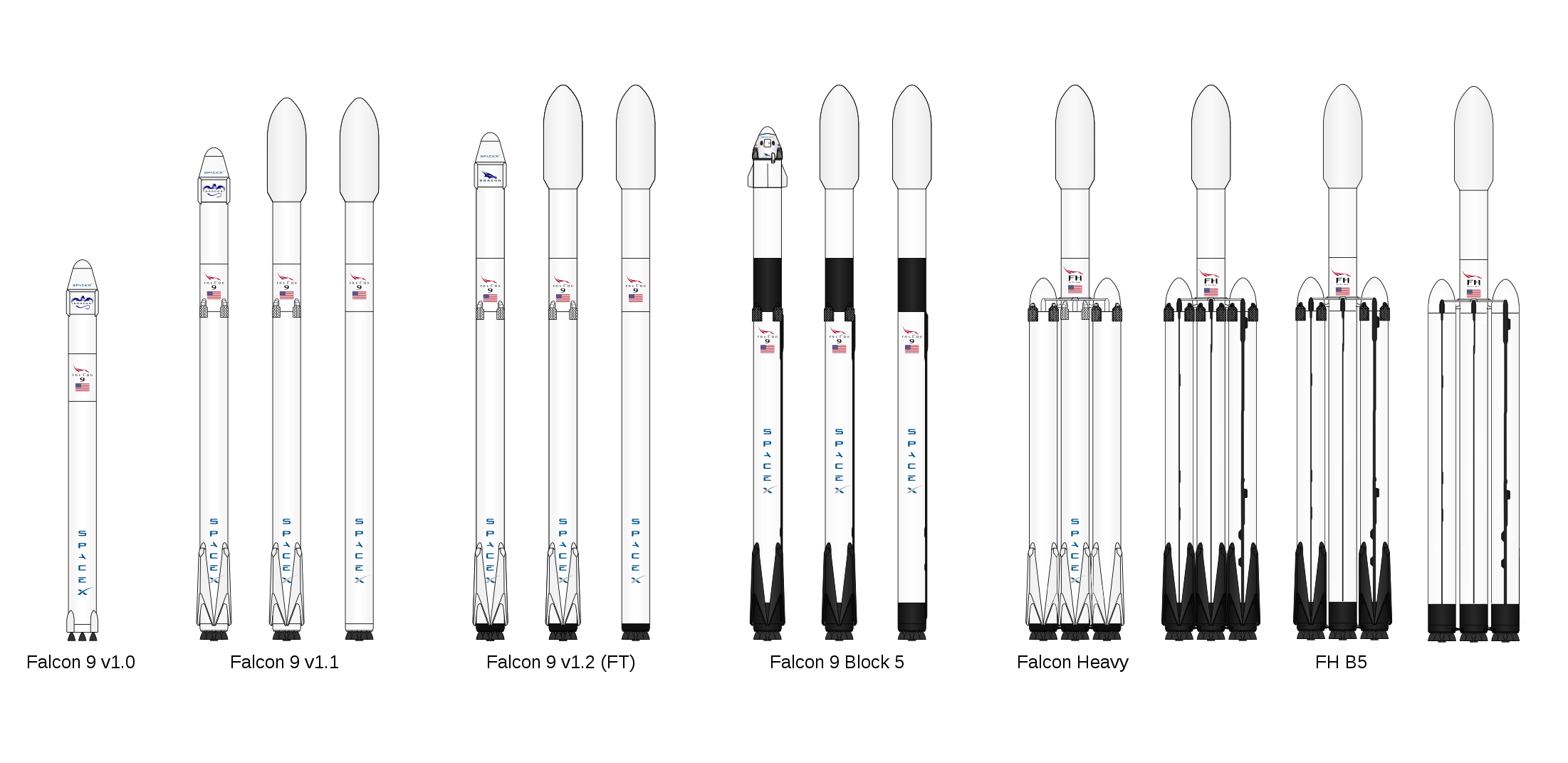
The temporary grounding of the Falcon 9 is a significant development, given the rocket’s impressive track record. With numerous successful launches under its belt, the Falcon 9 has become a workhorse for SpaceX, facilitating a wide range of missions, from satellite deployments to crewed flights to the International Space Station. The incident at Cape Canaveral, however, highlights the inherent risks associated with spaceflight and the need for rigorous safety protocols. As the FAA conducts its investigation, it will be crucial to identify the root causes of the booster rocket fire and implement corrective measures to prevent such incidents in the future. This pause in operations also underscores the importance of collaboration between regulatory bodies, launch providers, and space agencies to ensure that the pursuit of innovation in space technology is balanced with stringent safety standards.
Investigation and Implications
The investigation into the booster rocket fire incident is expected to be thorough, involving a detailed analysis of the launch vehicle’s systems, as well as a review of the pre-launch preparations and the actual launch sequence. The FAA will likely work closely with SpaceX to gather data, inspect hardware, and interview personnel involved in the launch. The findings of this investigation will be critical in determining the next steps for the Falcon 9 program and could have broader implications for the commercial space industry. As the industry continues to evolve, with new players and technologies emerging, the need for robust safety frameworks and regulatory oversight will only grow. The FAA’s actions in response to this incident will be closely watched, as they will set a precedent for how similar situations are handled in the future.
Despite the temporary setback, the future of space exploration and commercial spaceflight remains bright. The grounding of the Falcon 9 is a reminder of the challenges and risks inherent in pushing the boundaries of space technology. However, it also highlights the resilience and determination of the space community. SpaceX, in particular, has been at the forefront of innovation, continuously pushing the envelope with its reusable rockets and ambitious plans for lunar and Mars missions. As the investigation progresses and the Falcon 9 returns to flight, the focus will once again shift to the exciting possibilities that space technology holds, from expanding our understanding of the universe to enabling new forms of space-based commerce and exploration.
Looking ahead, the temporary grounding of the Falcon 9 serves as a poignant reminder of the delicate balance between innovation and safety in the space industry. As we move forward, it will be essential to leverage this incident as an opportunity to reinforce safety protocols, enhance collaboration among stakeholders, and drive further innovation. The future of space exploration is undoubtedly exciting, with numerous missions and projects on the horizon. The FAA’s oversight and the industry’s commitment to safety will be pivotal in ensuring that this future is realized, with the US continuing to be a leader in the global space community. With the investigation underway and the space community eagerly awaiting its findings, one thing is clear: the pursuit of space exploration will continue, fueled by human ingenuity and the relentless drive to push beyond the boundaries of what is possible.