One tiny black dot on a grainy FBI photo may be the most consequential unsolved object in American government files right now.
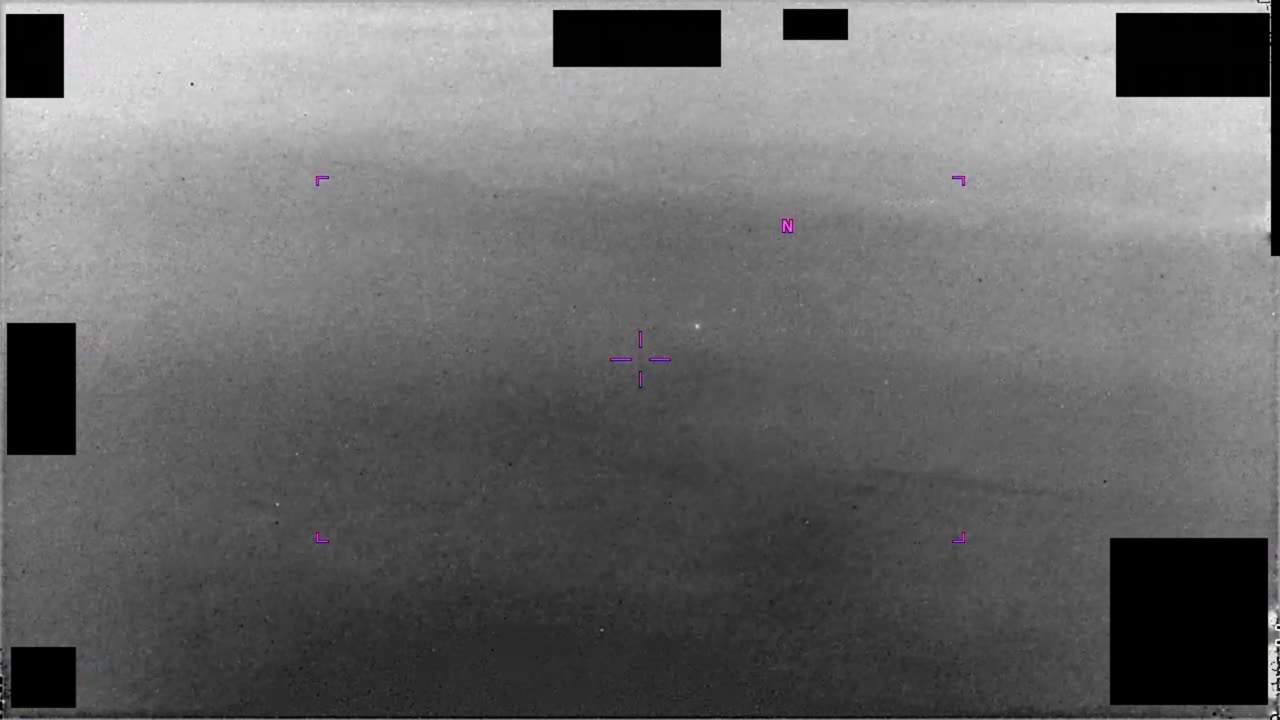
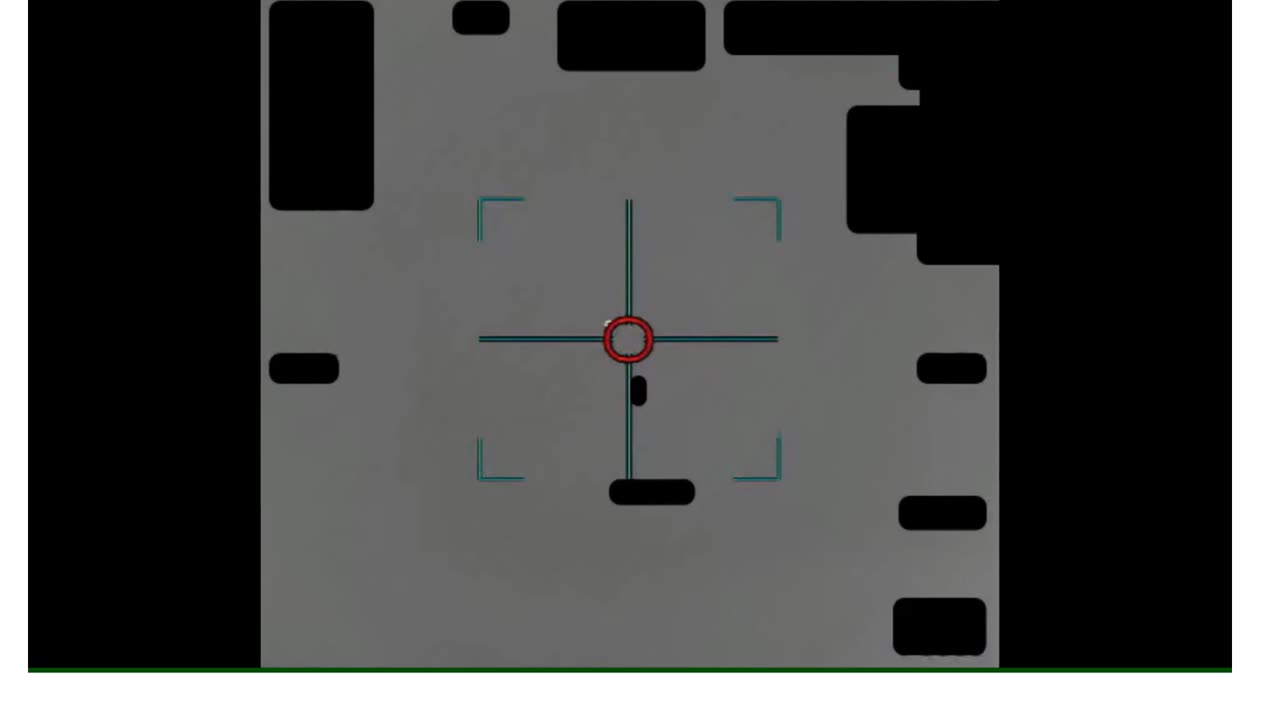
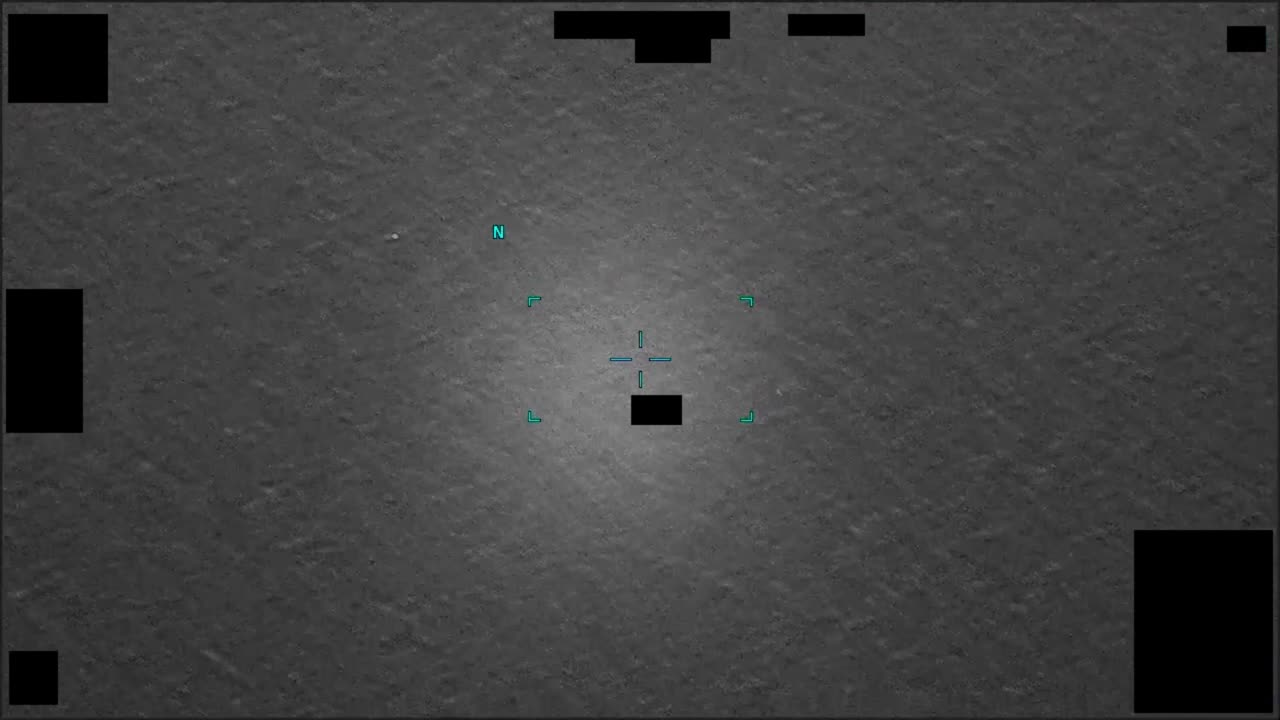
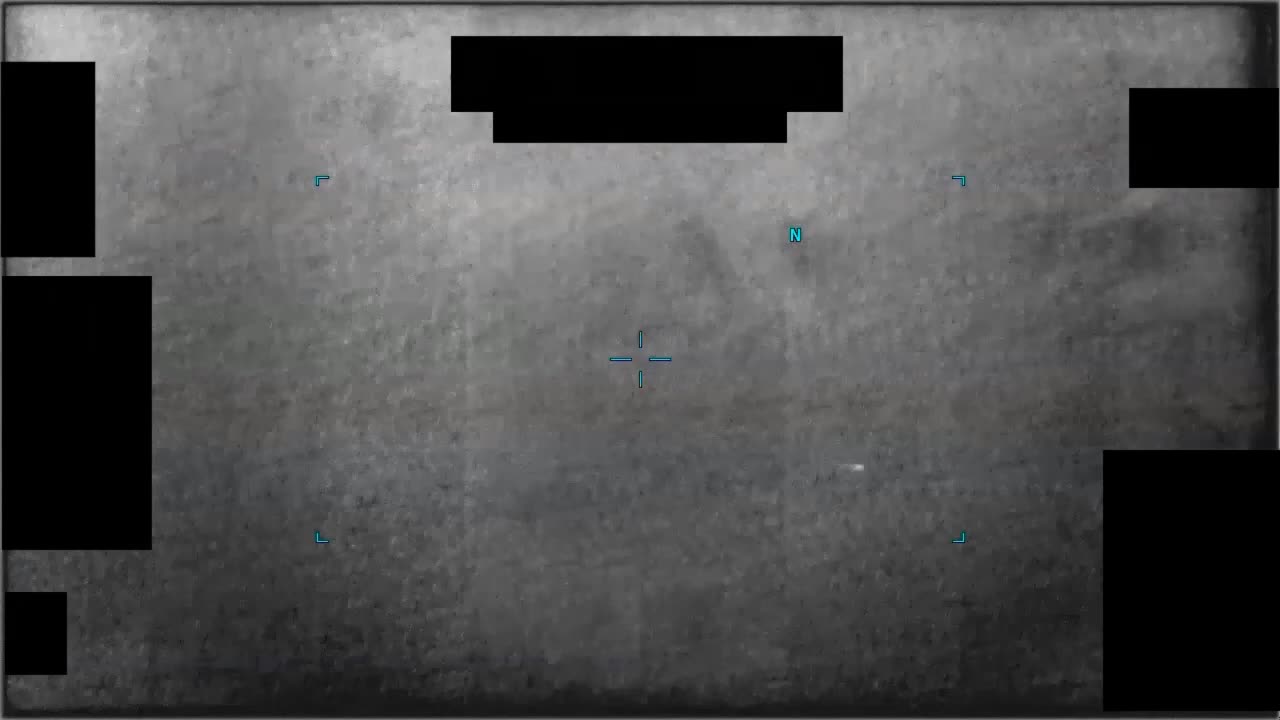
The image, labeled “FBI Photo A5,” shows a monochrome field of dense speckles. A crosshair reticle sits at its center. And in the bottom quadrant, right of that reticle, is a dark circle. That is it. No bright lights. No flying saucer shape. No blurry streak of motion. Just a dark spot on a speckled background, captured by a U.S. government system.
The FBI document describes the object as an unidentified anomalous phenomenon — a UAP. The operator who saw it could not say what it was. They could not positively identify it.
That inability to identify is the whole point of the file’s existence.
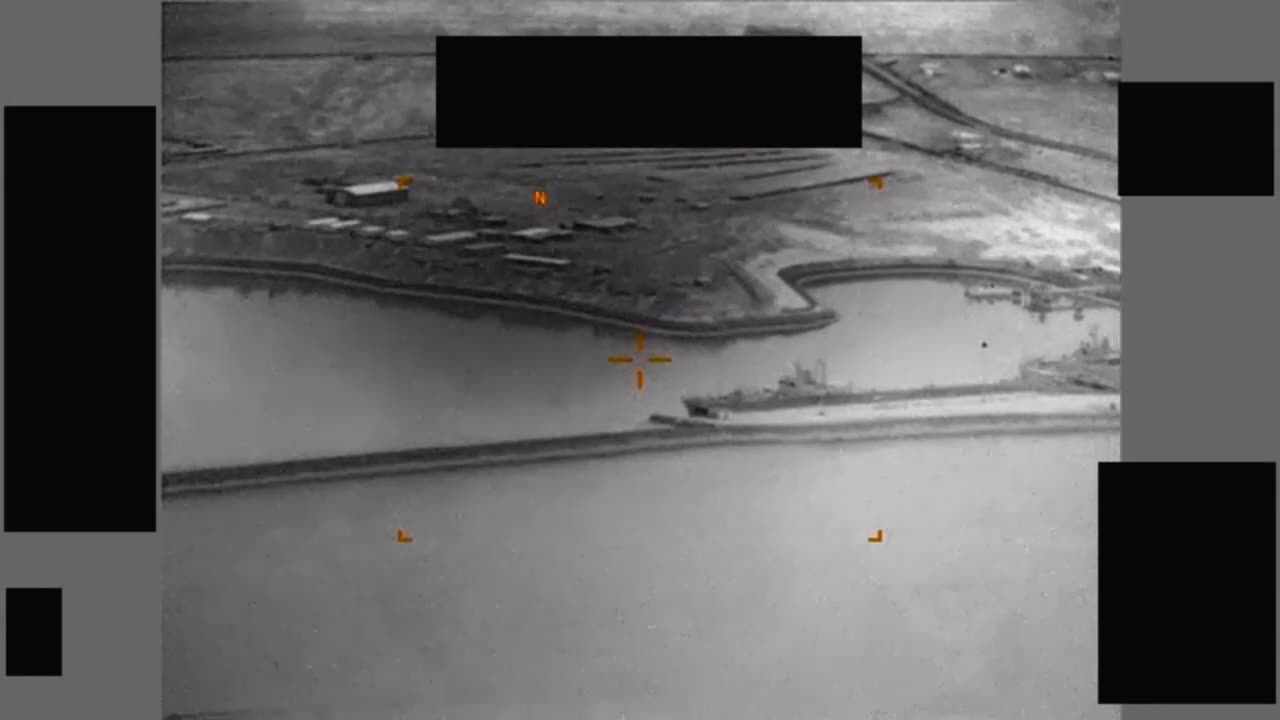
What makes this release unusual is not the image itself. It is what the image lacks. The FBI document’s official description states the original imagery was altered with redactions before being submitted to the All-domain Anomaly Resolution Office, or AARO. Someone cut parts out. The accompanying mission report — the written account of what happened, where, when and by whom — was not provided at all.
So the public gets a cropped still from a classified system, with no context beyond the fact that it was taken on some undisclosed date at some undisclosed location.
The document is part of a broader declassification push. The administration of Donald Trump began releasing U.S. government UFO files on May 8, 2026. Wikipedia’s entry on the United States UFO files describes these as repeated, ongoing, expanding releases of UFO materials. More are expected. The goal, per that entry, is transparency around UAP sightings and investigations.
But “FBI Photo A5” raises a hard question about that transparency. How much can the public actually learn from an image that was redacted before it was shared, with its mission report withheld?
The FBI document itself carries a disclaimer. It says the narrative description provided is for informational purposes only. It warns readers not to interpret any part of the description as reflecting an analytical judgment, investigative conclusion or factual determination about the event’s validity, nature or significance.
That is a government agency telling the public, in effect: we are giving you this, but do not assume it means anything.
Yet the file exists. It was kept. It was classified. It was released under a formal process called PURSUE. Someone inside the U.S. government saw something on a screen, could not identify it, and that incident was recorded, filed, and eventually declassified. That is the fact. The dark dot is the evidence that something happened. What that something was — no one is saying.
For readers following the UAP story, this is the pattern. A single still image. A crosshair. A black circle. Redactions. No report. A disclaimer. The government releases a document that proves an event occurred but refuses to say what the event was.
The operator could not identify the UAP. The FBI could not identify it. AARO could not identify it. And now the public is left staring at a speckled photograph, trying to make sense of a dark circle that someone, somewhere, once thought worth keeping secret.