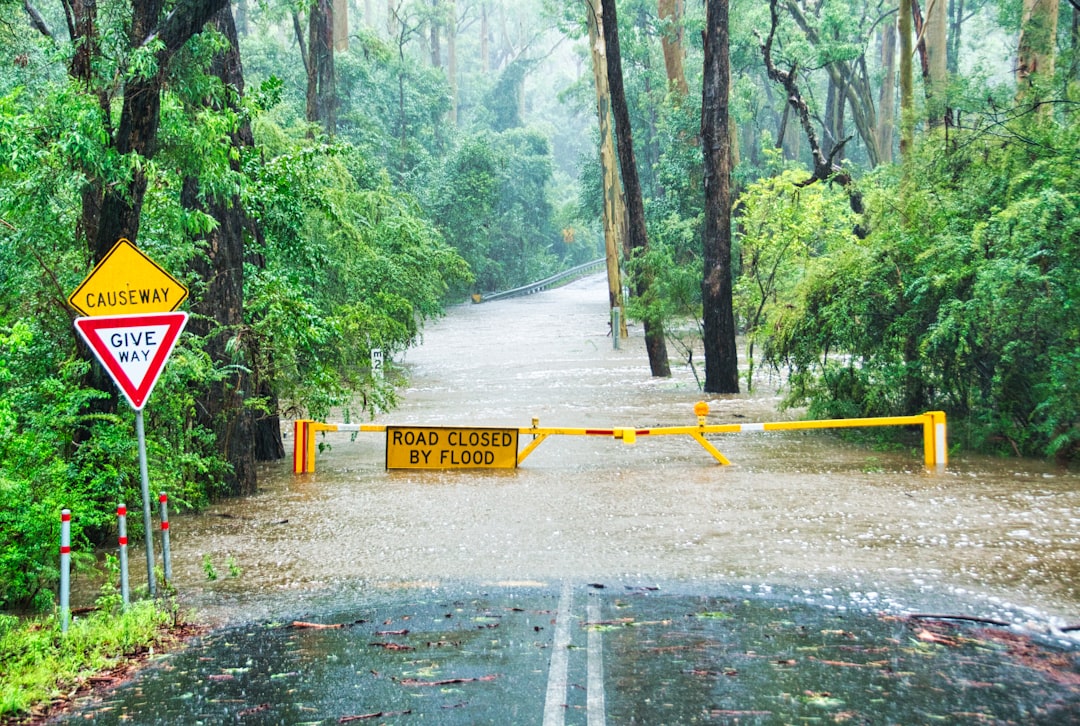
Montmorillon’s bookshops are under water. The “City of Writing,” a sub-prefecture in the Vienne department of central-western France, took heavy rains on March 31, 2024. The floodwaters did not discriminate. They hit homes. They hit streets. And they hit the very places that gave this town its cultural identity: the writing-inspired museums and the bookstores that showcase every genre imaginable.
For the Montmorillonnaises and Montmorillonnais, the immediate concern is survival. Water is inside houses. It is inside businesses. The local economy, already fragile in a small town, has taken a direct blow. A bookshop with soaked inventory is not just a loss of property. It is a loss of a gathering place. It is a loss of tourist draw. Montmorillon is not Paris. It does not have a dozen backup attractions. It has its literary heritage, its museums, its shelves of paper and ink. Water ruins paper. It ruins ink.
This is not the first time the Vienne department has seen this. Past flooding events have hit the region. But each time, the damage compounds. The town’s geography makes it prone. Central-western France, with its river systems and low-lying areas, funnels water straight into places like Montmorillon. The rains on March 31 were heavy. The ground was already wet. There was nowhere for the water to go except into the streets, into the shops, into the homes.
The aftermath is where the real story sits. Residents are coming together. That is happening now. Neighbors helping neighbors. Shop owners pumping out basements. But the assessment of damage will take days, maybe weeks. Insurance adjusters will come. Claims will be filed. Some businesses may not reopen. Some families may have to move. The town’s status as a sub-prefecture means it has some administrative weight, but that does not translate into instant cash for recovery.
There is a larger pattern here. Flooding in places like Montmorillon is a symptom. The environment is changing. Heavy rains come harder and faster than they used to. The report on this event pointed to a clean planet and renewable energy as part of the answer. Solar power. Wind power. Reducing reliance on fossil fuels. Those are not abstract ideas in a town that is drying out its bookshops. They are practical steps. Energy security and cost savings follow. But the immediate priority is the water still standing in the streets.
Montmorillon’s rich literary history is not just a tourist tagline. It is a source of resilience. The town’s inhabitants can draw on that. The museums that celebrate the art of writing, the bookstores that have stood for years — those represent human creativity. Creativity solves problems. It adapts. The people of Montmorillon will need that creativity now. Not just to rebuild, but to think about what comes next. How do you protect a town built on paper from water? How do you keep the “City of Writing” from washing away?
No easy answers. The flood hit on a Sunday. The recovery starts Monday. The Montmorillonnaises and Montmorillonnais will assess the damage. They will support each other. They will face the reality that their town, beautiful and unique as it is, sits in a floodplain. And the rains are not stopping.