
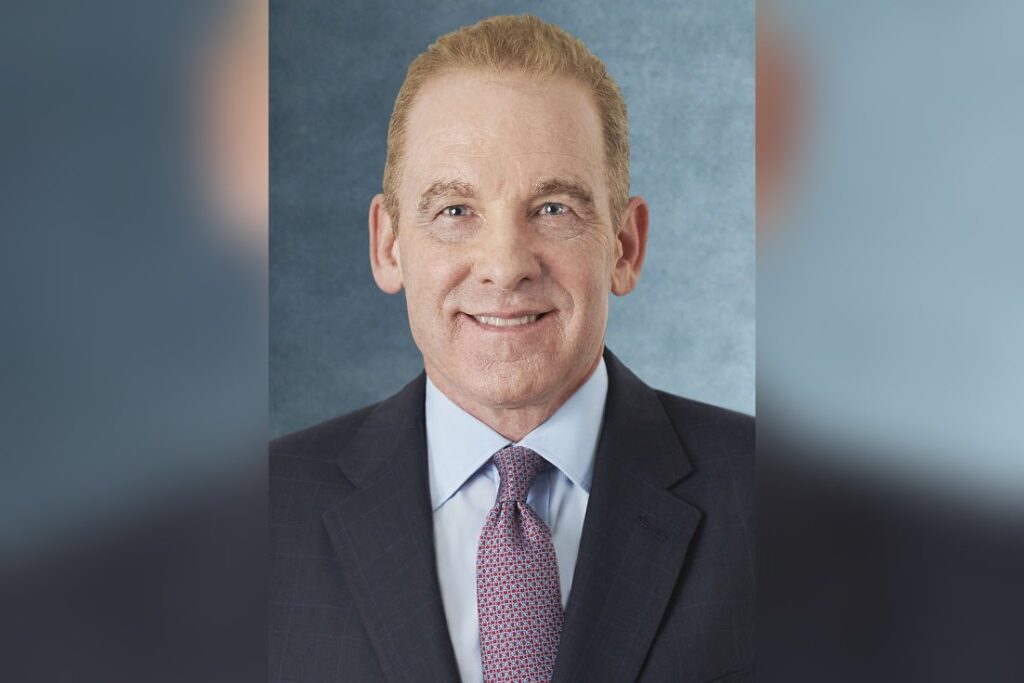
Dual Representation Raises Questions of Influence
Giuffra’s role as co-chair of his firm gives him access to resources and relationships that few defense attorneys can command. The Adani matter now tests whether those connections can translate into a resolution that satisfies both federal regulators and a client with serious legal exposure. His decision to personally represent President Trump while simultaneously counseling Adani places him at a unique nexus of corporate crisis management and the highest levels of American political power. Observers are closely watching whether the overlapping obligations could affect how federal agencies evaluate the proposal.
The proposal itself is notable for its size and timing. While $10 billion settlements or investments are not unprecedented in cross-border corporate crises—companies sometimes offer large sums to preempt enforcement actions or restore market confidence—the involvement of a lawyer with direct ties to an American president introduces a variable that goes beyond typical regulatory negotiations. The critical question now is whether the DOJ or SEC will engage with the proposal on its merits, independent of Giuffra’s political connections.
The Adani Group: Decades of Expansion and Scrutiny
The Adani Group traces its origins to 1988, when Gautam Adani founded a commodities trading business in Ahmedabad, India. Over three decades, the conglomerate expanded from basic imports and exports into ports, power, logistics, and renewable energy, becoming one of India’s largest private conglomerates. Its growth accelerated after India’s economic liberalization in the 1990s, when industrial groups gained greater access to foreign investment and infrastructure contracts. The company’s expansion has often relied on long-term concessions, public-private partnerships, and international financing, which have periodically drawn regulatory and activist scrutiny.
Today, the Adani Group’s reach spans six continents, with interests in coal, solar power, food processing, and airport operations. It remains a family-owned enterprise centered on Gautam Adani, who serves as chairman and holds a controlling stake through a complex shareholding structure. The group’s corporate governance has faced criticism over debt levels, related-party transactions, and environmental impact assessments tied to port and power projects. In early 2023, the conglomerate became the focus of a short-selling report by U.S.-based Hindenburg Research, which alleged accounting irregularities and stock manipulation. The report triggered a sharp decline in Adani’s listed companies and prompted investigations by Indian market regulators. The legal and financial fallout continues, with ongoing probes into disclosure practices and share-price movements.
Against this backdrop, the $10 billion proposal submitted by Adani’s U.S. legal team via Giuffra represents an attempt to address regulatory concerns through a major financial commitment. The proposal lands at a moment when the Adani Group is seeking to stabilize its reputation and navigate ongoing investigations in India and abroad.
The Path Forward for Federal Agencies
For now, the next move belongs to the federal agencies holding the other end of the proposal. Whether the Department of Justice or the Securities and Exchange Commission chooses to engage with the $10 billion offer will depend on its merits and the legal posture of the underlying matters under review. Giuffra’s position as President Trump’s personal lawyer adds an unavoidable layer of political calculation, but the agencies are expected to evaluate the proposal based on regulatory standards rather than personal connections.
The outcome of this case could influence how multinational conglomerates resolve disputes with U.S. regulators in the future and how high-profile attorneys navigate overlapping professional obligations. As the Adani Group continues to face scrutiny on multiple fronts, the $10 billion proposal stands as a significant test of whether private legal strategy can intersect with public enforcement in ways that satisfy all parties involved.
{“@context”: “https://schema.org”, “@type”: “NewsArticle”, “headline”: “Giuffra’s dual roles spark scrutiny over potential influence in Adani-Trump case”, “description”: “Dual Representation Raises Questions of Influence Giuffra’s role as co-chair of his firm gives him access to resources and relationships that few defense attorneys can…”, “datePublished”: “2026-07-16T09:30:00+00:00”, “author”: {“@type”: “Person”, “name”: “Reza Karimi”}, “publisher”: {“@type”: “Organization”, “name”: “InfoPulse Today”, “url”: “https://newsfeed.2bme.xyz/”}}




