The search for twelve missing crew members of the sunken cargo ship “Raptor” continued off the Greek island of Lesbos on Monday, with little hope of finding survivors. The vessel went down on November 26, 2023, with fourteen people aboard. The Greek coast guard pulled one man from the water alive. They recovered the body of another. Twelve remain unaccounted for.
That single rescue is the only bright spot in an otherwise grim maritime tragedy. It is also the fact that demands examination. How does one person survive a sinking that kills or swallows thirteen others? The report gives no answer. It offers no name, no age, no nationality for the survivor. Just one fact: he was rescued. That is all we know.
Coast guard crews work in conditions the public rarely sees. They respond to distress calls in darkness, in heavy seas, often without full information. On November 26, they got the call and they moved. They arrived at the scene of a ship that was already gone. They found a man in the water. They got him aboard. Then they found a body. The rest of the crew — twelve people — had vanished into the Aegean Sea.
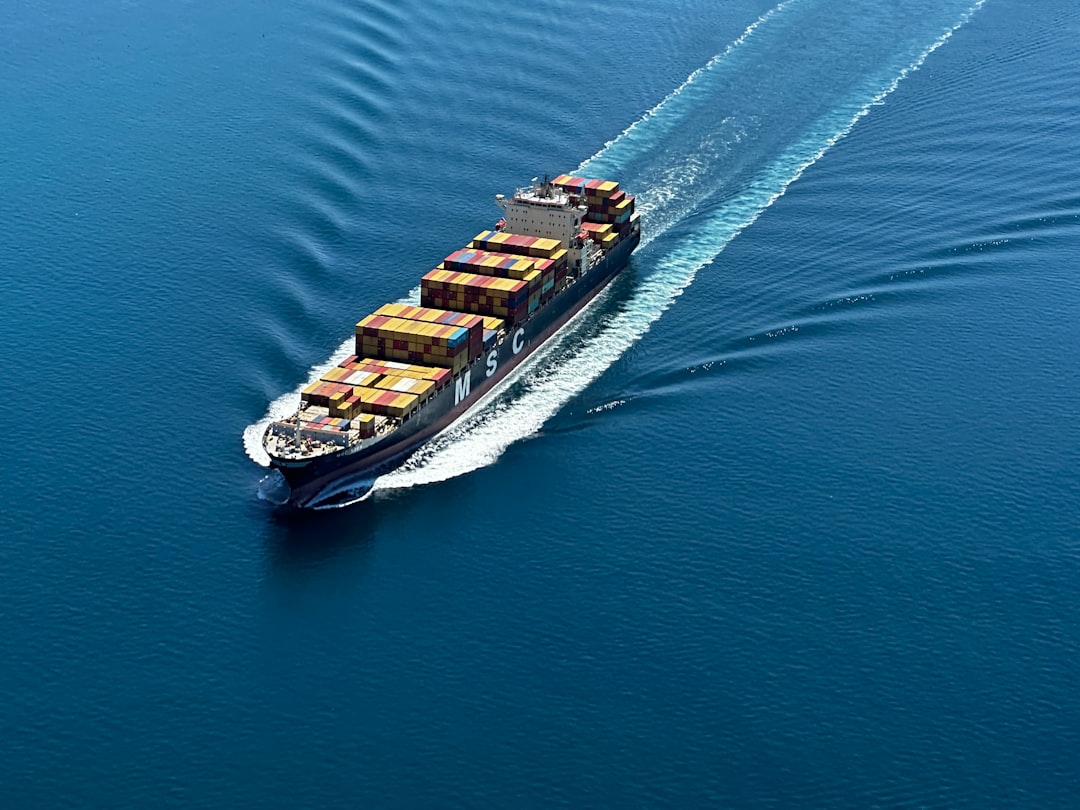
The “Raptor” was a cargo ship. Cargo ships are the workhorses of global trade. They carry containers, bulk goods, liquids. They cross oceans on tight schedules. Their crews work long shifts far from shore. When something goes wrong, it goes wrong fast. A cargo ship can sink in minutes. There is often no time to launch lifeboats. There is often no time to send a mayday.
The Greek coast guard’s response was swift. That swiftness saved one life. It did not save the other thirteen. The gap between one rescue and thirteen losses is not a failure of the coast guard. It is a measure of the violence of the event. A ship sinking in open water does not give its crew a fair fight.
The missing twelve are still classified as missing. That is a legal and operational term. In practical terms, the chances of finding anyone alive three days after a ship goes down in November in the Aegean are close to zero. Water temperatures at this time of year are cold. Exposure kills quickly. The search continues, but it is a recovery operation now.
The incident off Lesbos is not an anomaly. Maritime disasters happen with grim regularity. The International Maritime Organization tracks them. The industry studies them. New safety rules get written. Old ships get retrofitted. But the sea is indifferent to regulation. A cargo ship is a steel box full of freight, floating on a surface that can turn violent without warning. The men and women who crew these vessels accept that risk. They have no choice. The global economy depends on them accepting it.
One man is alive today because the Greek coast guard did its job. Twelve families are waiting for news that will not come. The body of one crew member has been recovered, giving that family at least the closure of a funeral. The other twelve remain in the water. The “Raptor” is on the bottom. The search goes on, but the outcome is already clear.